Picture this: You're sipping a creamy cappuccino at a tiny Roman café, the morning sun is lighting up centuries-old buildings, and somewhere nearby, church bells are ringing. Welcome to Rome, where every cobblestone street has a story and every meal feels like a celebration!
But here's the big question: How do you experience the best of Rome in just 72 hours?
With ancient ruins, magnificent art, lively piazzas, and some of the world's most irresistible pasta, Italy's Eternal City can feel overwhelming. The secret? A smart itinerary that combines legendary landmarks with authentic neighborhood experiences.
Whether you're visiting Rome for the first time, planning a romantic getaway, or squeezing a long weekend into your European adventure, this three-day Rome itinerary will help you make every moment count.
Ready to toss a coin into the Trevi Fountain, explore the Colosseum, and discover where Romans actually eat? Let's go!
Day 1: Ancient Rome, Iconic Landmarks, and Roman Flavors
Your first day is all about stepping into Rome's extraordinary past. From gladiator arenas to spectacular panoramic viewpoints, prepare for a day filled with unforgettable sights.
8:00 AM – Start Your Morning Like a Roman
Before diving into sightseeing, fuel up the Italian way.
Find a neighborhood café, order a cappuccino and cornetto, and enjoy breakfast standing at the counter alongside locals.
A typical Italian breakfast is simple, delicious, and surprisingly affordable. In many neighborhood cafés, a coffee and pastry can cost around €3–€5, although prices vary by location.
Travel Tip: Coffee is often cheaper when enjoyed standing at the bar rather than sitting at a table. Also, while there's no law against ordering cappuccino after breakfast, Romans typically switch to espresso later in the day.
9:00 AM – Explore the Legendary Colosseum
No trip to Rome is complete without visiting the Colosseum, one of the world's most recognizable ancient monuments.
Built in the first century AD, this enormous amphitheater once hosted gladiatorial contests and public spectacles watched by thousands of spectators.
Today, walking through its ancient corridors offers a fascinating glimpse into life during the Roman Empire.
For an extra-special experience, consider booking a ticket that includes access to the arena floor or underground areas, where available.
Travel Tip: Book Colosseum tickets through the official ticketing system as soon as your preferred booking window opens. Entry is timed, popular slots sell out, and special-access tickets may have different availability rules. Bring identification matching your reservation.
11:00 AM – Wander Through the Roman Forum and Palatine Hill
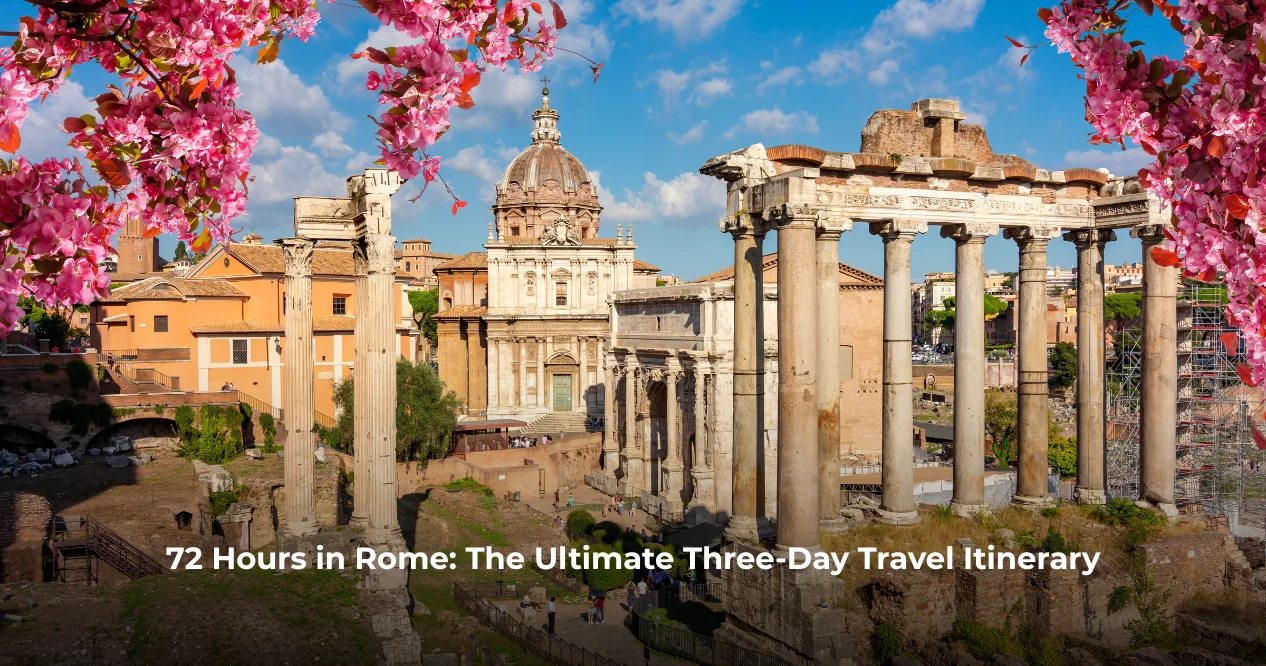
Just steps from the Colosseum lies the Roman Forum, once the bustling political, commercial, and religious heart of ancient Rome.
Walk among ruined temples, triumphal arches, and ancient streets where emperors and senators once gathered.
Then climb Palatine Hill, one of Rome's legendary seven hills.
According to Roman tradition, this is where Romulus founded the city in 753 BC.
Beyond its fascinating history, Palatine Hill offers wonderful views over the Forum and surrounding ruins.
Travel Tip: Wear comfortable shoes with good grip. Ancient stone pathways can be uneven and slippery, especially after rain. Carry refillable water and use Rome's public drinking fountains, known as nasoni.
1:30 PM – Enjoy Your First Authentic Roman Lunch
After a morning of exploring ancient history, you've earned a proper Italian lunch.
Head toward the Monti neighborhood, a charming district filled with independent boutiques, intimate restaurants, and atmospheric streets.
Order one of Rome's signature pasta dishes:
- Carbonara: Pasta with eggs, Pecorino Romano, guanciale, and black pepper.
- Cacio e Pepe: A beautifully simple combination of pasta, Pecorino Romano, and black pepper.
- Amatriciana: Pasta with tomato, guanciale, and Pecorino Romano.
- Gricia: A classic Roman pasta featuring guanciale, Pecorino Romano, and black pepper.
For a traditional Roman experience, choose a small trattoria slightly away from the busiest tourist routes.
Travel Tip: Check restaurant menus before sitting down. A coperto or cover charge may apply where permitted and disclosed. Tipping is appreciated for excellent service but isn't generally expected at American-style percentages.
3:30 PM – Discover Piazza Venezia and Capitoline Hill
Continue toward Piazza Venezia, where the grand white marble Victor Emmanuel II Monument dominates the skyline.
Nearby, climb the elegant staircase leading to Capitoline Hill, redesigned by Michelangelo.
Here, you'll find the Capitoline Museums, home to remarkable ancient Roman sculptures and artworks.
Even if you don't enter the museums, don't miss the viewpoint behind the square overlooking the Roman Forum.
It's one of the city's most rewarding photo spots.
6:30 PM – Experience Rome's Golden-Hour Magic
As the afternoon light softens, make your way toward the historic center.
Wander through atmospheric streets, admire the warm glow on Renaissance buildings, and stop for an aperitivo.
Order a refreshing Aperol Spritz or a glass of Italian wine and enjoy the lively evening atmosphere.
Finish your first day with dinner in Monti or around the historic center.
Travel Tip: Romans often eat dinner later than visitors expect. Many restaurants become livelier after 8:00 PM, especially during warmer months.
Day 2: Vatican Treasures, Beautiful Piazzas, and Hidden Gems
Day two takes you from some of the world's greatest artistic masterpieces to Rome's most enchanting streets and squares.
Keep your camera handy. Today is full of postcard-worthy moments!
8:00 AM – Discover Vatican City
Start early and head to Vatican City, the world's smallest independent state and the spiritual center of the Roman Catholic Church.
Your main destination is the magnificent Vatican Museums.
Inside, you'll discover extraordinary collections of classical sculptures, Renaissance paintings, tapestries, and historical treasures.
The highlight for many visitors is the breathtaking Sistine Chapel, famous for Michelangelo's spectacular ceiling frescoes and The Last Judgment.
Allow approximately three hours for a reasonably paced museum visit, although art enthusiasts could easily spend longer.
Travel Tip: Reserve Vatican Museums tickets in advance through the official website. The museums are generally closed on Sundays, except for designated openings, so check the calendar before finalizing your itinerary. Photography is prohibited inside the Sistine Chapel.
11:30 AM – Visit St. Peter's Basilica
Next, explore St. Peter's Basilica, one of Christianity's most significant churches.
Marvel at its enormous dome, elaborate interiors, and Michelangelo's famous sculpture, the Pietà.
If you're feeling energetic, climb to the dome for extraordinary panoramic views of St. Peter's Square and the rooftops of Rome.
You'll be rewarded with one of the city's most memorable perspectives.
Travel Tip: Entry to the basilica is generally free, but security queues can be lengthy and dome access costs extra. Dress modestly: shoulders and knees should be covered. Religious events may affect opening hours and access.
1:30 PM – Explore the Prati Neighborhood
For lunch, escape the busiest Vatican-area restaurants and explore nearby Prati.
This elegant neighborhood is known for its broad streets, boutiques, bakeries, and excellent places to eat.
Try a slice of pizza al taglio, Rome's famous pizza sold by weight, or enjoy a relaxed lunch at a neighborhood trattoria.
Save room for gelato!
Travel Tip: Look for gelaterias that keep their gelato in covered metal containers or display naturally colored flavors. Brightly colored mountains of gelato aren't necessarily a sign of better quality.
3:00 PM – Walk Across Ponte Sant'Angelo
After lunch, head toward Castel Sant'Angelo, originally built as Emperor Hadrian's mausoleum.
Cross the beautiful Ponte Sant'Angelo, decorated with angel sculptures.
The bridge offers lovely views of the Tiber River and the castle.
If time allows, explore the castle's museum and terraces for another wonderful perspective over Rome.
4:30 PM – Discover the Pantheon and Piazza Navona
Continue into Rome's historic center, where ancient history and everyday city life blend seamlessly.
First stop: the extraordinary Pantheon.
Built in its present form during the second century AD, this remarkably preserved ancient Roman monument is famous for its enormous concrete dome and circular opening, called the oculus.
Stand beneath the dome and watch natural light illuminate the interior.
It's an architectural experience you won't forget.
Next, stroll to Piazza Navona, one of Rome's most beautiful public squares.
Admire Bernini's magnificent Fountain of the Four Rivers, watch street performers, and soak up the atmosphere.
Travel Tip: The Pantheon requires paid admission for most visitors. Check current ticketing arrangements and opening hours before visiting, as religious services can affect access.
6:00 PM – Toss a Coin Into the Trevi Fountain
Now for one of Rome's most iconic experiences!
Make your way to the spectacular Trevi Fountain, a Baroque masterpiece featuring dramatic sculptures and cascading water.
According to tradition, tossing a coin over your shoulder into the fountain means you'll return to Rome someday.
Whether you believe the legend or simply love the spectacle, it's a classic Roman moment.
Travel Tip: The Trevi Fountain can be extremely crowded. Early morning usually offers a calmer experience. Visitor-access arrangements and any applicable fees can change, so verify the current rules before your trip. Never enter the fountain or climb onto its sculptures.
7:00 PM – Visit the Spanish Steps
Finish your sightseeing at the elegant Spanish Steps, connecting Piazza di Spagna with the church of Trinità dei Monti.
Explore the surrounding streets, admire designer boutiques, and enjoy the evening atmosphere.
For an elevated viewpoint, walk up toward the church and take in the rooftops of central Rome.
Travel Tip: Sitting on the Spanish Steps is prohibited and can result in fines. Enjoy the architecture and views while keeping the staircase clear.
Day 3: Trastevere, Local Markets, and Rome's Secret Corners
You've experienced ancient wonders and world-famous landmarks. Now it's time to discover Rome's more relaxed, neighborhood-focused side.
Today's itinerary is about local flavors, hidden viewpoints, and beautiful streets that reward curious travelers.
8:30 AM – Explore Campo de' Fiori
Start your morning at Campo de' Fiori, a lively square in Rome's historic center.
On market mornings, stalls offer produce, spices, flowers, and food souvenirs.
Although the market attracts plenty of tourists, it's still an enjoyable place to experience the city's morning energy.
Grab a pastry, browse the stalls, and wander through the surrounding streets.
Travel Tip: The market typically operates Monday through Saturday mornings, excluding certain holidays. Go earlier for a better selection and a less crowded experience.
10:00 AM – Cross Into Charming Trastevere
Cross the Tiber River and enter Trastevere, one of Rome's most atmospheric neighborhoods.
With narrow cobblestone lanes, ivy-covered buildings, colorful shutters, and charming piazzas, Trastevere feels wonderfully different from the monumental city center.
Visit the beautiful Basilica of Santa Maria in Trastevere, celebrated for its stunning mosaics.
Then spend some time wandering without a strict route.
Discover tiny courtyards, independent shops, and peaceful corners just a few streets away from the busiest restaurants.
It's the perfect neighborhood for slowing down and enjoying Rome at your own pace.
12:30 PM – Enjoy a Traditional Roman Food Experience
Trastevere is a fantastic place to sample more of Rome's culinary specialties.
For lunch, consider trying:
- Supplì: Crispy fried rice croquettes, traditionally filled with tomato-seasoned rice and melted mozzarella.
- Carciofi alla Romana: Artichokes slowly cooked with herbs, garlic, and olive oil.
- Saltimbocca alla Romana: Veal topped with prosciutto and sage.
- Pizza Romana: Thin, crisp Roman-style pizza, often enjoyed as an evening meal.
If you're visiting during artichoke season, usually winter through spring, don't miss the opportunity to sample this Roman favorite.
Travel Tip: Popular Trastevere restaurants can attract long queues. Reserve ahead for well-known establishments or explore quieter side streets for less crowded alternatives.
2:30 PM – Discover the Aventine Keyhole
Ready for one of Rome's most delightful hidden gems?
Head to Aventine Hill, a peaceful residential area overlooking the city.
Here, you'll find the famous Aventine Keyhole at the gate of the Priory of the Knights of Malta.
Peek through the keyhole and you'll discover a beautifully framed view of St. Peter's Basilica in the distance.
It's a tiny detail that creates an unexpectedly magical experience.
Nearby, visit the Orange Garden, officially known as Giardino degli Aranci.
This peaceful park offers sweeping views over the Tiber River and Rome's skyline.
Travel Tip: The Aventine Keyhole is popular despite its hidden-gem reputation. You may encounter a queue. The Orange Garden is free to visit and particularly beautiful in the late afternoon.
4:00 PM – Explore Testaccio, Rome's Food-Loving Neighborhood
For an authentic slice of local life, continue to Testaccio, a neighborhood with deep connections to Roman food culture.
Historically associated with the city's former slaughterhouse district, Testaccio has become a favorite destination for travelers interested in traditional Roman cooking.
Explore its streets, admire the unusual Monte Testaccio mound formed from ancient pottery fragments, and discover neighborhood food shops.
If you arrive before closing time, visit Mercato Testaccio, a covered market where vendors sell fresh ingredients, sandwiches, and regional specialties.
Travel Tip: Mercato Testaccio generally operates during daytime hours from Monday to Saturday, with many stalls closing by mid-afternoon. Visit earlier if the market is a priority; otherwise, enjoy the neighborhood's restaurants and cafés.
6:30 PM – Watch the Sunset From Gianicolo Hill
For your final evening, return toward Trastevere and make your way up to Gianicolo Hill, also known as Janiculum Hill.
Although it isn't one of Rome's traditional seven hills, it's one of the city's finest panoramic viewpoints.
From the terrace near Piazzale Giuseppe Garibaldi, admire a sea of terracotta rooftops, church domes, and historic landmarks stretching across the skyline.
As the sun begins to set, the city transforms into a glowing masterpiece.
It's an unforgettable way to celebrate your final evening in Rome.
Travel Tip: Sunset times vary significantly throughout the year. Check the local sunset time and arrive approximately 30 minutes early to enjoy the changing light. The climb from Trastevere is steep, so consider public transport or a taxi if needed.
8:00 PM – Celebrate With One Last Roman Dinner
End your 72-hour adventure with a memorable dinner.
Choose a cozy trattoria in Trastevere or Testaccio, order your favorite Roman pasta, and raise a glass of Italian wine.
For dessert, enjoy classic tiramisu or one final scoop of gelato.
And don't rush.
Rome is at its best when you give yourself permission to linger.
Essential Travel Tips for Spending 72 Hours in Rome
Three days in Rome can be incredibly rewarding, but a little planning makes a big difference. Here's how to enjoy the Eternal City without wasting precious time.
When Is the Best Time to Visit Rome?
April to June and September to October are popular periods for visiting Rome thanks to generally pleasant weather and excellent walking conditions.
However, these months can also bring substantial crowds and higher accommodation prices.
July and August are often extremely hot, with daytime temperatures regularly exceeding 30°C.
Winter offers a quieter atmosphere, although shorter daylight hours and occasional rain require some flexibility.
Travel Tip: For a balance of comfortable sightseeing and fewer visitors, consider late November, February, or early March, avoiding major holidays and special events.
How to Get Around Rome Efficiently
Rome's historic center is surprisingly walkable, and exploring on foot is one of the best ways to discover its hidden treasures.
However, you'll cover considerable distances during this itinerary.
Use the city's metro, buses, and trams when practical, especially for longer journeys between neighborhoods.
Public transport is operated through Rome's integrated urban network, with tickets available through approved ticket machines, retailers, and supported digital payment systems.
Travel Tip: Check current fare options before purchasing tickets. Rome offers different ticket types, including time-based and multi-day options. Contactless payment is available on supported services, but each traveler needs a valid ticket or payment method.
Where Should You Stay for a Three-Day Rome Trip?
Your accommodation location can make a significant difference when time is limited.
For first-time visitors, consider staying in one of these neighborhoods:
- Centro Storico: Excellent for walking to the Pantheon, Piazza Navona, and Trevi Fountain.
- Monti: Ideal for boutique hotels, restaurants, and convenient access to the Colosseum.
- Trastevere: Perfect for atmospheric evenings, lively restaurants, and neighborhood charm.
- Prati: A good choice for travelers prioritizing Vatican attractions and quieter residential streets.
- Termini Area: Convenient for airport connections, trains, and budget-friendly accommodation options.
Travel Tip: For a short city break, prioritize location over hotel extras. Staying within walking distance of several major attractions can save valuable sightseeing time.
How Much Money Do You Need for 72 Hours in Rome?
Rome can suit a variety of travel budgets, depending on accommodation, dining preferences, and sightseeing choices.
As a rough planning guide, consider the following approximate daily costs per person:
- Budget travel: €70–€110, including a hostel bed, inexpensive meals, and basic transport.
- Mid-range travel: €140–€230, including a share of a double hotel room, restaurant meals, and selected attractions.
- Comfort-focused travel: €280 or more, including upscale accommodation, premium dining, and additional experiences.
These are illustrative estimates rather than live prices. Costs can increase substantially during peak periods and major events.
Some major attractions, including the Colosseum, Vatican Museums, and Pantheon, require separate admission tickets.
Travel Tip: Reserve your must-see attractions before arriving, especially during busy travel periods. Compare official admission prices with city passes rather than assuming a pass automatically saves money.
What Should You Pack for Three Days in Rome?
Rome is beautiful, but exploring its historic streets requires practical footwear and a little preparation.
Pack these essentials:
- Comfortable walking shoes suitable for cobblestones.
- A refillable water bottle.
- Lightweight clothing appropriate for the season.
- A scarf or extra layer for visiting religious sites.
- Sunscreen, sunglasses, and a hat during warmer months.
- A compact umbrella or waterproof jacket.
- A secure crossbody bag for valuables.
- A portable phone charger for maps and digital tickets.
Travel Tip: Keep valuables secure around major attractions, crowded transport, and busy stations. Pickpocketing can occur in tourist-heavy areas, so stay aware of your surroundings without letting it spoil your experience.
Final Thoughts: Make Every Moment of Your Rome Adventure Count
Seventy-two hours in Rome might sound short, but with the right itinerary, you can experience an extraordinary mix of ancient history, world-class art, delicious food, and unforgettable local culture.
You'll stand where gladiators once fought, admire Michelangelo's masterpieces, wander through charming neighborhoods, and enjoy some of the finest pasta imaginable.
But the moments you'll remember most might be the simplest ones.
A quiet morning espresso. A beautiful piazza discovered by accident. The first bite of perfectly prepared carbonara. Or the sight of Rome's rooftops glowing beneath the evening sun.
The secret to enjoying Rome isn't seeing absolutely everything. It's making time to experience what makes the city special.
Use this itinerary as your guide, but leave room for spontaneous discoveries. Take an unexpected turn, stop at a neighborhood bakery, or linger over dinner when the atmosphere feels just right.
After all, Rome has been captivating travelers for centuries. There's no need to rush every moment.
Ready to experience the Eternal City? Start planning your three-day Rome getaway, reserve your essential attractions, and save this itinerary for your adventure.
Explore your Rome travel options and start planning your escape today!
And when you finally stand beside the Trevi Fountain, don't forget that coin. You might just find yourself dreaming of your next Roman holiday before this one is even over.
Frequently Asked Questions
1. Is 72 Hours Enough Time to Explore Rome?
Yes! Three days are enough to experience Rome's major highlights, including the Colosseum, Roman Forum, Vatican Museums, Pantheon, Trevi Fountain, and Trastevere. Planning attractions by neighborhood helps reduce travel time and leaves room for food experiences and relaxed exploration.
2. What Is the Best Area to Stay in Rome for Three Days?
Centro Storico is an excellent choice for first-time visitors because many famous attractions are within walking distance. Monti offers convenient access to ancient Rome, while Trastevere is ideal for lively evenings and traditional restaurants. Prati is particularly convenient for Vatican sightseeing.
3. Should I Book Colosseum and Vatican Tickets in Advance?
Absolutely. Both attractions are extremely popular, and desirable entry times can sell out. Book through official ticketing channels whenever possible, check the applicable reservation windows, and keep digital or printed confirmation available during your visit.
4. What Are the Best Free Things to Do in Rome?
Rome offers plenty of memorable free experiences. Explore Piazza Navona, wander through Trastevere, admire the Trevi Fountain from the public viewing area, visit the Orange Garden, and enjoy panoramic views from Gianicolo Hill. St. Peter's Basilica generally offers free entry, although security screening is required.
5. What Traditional Foods Should I Try in Rome?
Don't leave without trying carbonara, cacio e pepe, amatriciana, or gricia. Other Roman specialties include supplì, thin-crust Roman pizza, artichokes prepared Roman-style, and saltimbocca alla Romana. Finish with gelato or tiramisu for a delicious Italian dessert.
6. What Is the Best Way to Get Around Rome in 72 Hours?
Walking is often the most enjoyable way to explore central Rome, particularly around the Pantheon, Piazza Navona, and Trevi Fountain. Use the metro, buses, or trams for longer distances. Comfortable shoes are essential because many historic streets have uneven cobblestones.
7. How Much Should I Budget for Three Days in Rome?
For three days, a budget traveler might spend approximately €210–€330, while a mid-range traveler could spend €420–€690. These estimates include accommodation, meals, and everyday expenses but vary by season. Major attraction tickets, flights, and optional premium experiences may increase your total.
8. What Is the Best Time of Year for a Three-Day Rome Itinerary?
Spring and early autumn generally offer comfortable temperatures for sightseeing, although they're popular travel seasons. Summer can be very hot and crowded, while winter is often quieter and potentially more affordable. For a balance of manageable crowds and sightseeing conditions, consider February, early March, or late November.