Imagine wandering through glowing neon streets, sipping matcha in a centuries-old teahouse, soaking in a steaming mountain hot spring, and watching Mount Fuji rise above the clouds. Welcome to Japan, where ancient traditions and futuristic wonders create one of the world's most extraordinary travel experiences!
Whether you're planning your first Japanese adventure or returning to discover something new, this fascinating country has surprises around every corner. From Tokyo's electric energy to Kyoto's peaceful bamboo forests, there's always another unforgettable experience waiting.
Ready to discover the best of Japan? Here are 7 incredible things you absolutely cannot miss, including iconic attractions, authentic local experiences, and a few hidden gems worth adding to your itinerary.
1. Experience Tokyo's Neon Lights, Street Food, and Hidden Neighborhoods
Tokyo is a city that never stops surprising you. One minute you're standing beneath towering digital billboards, and the next you're exploring a quiet shrine tucked between modern skyscrapers.
Start your adventure at Shibuya Crossing, one of the world's most famous pedestrian intersections. Watching hundreds of people cross simultaneously is a classic Tokyo experience.
Then head to Shinjuku, where neon-lit streets, tiny restaurants, and lively entertainment districts reveal Tokyo's energetic nightlife.
Don't Miss These Tokyo Experiences
- Shibuya Sky: Enjoy spectacular panoramic views from an open-air observation deck overlooking Tokyo.
- Senso-ji Temple: Explore Tokyo's oldest established Buddhist temple in historic Asakusa.
- Tsukiji Outer Market: Sample fresh seafood, Japanese omelets, and traditional snacks.
- Shimokitazawa: Browse vintage clothing stores, independent cafés, and quirky boutiques.
- Omoide Yokocho: Discover atmospheric alleyways filled with tiny restaurants serving yakitori and other Japanese favorites.
For something different, explore Yanaka Ginza, a charming shopping street where traditional storefronts and neighborhood cafés offer a glimpse of old Tokyo.
Travel Tip: Visit Senso-ji early in the morning to enjoy a quieter atmosphere. For Shibuya Sky, reserve a timed ticket ahead of your visit, especially if you're hoping to catch sunset.
2. Wander Through Kyoto's Ancient Temples and Bamboo Forests
If Tokyo represents Japan's futuristic spirit, Kyoto captures its timeless beauty.
Once Japan's imperial capital, Kyoto is famous for traditional architecture, peaceful gardens, historic shrines, and atmospheric streets that feel straight out of another century.
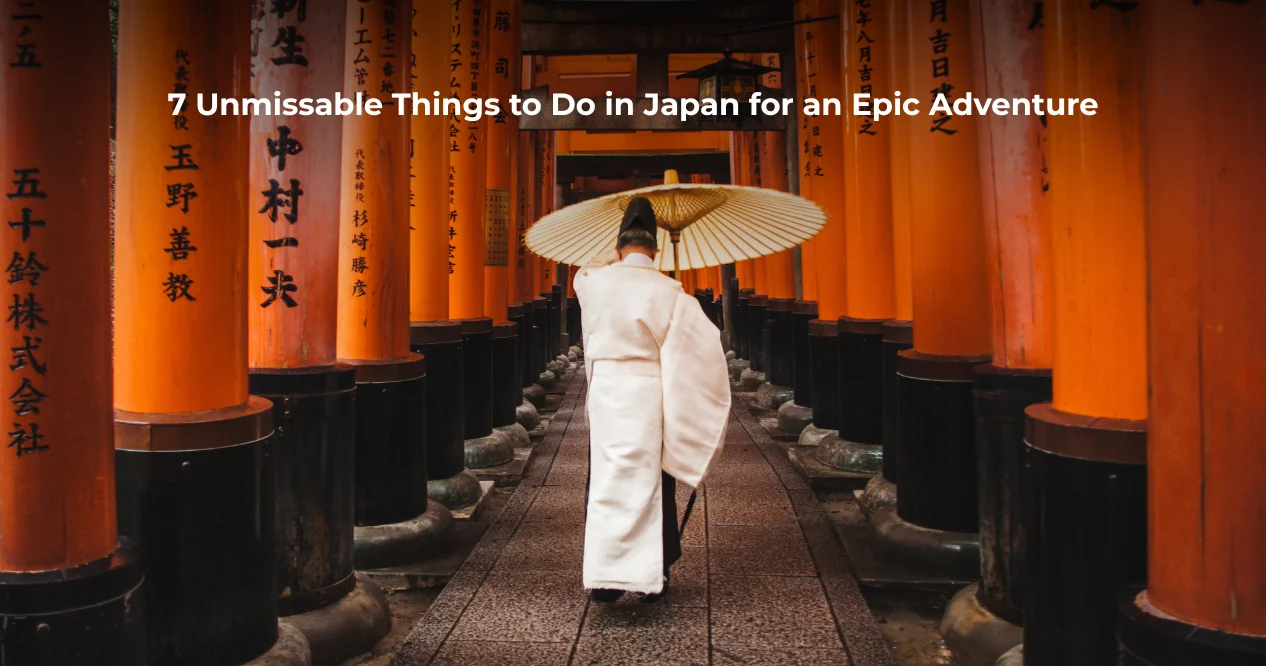
Begin at Fushimi Inari Taisha, where thousands of vibrant vermilion torii gates form winding pathways through a forested mountainside.
Walking beneath these gates is one of Japan's most memorable experiences.
Kyoto Highlights Worth Your Time
- Arashiyama Bamboo Grove: Walk through towering bamboo stalks that create an enchanting natural tunnel.
- Kinkaku-ji: Admire the famous Golden Pavilion reflected in its surrounding pond.
- Kiyomizu-dera: Discover a historic hillside temple with sweeping views across Kyoto.
- Gion: Explore traditional wooden streets associated with Kyoto's geiko and maiko culture.
- Nishiki Market: Sample Kyoto specialties, pickles, sweets, and seasonal Japanese foods.
For a quieter experience, consider Otagi Nenbutsu-ji Temple, located beyond Arashiyama's busiest streets.
This remarkable temple features approximately 1,200 expressive stone statues, each with its own personality. It's one of Kyoto's most delightful lesser-known attractions.
Travel Tip: Visit Fushimi Inari early in the morning or later in the evening to avoid the busiest periods. The pathways become noticeably quieter as you climb farther uphill.
Insider Experience: Book a traditional Japanese tea ceremony to learn about matcha preparation, etiquette, and the cultural meaning behind this centuries-old ritual.
3. See Mount Fuji and Relax in a Traditional Japanese Onsen
Few sights capture Japan's natural beauty quite like Mount Fuji.
Rising approximately 3,776 meters above sea level, Japan's tallest mountain has inspired artists, poets, and travelers for generations.
For breathtaking views, explore the Fuji Five Lakes region, particularly Lake Kawaguchi.
On clear days, the mountain's iconic silhouette reflects beautifully across the water.
Unforgettable Mount Fuji Experiences
- Lake Kawaguchi: Enjoy lakeside walks, cycling routes, and scenic photography spots.
- Chureito Pagoda: Capture one of Japan's most recognizable views, featuring a five-story pagoda and Mount Fuji.
- Oshino Hakkai: Discover traditional village scenery and clear spring-fed ponds.
- Hakone: Explore volcanic landscapes, mountain scenery, museums, and relaxing hot springs.
After a day of sightseeing, treat yourself to a traditional onsen, Japan's beloved natural hot-spring bathing experience.
Imagine soaking in mineral-rich water while gazing toward forested mountains. It's the perfect way to slow down after several busy travel days.
Travel Tip: Mount Fuji is often clearest during cooler months, particularly from late autumn through winter. Check visibility forecasts before planning your sightseeing day.
Important: Climbing Mount Fuji is different from sightseeing around it. Official climbing seasons, trail access, reservation requirements, and safety rules can change, so verify current regulations before attempting an ascent.
Insider Experience: Stay overnight at a traditional ryokan with an onsen. Some properties offer private bathing facilities, which can be especially convenient for couples, families, or travelers concerned about communal bathing etiquette.
4. Eat Your Way Through Osaka's Legendary Food Scene
Come hungry. Seriously!
Osaka is one of Japan's most exciting culinary destinations, famous for its lively atmosphere, welcoming personality, and irresistible street food.
The city is closely associated with kuidaore, a local expression often interpreted as eating until you drop.
And after one evening in Dotonbori, you'll understand why.
Must-Try Foods in Osaka
- Takoyaki: Delicious golden balls of batter filled with octopus and topped with savory sauces.
- Okonomiyaki: A satisfying savory pancake typically prepared with cabbage and your choice of additional ingredients.
- Kushikatsu: Crispy skewered meat, seafood, and vegetables served with dipping sauce.
- Kitsune Udon: Comforting noodles topped with sweet, seasoned fried tofu.
- Japanese Cheesecake: A light, fluffy dessert popular with visitors exploring Osaka's sweet treats.
Start your food adventure in Dotonbori, where enormous illuminated signs, busy restaurants, and colorful storefronts create an unforgettable atmosphere.
For a more traditional experience, explore Kuromon Ichiba Market, known for seafood, produce, and prepared foods.
Want to escape the busiest tourist streets? Head toward Tenma, where casual restaurants and compact drinking establishments attract plenty of local diners.
Travel Tip: Bring some cash when visiting small restaurants and food stalls. Although electronic payments are widespread in Japan, not every independent business accepts international cards.
Insider Experience: Join an evening food tour or explore several small restaurants instead of settling for one large meal. Osaka is best experienced one delicious bite at a time!
5. Discover Nara's Friendly Deer and Historic Temples
Picture yourself walking through a peaceful park when a curious deer approaches and gives you a little bow.
Welcome to Nara, one of Japan's most charming historic destinations!
Located within easy reach of both Kyoto and Osaka, Nara makes an excellent day trip for travelers exploring the Kansai region.
The city is especially famous for Nara Park, where hundreds of free-roaming deer wander through grassy spaces and wooded paths.
These animals have deep cultural significance and are protected as natural monuments.
Best Things to Experience in Nara
- Nara Park: Observe the famous deer roaming freely through the park.
- Todai-ji Temple: Marvel at the enormous bronze Great Buddha housed within an impressive historic temple complex.
- Kasuga Taisha: Explore a beautiful Shinto shrine celebrated for its traditional lanterns.
- Isuien Garden: Enjoy a peaceful Japanese garden with carefully composed landscapes.
- Naramachi: Wander through traditional streets filled with restored townhouses, cafés, and independent shops.
One especially memorable activity is feeding the deer specially prepared shika senbei, or deer crackers, sold around the park.
Some deer have learned to bow when requesting food, creating an amusing encounter for visitors.
However, remember that these are wild animals. They may nip, push, or become impatient around food.
Travel Tip: Feed deer only approved crackers, keep other food securely packed away, and avoid teasing the animals. If a deer becomes pushy, calmly move away.
Insider Experience: Explore Naramachi after visiting the park. Its smaller streets and traditional architecture offer a quieter perspective on the city.
6. Ride Japan's Bullet Trains and Explore Beautiful Hidden Gems
One of Japan's greatest travel experiences isn't a destination at all.
It's the journey!
Japan's famous Shinkansen bullet trains make traveling between major cities remarkably convenient.
On selected services, trains reach operating speeds of up to approximately 320 km/h, allowing travelers to cover long distances comfortably.
But beyond the speed and efficiency, Japan's rail network opens the door to fascinating destinations many first-time visitors overlook.
Hidden Gems Worth Adding to Your Japan Itinerary
- Kanazawa: Discover beautifully preserved historic districts, traditional crafts, and Kenrokuen Garden.
- Takayama: Wander through atmospheric old-town streets surrounded by the Japanese Alps.
- Kamakura: Visit an impressive Great Buddha statue, historic temples, and nearby coastal scenery.
- Kiso Valley: Walk sections of the historic Nakasendo route between traditional post towns.
- Naoshima: Explore a remarkable island known for contemporary art, architecture, and coastal landscapes.
For travelers who love history and nature, the Nakasendo Trail is particularly special.
The popular walking route between Magome and Tsumago passes through forested countryside and connects two beautifully preserved historic towns.
It's a wonderful opportunity to experience Japan beyond its major urban centers.
Travel Tip: Don't automatically purchase a nationwide Japan Rail Pass. Compare the pass price against individual tickets and regional rail passes based on your actual itinerary. For many shorter trips, separate tickets offer better value.
Insider Experience: When traveling from Tokyo toward Kyoto or Osaka on the Tokaido Shinkansen, a window seat on the right-hand side generally offers the best chance of seeing Mount Fuji, weather permitting.
7. Experience Japan's Cherry Blossoms, Autumn Colors, and Seasonal Magic
Japan is a destination that changes dramatically with the seasons.
Visit in spring, and you'll discover delicate pink cherry blossoms floating through parks and historic streets.
Arrive in autumn, and mountainsides, temple gardens, and forests glow with brilliant red, orange, and golden leaves.
Even winter and summer have their own extraordinary experiences.
When Is the Best Time to Visit Japan?
- Spring (March–May): Enjoy cherry blossoms, comfortable sightseeing temperatures, and lively seasonal celebrations.
- Summer (June–August): Experience traditional festivals, spectacular fireworks, and hiking in cooler mountain regions.
- Autumn (September–November): Discover colorful foliage, seasonal cuisine, and pleasant conditions for exploring many destinations.
- Winter (December–February): Enjoy snowy landscapes, relaxing hot springs, winter illuminations, and excellent skiing in northern and mountainous regions.
Cherry blossom season is particularly famous, but timing varies significantly depending on location and annual weather conditions.
In many years, blossoms appear around late March or early April in Tokyo and Kyoto, while northern regions such as Hokkaido typically bloom later.
Autumn foliage also follows regional patterns, with cooler northern and mountain areas generally changing colors before warmer southern destinations.
Unique Seasonal Experiences
- Hanami Picnics: Join the Japanese tradition of gathering beneath blooming cherry trees.
- Autumn Temple Walks: Explore Kyoto's gardens and shrines surrounded by colorful maple leaves.
- Winter Onsen Escapes: Relax in hot springs while enjoying snowy mountain scenery.
- Summer Matsuri: Experience traditional Japanese festivals featuring food stalls, performances, and colorful celebrations.
For a magical winter adventure, consider visiting Hokkaido, where powder snow, winter scenery, and seasonal events create a completely different side of Japan.
Travel Tip: Cherry blossom forecasts are updated as the season approaches, so keep your itinerary flexible when possible. Popular spring and autumn accommodations often book up well in advance.
Insider Experience: Visit popular cherry blossom locations early in the morning, then explore smaller neighborhood parks where local residents gather for a more relaxed hanami experience.
Planning Your Japan Adventure: Essential Travel Tips
Japan is generally an easy country to explore thanks to its efficient public transportation, extensive accommodation options, and excellent visitor infrastructure.
Still, a little preparation can make your trip significantly smoother.
Getting Around Japan
Major cities such as Tokyo, Osaka, and Kyoto have comprehensive public transportation networks.
For everyday travel, rechargeable transport cards such as Suica, PASMO, and ICOCA can simplify payments on many trains, buses, and other participating services.
Long-distance Shinkansen trains are especially useful when traveling between major destinations.
Travel Tip: Use a reliable navigation app to check train routes, departure platforms, transfer times, and estimated fares before heading out.
How Many Days Do You Need in Japan?
For a first visit, 10–14 days provides a comfortable introduction to several of Japan's most popular destinations.
A possible 12-day itinerary could look like this:
- Days 1–4: Explore Tokyo's neighborhoods, temples, food markets, and nightlife.
- Days 5–6: Discover Mount Fuji viewpoints and enjoy an overnight onsen experience.
- Days 7–9: Explore Kyoto's historic temples, traditional streets, and cultural experiences.
- Day 10: Take a day trip to Nara.
- Days 11–12: Experience Osaka's food culture, shopping, and entertainment districts.
If you have additional time, consider adding Kanazawa, Takayama, the Kiso Valley, or another destination that matches your interests.
Money, Etiquette, and Everyday Essentials
Although Japan is increasingly card-friendly, carrying some Japanese yen is useful for smaller businesses, temples, and rural destinations.
Learning a few basic Japanese expressions can also make everyday interactions more enjoyable.
- Arigatou gozaimasu: Thank you.
- Sumimasen: Excuse me or sorry.
- Konnichiwa: Hello or good afternoon.
- Onegaishimasu: Please, when making a request.
Remember to follow local etiquette, including removing your shoes where required, keeping conversations quiet on public transport, and respecting photography restrictions at temples and shrines.
Travel Tip: Before departure, confirm current passport and visa requirements for your nationality, review accommodation availability, and check for any seasonal transportation changes. Japan's busiest holiday periods, including Golden Week, Obon, and New Year, can increase travel demand.
Ready to Experience the Magic of Japan?
From Tokyo's dazzling skyline and Kyoto's ancient temples to Osaka's incredible food and the peaceful beauty of Mount Fuji, Japan is packed with experiences that stay with you long after you return home.
But what makes the country truly unforgettable isn't just its famous attractions.
It's the little moments.
The warmth of a neighborhood restaurant. The peaceful sound of a temple bell. The excitement of boarding your first bullet train. The unexpected discovery of a quiet street filled with traditional wooden houses.
Whether you're chasing cherry blossoms, searching for hidden gems, or planning the ultimate Japanese food adventure, there's something extraordinary waiting around every corner.
Start planning your Japan adventure today! Choose your must-see destinations, explore accommodation options, and build an itinerary that combines iconic landmarks with authentic local experiences.
Your unforgettable journey through Japan starts here. [add booking link]
Frequently Asked Questions
1. What Are the Best Things to Do in Japan for First-Time Visitors?
First-time visitors should explore Tokyo, visit Kyoto's historic temples, see Mount Fuji, sample Osaka's street food, and meet the deer in Nara. Riding the Shinkansen and experiencing a traditional onsen are also highly recommended.
2. How Many Days Should I Spend in Japan?
A 10–14-day trip is ideal for exploring several major destinations without rushing. Twelve days allows time for Tokyo, the Mount Fuji region, Kyoto, Nara, and Osaka.
3. When Is the Best Time to Visit Japan?
Spring and autumn are particularly popular thanks to cherry blossoms and colorful foliage. Winter is excellent for skiing and hot springs, while summer offers vibrant festivals and mountain adventures.
4. Where Can I Get the Best Views of Mount Fuji?
Lake Kawaguchi and Chureito Pagoda are among the most popular viewpoints. The Fuji Five Lakes region offers excellent photography opportunities, especially on clear days during cooler months.
5. Is the Japan Rail Pass Worth Buying?
It depends on your route and travel frequency. Compare the cost of individual train tickets and regional passes before purchasing. A nationwide pass may not be economical for shorter itineraries.
6. What Japanese Foods Should I Try in Osaka?
Don't miss takoyaki, okonomiyaki, kushikatsu, and kitsune udon. Dotonbori is a lively starting point, while Tenma offers excellent opportunities to explore smaller local restaurants.
7. Can You Feed the Deer in Nara Park?
Yes. Visitors can purchase specially made deer crackers from vendors around the park. Feed the animals carefully, avoid giving them other foods, and remember that they are wild animals.
8. What Are Some Hidden Gems in Japan Beyond Tokyo and Kyoto?
Kanazawa, Takayama, Kamakura, Naoshima, and the Kiso Valley are excellent alternatives. These destinations offer traditional architecture, historic walking routes, art, scenic landscapes, and opportunities to experience a quieter side of Japan.