Burj Khalifa deserves the photographs. Palm Jumeirah deserves the attention. Dubai Mall, Atlantis, the desert safari and Dubai Marina are famous for good reason.
But they are not the whole city.
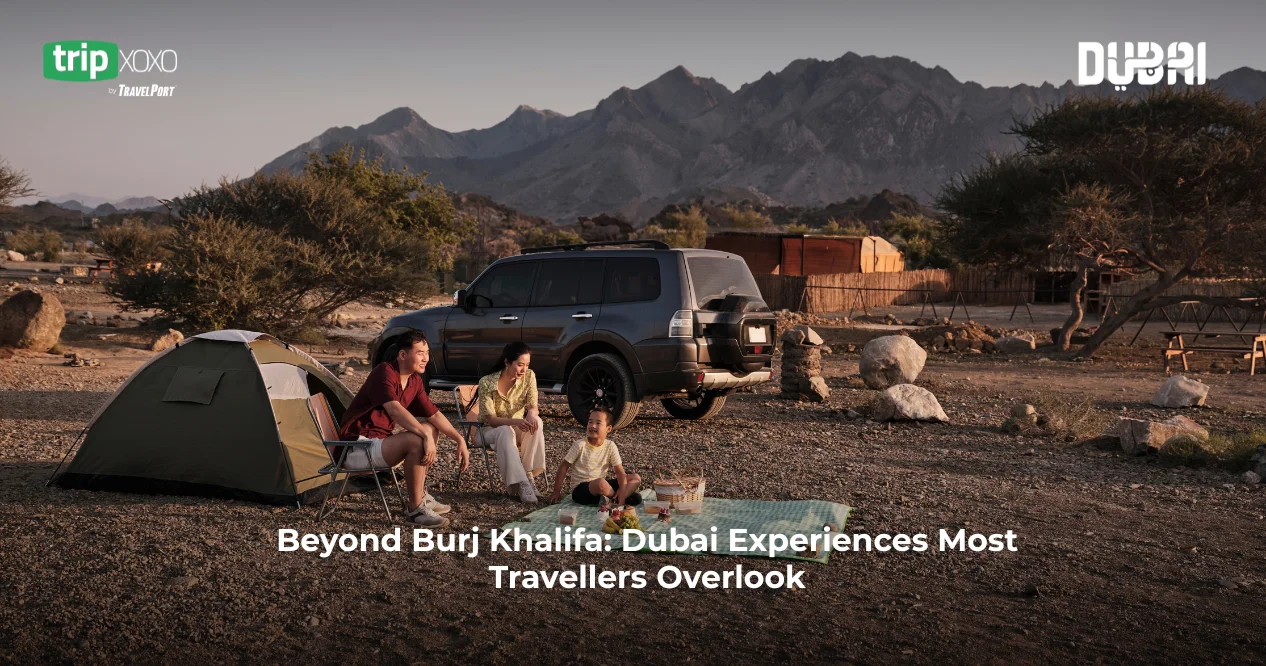
Dubai becomes far more interesting when you stop treating it as a checklist of global icons and begin exploring the spaces between them: a creative district inside old warehouses, flamingos feeding with skyscrapers in the distance, contemporary art beside Dubai Creek, a mountain escape in Hatta, desert lakes at Al Qudra, cultural museums that explain how the UAE came together, and neighbourhoods where the city's story feels more lived-in than staged.
These experiences are not necessarily "secret." Some are well known among residents, repeat visitors, culture lovers and nature travellers. What makes them overlooked is that they often disappear beneath the headline attractions when someone plans a first Dubai holiday.
That is a missed opportunity.
A great Dubai trip should include at least one moment that surprises you. One place that makes you say, "I did not know Dubai looked like this." One experience that changes your idea of what the destination is.
This guide is built around those moments.
It is for travellers who have already seen the classic Dubai photos, people returning for a second trip, first-time visitors who want more than the obvious, and anyone searching for hidden gems in Dubai, unusual things to do, lesser-known attractions, cultural experiences, nature escapes and places beyond the standard tourist route.
The famous Dubai is spectacular.
The less obvious Dubai is where the destination starts to become personal.
What Does “Hidden Dubai” Actually Mean?
Dubai is one of the most photographed and promoted destinations in the world, so calling anything a true secret can be misleading.
The better idea is "Dubai beyond the obvious."
That includes places that are established attractions but receive less attention from short-stay tourists. It includes neighbourhoods residents use every week but visitors may never enter. It includes cultural institutions, nature reserves and landscapes that do not fit the usual image of futuristic towers and luxury resorts.
It also includes familiar areas approached differently.
Dubai Creek is famous, but many visitors rush through it. Al Quoz is known to residents, but many tourists have no idea that a major creative district sits inside its industrial landscape. Dubai's desert is famous, but conservation-focused experiences, lakes, cycling routes and heritage programmes reveal a different side from a standard dune-bashing evening.
The goal of this guide is not to tell you to skip Burj Khalifa.
It is to make sure Burj Khalifa is not the only Dubai you remember.
1. Alserkal Avenue: Dubai’s Creative Side Hiding in Plain Sight
If your mental picture of Dubai is glass towers, luxury malls and beachfront resorts, Alserkal Avenue can reset it in an afternoon.
Located in Al Quoz, an area long associated with warehouses and industry, Alserkal Avenue has evolved into one of Dubai's leading creative districts. Galleries, cultural spaces, design studios, events, performance venues, independent concepts and an arthouse cinema sit inside a landscape that feels deliberately different from the polished grandeur of Downtown.
That contrast is the attraction.
You are not visiting Alserkal for one giant landmark.
You are visiting to move between spaces, see what is showing, have coffee, discover an exhibition you had not planned for and experience a part of Dubai shaped by artists, designers, filmmakers and creative communities.
For repeat visitors, this can be one of the most refreshing additions to the itinerary because it replaces spectacle with curiosity.
For first-time travellers, Alserkal Avenue works particularly well when combined with another experience in central Dubai. Give it two or three hours rather than forcing it into a ten-minute photo stop.
Check the current exhibition and event programme before visiting because the experience changes throughout the year.
This is a place where Dubai feels less like a postcard and more like a city with a creative conversation happening inside it.
2. Cinema Akil: Watch Dubai Slow Down for a Film
Inside the wider Alserkal Avenue ecosystem, Cinema Akil offers one of the city's more unusual cultural experiences.
An independent arthouse cinema is probably not the first thing people imagine when they plan Dubai, which is exactly why it belongs in a guide about the places travellers overlook.
The appeal is not simply watching a movie.
It is the atmosphere around independent film, alternative programming and the feeling of doing something that residents might choose on an ordinary evening rather than something designed only for tourists.
If your Dubai itinerary is packed with large-scale attractions, a cinema evening can become a surprising reset.
Spend time at Alserkal Avenue, see an exhibition, eat nearby and end with a film.
Travel becomes richer when you occasionally stop trying to maximise the number of landmarks and instead experience how a city entertains itself.
3. Jameel Arts Centre: Contemporary Dubai Beside the Creek
Jameel Arts Centre gives visitors another route into Dubai's cultural life.
Located in the Al Jaddaf area beside Dubai Creek, the institution focuses on contemporary art and exhibitions in a setting far removed from the visual intensity of Downtown Dubai.
The reason it is valuable for travellers is simple: it introduces a Dubai that is thoughtful, creative and connected to regional and international artistic conversations.
You can move through exhibitions at your own pace, spend time around the surrounding waterfront setting and pair the visit with another cultural or creekside experience.
For art lovers, this deserves much more than being treated as a rainy-day or hot-weather backup plan.
For travellers who do not normally visit galleries, it can still be interesting precisely because it breaks the rhythm of theme parks, shopping and observation decks.
Dubai is constantly described as futuristic.
Contemporary art is one of the places where you can see the city thinking about the present.
4. Ras Al Khor Wildlife Sanctuary: Flamingos With a Skyline Behind Them
Few images challenge the stereotype of Dubai as quickly as flamingos standing in wetlands with a modern skyline in the distance.
Ras Al Khor Wildlife Sanctuary protects an important wetland habitat near the heart of the city and is best known among visitors for birdwatching, particularly the sight of greater flamingos during suitable periods.
The experience is quiet.
That is part of what makes it memorable.
You are close to major roads, business districts and some of Dubai's most ambitious development, yet the focus is on birds, water and habitat rather than architecture.
Nature lovers should consider this an essential alternative Dubai stop.
Photographers can use the contrast between wildlife and cityscape to create images that look nothing like the standard Dubai feed.
Families may also find it useful as a shorter nature experience between larger attractions.
Because wildlife sightings and seasonal conditions naturally vary, visit with the mindset of observing a real habitat rather than expecting a staged show.
Dubai's surprise is not only that a wetland sanctuary exists beside a global city.
It is how quickly the city can disappear when you start watching the birds.
5. Al Marmoom Desert Conservation Reserve: The Desert Beyond Dune Bashing
Most first-time travellers meet the Dubai desert through a safari.
That can be excellent.
But the desert becomes more interesting when you understand that it is also an ecosystem, a cultural landscape and a protected environment.
Al Marmoom is one of the strongest places to experience that broader story. The reserve and surrounding desert area are associated with wildlife, desert landscapes, heritage experiences, cycling routes and outdoor activities.
Instead of treating the dunes only as a playground, an Al Marmoom experience can introduce you to desert plants, animals, traditional ways of life and the relationship between people and this environment.
Some organised programmes use heritage-style vehicles, camel experiences, Bedouin-inspired settings, traditional food and storytelling to create a slower alternative to the high-energy safari.
Nature-focused visitors may prefer this.
Families can find the educational element valuable.
Couples may appreciate the quieter pace.
Repeat Dubai visitors can discover a desert experience that feels completely different from their first trip.
If your idea of Dubai desert tourism begins and ends with dune bashing, Al Marmoom is where that idea gets bigger.
6. Dubai Desert Conservation Reserve Visitor Centre: Understand the Ecosystem Before the Adventure
The Dubai Desert Conservation Reserve is another important part of the emirate's conservation story.
Its visitor experience focuses on the reserve's wildlife, habitats, cultural connections and conservation work, helping travellers understand that the desert is far from empty.
Interactive and interpretive exhibits can introduce native species, desert ecology and the way conservation has developed in the area.
This is particularly useful for families, nature travellers and visitors who want context before or after a desert experience.
A safari is exciting.
Understanding what actually survives in this environment makes the landscape more impressive.
If you have enough time, consider combining education and adventure rather than choosing only one.
Dubai often celebrates human engineering.
The desert reserves remind you that the natural systems around the city deserve equal attention.
7. Al Qudra Lakes: A Different Kind of Dubai Sunset
If you want a Dubai sunset without a rooftop, yacht or skyline observation deck, look toward Al Qudra.
The lakes sit within the wider desert landscape and have become popular with residents for outdoor time, wildlife watching, cycling, picnics and sunset drives.
The experience is deliberately simple.
There is no need for a giant attraction entrance.
You go for open space, desert air, water, birds and the feeling of being away from the urban centre.
For travellers, Al Qudra works best when you understand the logistics in advance. It is not the kind of attraction where you step out of a Metro station and immediately arrive. Organise transport carefully and bring what you need.
Nature conditions also matter.
Do not approach the area as a theme park where every animal or perfect sunset is guaranteed.
Approach it as landscape.
That is what makes it special.
8. Love Lake: The Dubai Photo Stop That Sits Outside the Skyline
Love Lake near Al Qudra has become recognisable for its heart-shaped design, but many short-stay visitors still never reach it.
The appeal is not simply the aerial shape.
At ground level, it is part of a wider desert-and-lake environment that allows travellers to slow down, walk, watch birds and experience sunset away from the dense city.
Couples naturally gravitate toward the name and shape, but the area can work for families, photographers and anyone looking for outdoor time.
Pair it with other Al Qudra or desert activities rather than travelling a long distance for one photograph.
That is a recurring rule for hidden-gem itineraries: build a small journey around an area rather than treating every place as an isolated pin on a map.
9. Al Qudra Cycle Track: Dubai on Two Wheels
Dubai's attraction culture is often built around tickets.
Cycling in the desert offers something different.
Al Qudra Cycle Track runs through desert scenery and has become a major destination for riders looking for long, open routes away from the city.
Serious cyclists may plan a full riding experience, while visitors who simply like active travel can explore suitable options based on ability, weather and equipment access.
This is not an activity to improvise in the middle of extreme heat.
Temperature, hydration, fitness, route planning and safe cycling conditions matter.
When conditions are right, however, the experience is extraordinary.
Few people return home from Dubai expecting one of their strongest memories to be riding through open desert.
That is exactly why it belongs here.
10. Hatta: The Dubai Trip That Does Not Look Like Dubai
Hatta is one of the most important places to include if you want to understand how geographically varied the emirate can be.
The mountain landscape feels worlds away from Downtown Dubai.
Outdoor experiences can include hiking, mountain biking, kayaking and other adventure activities depending on season and operating conditions. The turquoise-looking reservoir, rocky terrain and mountain scenery create an entirely different visual identity from the city and desert dunes.
Hatta works best as a deliberate day trip rather than a quick detour.
Leave enough time for the journey and choose one or two activities instead of trying to complete every option.
Adventure travellers can build the day around physical activity.
Families may prefer a gentler mix of scenery and accessible experiences.
Couples can use Hatta as a nature escape from a skyline-heavy itinerary.
Repeat visitors should consider it especially strongly.
If your first Dubai trip was Burj Khalifa, Palm Jumeirah and the desert safari, Hatta can make the second visit feel like a completely new destination.
11. Kayaking in Hatta: Trade Skyscrapers for Mountains and Water
Kayaking is one of the experiences most strongly associated with the scenic side of Hatta.
The attraction is the setting as much as the activity.
You are on water surrounded by rocky mountains rather than towers, beach resorts or desert dunes.
For travellers who enjoy light adventure, this can create one of the biggest visual surprises in Dubai.
Check operating conditions, weather and any age or safety requirements before travelling.
Also remember that Hatta deserves time.
Do not schedule a mountain activity in the morning and an important Downtown booking immediately afterward.
The entire point is to escape the speed of the city.
12. Hatta Hiking and Mountain Biking: Dubai for Outdoor Travellers
Hatta also gives hikers and mountain bikers a reason to build Dubai around nature rather than only sightseeing.
The terrain can provide a range of outdoor experiences depending on route, season, ability and current operations.
This is where travel planning becomes more important than attraction collecting.
Wear appropriate footwear.
Carry water.
Understand your route.
Avoid difficult outdoor exertion in unsuitable heat.
Do not assume that because Dubai is known for polished tourism infrastructure, every mountain experience is effortless.
That sense of real landscape is part of Hatta's appeal.
13. Etihad Museum: The Attraction That Explains the UAE, Not Just Dubai
Visitors often learn Dubai's story through the creek, trading districts and rapid development.
Etihad Museum adds a wider national perspective.
The museum focuses on the formation of the United Arab Emirates and the events, leaders and decisions connected to the country's union.
For travellers who want to understand the place they are visiting rather than only photograph it, this context matters.
The architecture and exhibits create a more reflective experience than many of Dubai's high-energy attractions.
It works particularly well alongside heritage neighbourhoods, Jumeirah or other cultural stops.
If you have already visited Dubai once and skipped museums, Etihad Museum can transform the second trip from "more attractions" into "more understanding."
14. Al Shindagha: Go Deeper Into the Story of Dubai Creek
Many travellers visit the souks and take an abra across Dubai Creek.
Far fewer give the historic waterfront districts enough time.
Al Shindagha offers a deeper way into Dubai's heritage, including museums and restored cultural spaces that explore the city's relationship with the creek, trade, society and traditional life.
The neighbourhood should be experienced slowly.
Combine it with Al Fahidi, the creek and the souks for a heritage day that feels much more complete than a quick morning in Old Dubai.
For history lovers, this can become one of the strongest days of the trip.
For photographers, traditional architectural details provide a visual break from the city's modern skyline.
For families, museums can turn abstract history into something easier to understand.
Old Dubai is not one attraction.
It is a network of stories.
15. Sheikh Mohammed Centre for Cultural Understanding: Ask the Questions You Usually Keep to Yourself
One of the most valuable travel experiences is having the chance to understand a culture through conversation rather than only observation.
The Sheikh Mohammed Centre for Cultural Understanding in the historic area has long focused on helping visitors learn about Emirati culture, customs and traditions through programmes that may include meals, guided experiences and discussion.
This kind of experience is especially useful for first-time visitors who have practical questions about local life but do not know where to ask them.
It also helps move a Dubai trip beyond architecture.
Buildings tell part of the story.
People, customs, food and conversation tell another.
16. Jumeirah Mosque: Add Cultural Context to the Beach District
Many visitors pass through Jumeirah on the way to beaches, hotels and Burj Al Arab viewpoints.
Jumeirah Mosque offers a very different reason to stop.
Its architecture is a prominent city landmark, and organised visitor experiences can provide cultural and religious context for travellers interested in learning more about Islam and local customs.
Approach the visit respectfully.
Check current visitor timings, dress requirements and programme information before going.
This is not simply another photo stop.
A meaningful visit is about understanding what the building represents.
17. Quranic Park: A Different Kind of Educational Attraction
Quranic Park in Al Khawaneej is one of the more unusual entries in Dubai's parks and cultural landscape.
The park is designed around themes and stories connected to the Holy Quran, with educational spaces that explore plants, concepts and narratives associated with Islamic tradition.
For visitors interested in culture, religion, gardens or educational attractions, it provides something very different from the city's commercial entertainment.
Families may find it especially interesting because the setting makes learning more experiential.
As with any culturally specific attraction, go with curiosity and respect rather than treating it as a novelty.
Dubai's diversity of attractions includes spaces designed to explain belief, heritage and knowledge as well as spaces designed purely to entertain.
18. Dubai’s Traditional Food Scene: Explore Beyond Hotel Restaurants
A less obvious Dubai itinerary should include food that takes you away from the polished hotel dining circuit.
Areas around Deira, Bur Dubai, Karama and other long-established neighbourhoods reveal how internationally diverse everyday Dubai can be.
South Asian, Middle Eastern, Iranian, Filipino, East African and many other culinary influences sit alongside Emirati food traditions.
You do not need an expensive tasting menu to understand Dubai through food.
A casual breakfast, a neighbourhood restaurant, a traditional sweet, Arabic coffee or a meal connected to a cultural programme can say more about the city than another luxury dinner.
Food-led travellers should consider a guided experience if they want deeper context.
Independent travellers can build their own route around neighbourhoods known for different communities and cuisines.
The hidden Dubai is often on the plate.
19. Satwa and Karama: See Everyday Dubai
Not every worthwhile neighbourhood needs a landmark.
Satwa and Karama are examples of areas where visitors can encounter a more everyday rhythm of the city: local restaurants, small shops, tailoring, street-level retail and a multicultural population.
These are not "hidden attractions" in the traditional sense.
They are pieces of ordinary Dubai.
That distinction matters.
A city cannot be understood only through places designed for tourists.
Spend time respectfully, eat somewhere local, browse shops and observe how different the atmosphere feels from Downtown or Palm Jumeirah.
Do not turn residential or working neighbourhoods into a spectacle.
The point is not to photograph people living ordinary lives.
The point is to widen your understanding of the city.
20. Dubai Design District: Architecture, Design and a Different Waterfront Mood
Dubai Design District, commonly known as d3, offers another window into the city's creative economy.
The area is associated with design, fashion, architecture, events and creative businesses, with a modern urban environment that feels different from both Alserkal's warehouse character and Downtown's landmark scale.
Travellers interested in visual culture, architecture or design may enjoy walking through the district, especially when exhibitions or public events are taking place.
It can also pair well with a wider creek or canal-focused day.
Check what is happening during your dates.
Creative districts are strongest when you experience them as living places rather than static attractions.
21. Dubai Water Canal: Walk the City Instead of Only Driving Through It
Dubai is often experienced from inside cars, taxis and the Metro.
The Dubai Water Canal gives you a reason to slow down at pedestrian level.
Waterfront paths, bridges and city views can create an enjoyable evening walk, particularly when the temperature is comfortable.
Boat and abra-style canal experiences can also provide a different perspective on nearby neighbourhoods and skyline landmarks.
The canal is not more impressive than Burj Khalifa.
It does not need to be.
Its value is that it lets you inhabit the city for a while instead of constantly moving between attractions.
22. Al Seef: A Creekside Evening With Heritage-Inspired Character
Al Seef stretches along Dubai Creek and combines waterfront walking, dining, retail and architecture inspired by the city's heritage.
Because it is visually polished, it should not be confused with an untouched historic district.
But it can still be an enjoyable way to spend an evening beside the creek, especially when paired with genuine heritage areas such as Al Fahidi and Al Shindagha.
Use it as part of a larger creek experience.
Walk.
Eat.
Watch abras and boats move across the water.
Let the atmosphere change after dark.
The best way to appreciate Al Seef is not to ask whether it is "old Dubai" or "new Dubai."
It deliberately sits between the two.
23. Dubai Creek Harbour: Skyline Views From the Other Side
One way to make a familiar skyline feel new is simply to change where you stand.
Dubai Creek Harbour offers modern waterfront spaces with views toward the wider city and can provide a calmer alternative to some of the busiest central districts.
For photographers and couples, the area can work well around late afternoon and evening.
For repeat visitors, it gives you another relationship with the skyline rather than another observation deck above it.
Dubai's architecture is impressive from inside Downtown.
Sometimes it is even more interesting from a distance.
24. Mushrif National Park: Green Space, Ghaf Trees and Outdoor Dubai
Dubai's parks rarely dominate international travel itineraries, but they can provide an important change of pace.
Mushrif National Park is associated with natural ghaf woodland, recreation and outdoor activities, offering a greener environment than many visitors expect.
Families can use large park spaces as a reset between attraction-heavy days.
Active travellers may look at outdoor activity options depending on current availability.
Nature lovers can simply appreciate seeing another ecosystem within the emirate.
A park may not sound exciting next to a skyscraper.
But after three days of queues, elevators and malls, trees can feel surprisingly luxurious.
25. The Coffee Museum and Small Heritage Stops: Let Tiny Attractions Matter
Large attractions dominate Dubai tourism because they are easy to market.
Small museums can sometimes create a stronger memory.
In and around the historic districts, compact cultural attractions can focus on specific subjects such as coffee, traditional life, architecture or local heritage.
These places rarely need half a day.
That is part of their appeal.
You can add one while wandering through Al Fahidi without restructuring the entire itinerary.
A ten-room museum can sometimes tell you more about everyday culture than a giant attraction designed to impress.
Hidden-gem travel is not only about finding unknown places.
It is about giving small places enough attention to matter.
26. A Hot Air Balloon Over the Desert: Dubai From Above Without a Skyline
Most aerial views in Dubai focus on skyscrapers or Palm Jumeirah.
A desert balloon experience turns the camera in the opposite direction.
Instead of towers, you get dunes, early-morning light and a huge horizon.
For travellers who have already done observation decks, this can be one of the most dramatic ways to experience scale.
Balloon experiences are weather-dependent and typically require early starts, so planning matters.
They can also be premium experiences.
But for travellers who value landscapes over landmarks, the emotional impact can be very different from looking down from a building.
You realise Dubai's skyline occupies only one part of a much larger environment.
27. Desert Stargazing: Stay After the Sunset Photo
Many desert visitors focus completely on sunset.
The night sky deserves attention too.
Away from the brightest parts of the city, organised desert experiences may incorporate stargazing or simply give visitors time to sit outside after dark.
This is one of the strongest ways to change the pace of a Dubai holiday.
The city is built around stimulation.
The desert at night offers the opposite.
No shopping.
No giant screens.
No tower to photograph.
Just distance, darkness and time.
For couples, this can feel romantic.
For families, it can become educational.
For solo travellers, it can be unexpectedly reflective.
Sometimes the overlooked experience is not another place.
It is staying longer after everyone else thinks the attraction is finished.
28. Dubai Camel Racing: Heritage With Speed
Camel racing connects heritage and modern sport in a way that many visitors do not expect.
Dubai's camel racing culture is far removed from the tourist image of a short camel ride at a desert camp.
If your dates align with racing activity and visitor access, seeing the sport can provide a much deeper sense of regional tradition.
Because schedules can be seasonal and change, research current race information before making a special journey.
This is exactly the type of experience that rewards travellers who plan beyond standard booking platforms.
You may leave with fewer polished photographs than at a major attraction.
You will probably leave with a better story.
29. See the Desert on Horseback
Horse riding in the desert offers a slower alternative to 4x4 dune experiences.
Instead of speed and engine noise, the focus becomes movement through the landscape, balance and the atmosphere of the desert itself.
Sunset rides can be especially memorable when conditions are suitable.
As with any animal-based activity, choose reputable operators that prioritise welfare and clear safety standards.
This experience can appeal to couples, experienced riders and travellers who want to spend time in the desert without a conventional safari format.
Dubai does not need to be experienced at maximum speed.
30. Paramotor and Alternative Desert Flight Experiences
For travellers seeking an unusual adventure, desert flight experiences such as paramotoring can offer a completely different view over the dunes.
These activities are specialised and depend on weather, safety requirements and operator conditions.
They are not for every visitor.
That is the point.
A hidden-gem itinerary should contain something chosen because it fits you, not because everyone else is doing it.
If aerial adventure is your interest, the desert can become your main stage rather than the skyline.
31. Take the Abra Beyond the “Quick Crossing” Mindset
The traditional abra across Dubai Creek is famous, but most travellers treat it as a two-minute novelty.
Slow it down.
Use marine transport to understand the creek as a working waterway.
Watch how neighbourhoods meet the water.
Notice older trading buildings, boats, warehouses and newer developments.
Consider a longer creek or canal boat experience if it fits your schedule.
Dubai's relationship with water existed long before the artificial islands and luxury marinas.
The creek is where that relationship becomes historical rather than purely recreational.
32. Watch Sunrise Instead of Sunset
Dubai itineraries are obsessed with sunset.
Sunrise is one of the easiest ways to experience the city differently.
A public beach, desert setting, waterfront area or elevated viewpoint can feel almost transformed early in the morning.
The city is quieter.
The light is softer.
Temperatures can be more comfortable during warmer periods.
You also gain time.
Starting early allows you to enjoy an outdoor experience before the day becomes crowded, then move indoors later.
For photographers, sunrise can create images far removed from the familiar evening skyline.
For solo travellers, it can become one of the most peaceful moments of the trip.
You do not need another attraction.
You may just need a different hour.
33. Explore Dubai by Neighbourhood, Not by Top-10 List
The most effective way to discover less obvious Dubai is to stop planning attraction by attraction.
Choose a neighbourhood.
Spend time there.
Al Quoz can become art and creative culture.
Al Jaddaf can combine contemporary art and creekside spaces.
Deira and Bur Dubai can become heritage, food, markets and water transport.
Jumeirah can combine cultural stops, beaches and architecture.
Hatta becomes a full nature day.
Al Marmoom and Al Qudra become a desert-and-wildlife route.
This neighbourhood approach creates discoveries naturally because you are no longer leaving immediately after the headline attraction.
The places between the pins become part of the trip.
A One-Day “Different Dubai” Itinerary
If you have already done the main icons, dedicate one complete day to the city's less obvious side.
Morning: Ras Al Khor Wildlife Sanctuary
Start with nature before the day becomes busy. Spend time watching birds and enjoying the contrast between wetlands and the surrounding city.
Late morning: Jameel Arts Centre
Move toward Al Jaddaf for contemporary art and a slower cultural experience.
Lunch: Choose a neighbourhood restaurant rather than a major tourist complex
Let food become part of the exploration.
Afternoon: Alserkal Avenue
Spend several hours around galleries, creative spaces, coffee and design.
Evening: Cinema Akil, Dubai Water Canal or a local dining experience
Finish the day with culture or a waterfront walk rather than a giant attraction.
This itinerary works because every stop challenges a different Dubai stereotype.
A One-Day Desert Dubai Beyond the Standard Safari
Morning: Al Qudra or conservation-focused desert experience
Begin when conditions are cooler and wildlife activity may be more visible.
Midday: Rest
Do not force outdoor desert travel through the hottest part of the day.
Late afternoon: Al Marmoom heritage or nature-focused experience
Explore the desert with more attention to culture, ecology and wildlife.
Sunset: Desert landscape
Protect this time.
Night: Stargazing or heritage-style dinner
Let the desert continue after the sun disappears.
This version of the desert is less about how fast you can cross a dune and more about why the landscape matters.
A One-Day Mountain Escape to Hatta
Leave Dubai city early.
Start with the landscape itself before choosing your main activity.
Kayaking works well for travellers drawn to the reservoir setting.
Hiking or mountain biking can suit active visitors when weather and ability are appropriate.
Families can select gentler activities and scenic stops.
Build in lunch and rest rather than trying to move constantly.
Return to the city without a major evening booking.
Hatta should feel like leaving Dubai behind for a day, even though you are still exploring the emirate.
That psychological change is one of the reasons the trip is worth making.
Hidden Dubai for Couples
Couples looking beyond the obvious can build romance around atmosphere rather than expensive labels.
Watch wildlife at Ras Al Khor.
Explore art together at Alserkal Avenue.
Take a long creekside walk.
Visit Love Lake and the Al Qudra landscape around sunset.
Spend a day in Hatta.
Choose a quieter heritage desert experience.
Watch sunrise from a beach.
Romantic travel becomes more personal when the place is connected to what both of you enjoy rather than to a generic idea of luxury.
Dubai offers plenty of spectacular date-night settings.
Its overlooked side offers something else: room to discover together.
Hidden Dubai for Families
Families can use less obvious attractions to balance high-energy theme parks and malls.
Ras Al Khor introduces wildlife.
Quranic Park can offer an educational cultural experience.
Heritage museums provide context.
Hatta creates outdoor adventure.
Al Marmoom can connect desert experiences with wildlife and tradition.
Creative districts may have exhibitions, workshops or events suitable for different ages depending on the programme.
Parks give children physical space to decompress.
Parents often plan Dubai around giant attractions because they seem easiest.
Smaller experiences can sometimes create the moments children actually remember because they are slower, more interactive and less overwhelming.
Hidden Dubai for Solo Travellers
Solo travellers are especially well suited to this side of Dubai.
You can stay in a gallery as long as you want.
Sit quietly at a wildlife hide.
Walk through heritage districts without negotiating pace.
Take a camera to Al Qudra.
Join a cultural programme.
Spend an evening at an independent cinema.
Travel to Hatta for an outdoor challenge.
The overlooked Dubai rewards curiosity, and solo travel gives curiosity room to lead.
Instead of asking what everybody visits, ask what you are genuinely interested in.
Then build the day around that.
Hidden Dubai for Repeat Visitors
Second and third trips are where Dubai becomes especially interesting.
The pressure to complete the famous checklist disappears.
You already have the Burj Khalifa photograph.
You have already walked through Dubai Mall.
You know Palm Jumeirah.
Now the city can unfold in a different direction.
Spend a day on art and design.
Explore conservation areas.
Visit museums you skipped.
Plan an entire Hatta escape.
Try a desert experience built around wildlife rather than adrenaline.
Eat through older neighbourhoods.
Watch a film in Al Quoz.
Return trips are not about finding bigger attractions.
They are about finding more layers.
How to Find Your Own Dubai Hidden Gems
Do not search only for the phrase "hidden gems Dubai."
Search by interest.
If you love architecture, search for Dubai design districts, heritage houses and contemporary buildings.
If you love birds, search for wetlands and nature reserves.
If you love cycling, look beyond beach paths to desert routes.
If you love art, check current gallery programmes.
If you love food, research neighbourhoods and communities rather than only celebrity restaurants.
If you love hiking, build time for Hatta.
If you love history, follow Dubai Creek through museums, heritage neighbourhoods and traditional markets.
The most memorable "hidden gem" is usually not the place with the fewest tourists.
It is the place that matches something you already care about.
When Is the Best Time to Explore Dubai’s Lesser-Known Outdoor Side?
Dubai's cooler months are generally more comfortable for long outdoor walks, cycling, desert exploration, parks and Hatta activities.
During hotter periods, shift outdoor experiences toward early morning and evening and give more space to museums, galleries and indoor cultural attractions in the middle of the day.
Seasonal wildlife patterns also affect nature experiences.
Events and gallery exhibitions change throughout the year.
That means a hidden-gem itinerary should be more date-sensitive than a standard Burj Khalifa itinerary.
Check current opening information, seasonal schedules, weather conditions and activity availability for your exact travel dates.
The less conventional your plan, the more useful good preparation becomes.
How to Get Around When the Attraction Is Not Next to a Metro Station
One reason travellers overlook some of Dubai's most interesting places is transport.
Major tourism districts are relatively easy to reach.
Nature reserves, desert lakes, Hatta and certain cultural areas can require more planning.
Use the Metro where it helps.
Use taxis or ride-hailing for the final connection when practical.
For remote desert and mountain experiences, consider organised transfers or carefully planned private transport.
Never assume an attraction is walkable simply because two points look close on a map.
Dubai's heat, road layout and scale can make pedestrian journeys very different from what a phone screen suggests.
Hidden-gem travel should feel adventurous.
It should not feel badly organised.
What to Book and What to Leave Flexible
Book transport-dependent or capacity-limited experiences first.
That can include specialised desert activities, balloon flights, Hatta adventure experiences, cultural programmes, guided tours and any activity with fixed departure times.
Museums and galleries may be easier to fit flexibly, but check current opening days and exhibition schedules.
Nature stops need weather awareness.
Neighbourhood exploration should remain open.
The best hidden-gem day usually contains one fixed anchor and several flexible discoveries around it.
That creates enough structure to avoid wasting time without removing the spontaneity that makes these places worth visiting.
Planning a Different Dubai With tripXOXO
Dubai becomes more memorable when travellers mix its global icons with experiences that reveal culture, nature, adventure and local character.
tripXOXO helps travellers explore a wide range of Dubai attractions and experiences across sightseeing, desert activities, water experiences, adventure, cultural discovery, theme parks and other things to do, making it easier to build a trip that goes beyond one standard checklist.
You can still see Burj Khalifa.
You can still experience Palm Jumeirah.
But you can also use the rest of the itinerary to find the Dubai that matches your interests.
For travellers looking for a more complete holiday plan, tripXOXO also provides Dubai packages starting from ₹52,999* only.
*Package pricing is indicative and may vary based on travel dates, availability, inclusions and applicable terms.
Frequently Asked Questions About Hidden Gems and Unique Things to Do in Dubai
Are there really hidden gems in Dubai?
Yes, although "lesser-known" or "overlooked" is often more accurate than "secret." Dubai has creative districts, nature reserves, cultural institutions, mountain areas, heritage neighbourhoods and desert experiences that receive less attention than the major icons.
What are some unusual things to do in Dubai?
Consider Alserkal Avenue, Ras Al Khor Wildlife Sanctuary, Jameel Arts Centre, Al Marmoom, Al Qudra, Hatta, Etihad Museum, Quranic Park, desert cycling, balloon experiences and deeper heritage exploration around Dubai Creek.
What should I do in Dubai if I have already seen Burj Khalifa and Palm Jumeirah?
Build your next trip around interests rather than landmarks. Explore art districts, museums, Hatta, desert conservation areas, local food neighbourhoods, wildlife sanctuaries and cultural programmes.
Is Alserkal Avenue worth visiting?
Yes, particularly for travellers interested in contemporary art, design, cinema, culture and creative communities. Check the current programme because exhibitions and events change.
Is Ras Al Khor Wildlife Sanctuary worth visiting?
It can be a strong stop for birdwatchers, photographers and nature travellers. Wildlife conditions vary naturally, so visit to observe the habitat rather than expecting a guaranteed show.
Can I see flamingos in Dubai?
Ras Al Khor Wildlife Sanctuary is well known for birdlife including greater flamingos. Numbers and visibility can vary by season and conditions.
Is Hatta part of Dubai?
Hatta is part of the Emirate of Dubai and offers a mountain landscape and outdoor activities that feel very different from Dubai city.
Is Hatta worth a day trip?
Yes, especially for travellers interested in scenery, kayaking, hiking, mountain biking or a nature-focused break from the city. Allow enough time rather than treating it as a quick stop.
What is Al Marmoom?
Al Marmoom is a major desert conservation and outdoor area in Dubai associated with wildlife, heritage experiences, lakes, cycling and desert activities.
Is Love Lake worth visiting?
It can be enjoyable for couples, photographers, families and travellers looking for a desert-and-lake setting. Pair it with a wider Al Qudra experience rather than travelling only for one photograph.
What are the best cultural attractions in Dubai beyond Old Dubai?
Etihad Museum, Jameel Arts Centre, Alserkal Avenue, Jumeirah Mosque visitor experiences, Quranic Park and cultural programmes around the historic district can all add depth depending on your interests.
Where can I see contemporary art in Dubai?
Alserkal Avenue is one of the city's major creative districts, while Jameel Arts Centre is an important contemporary arts institution. Exhibitions change, so check current programmes.
Is Dubai good for nature lovers?
Yes. Beyond beaches and desert safaris, travellers can explore wetlands, desert conservation reserves, mountain landscapes in Hatta, lakes, cycling routes and parks.
Can I explore Dubai without focusing on luxury attractions?
Absolutely. Heritage areas, cultural institutions, local neighbourhoods, parks, art districts, public waterfronts and nature experiences can build a very different Dubai itinerary.
What are some free or low-cost hidden gems in Dubai?
Costs and access can change, but neighbourhood walks, public cultural areas, waterfronts, some galleries, parks and selected nature-viewing experiences may be lower cost than major ticketed attractions. Always check current information.
What is the best hidden gem in Dubai for photographers?
It depends on your style. Ras Al Khor offers wildlife and skyline contrast, Alserkal Avenue offers industrial and creative textures, Old Dubai offers heritage detail, Al Qudra offers desert landscapes and Hatta offers mountains and water.
What is a good hidden-gem itinerary for a second Dubai trip?
Combine a creative day around Alserkal and Jameel Arts Centre, a nature or conservation day around Al Marmoom and Al Qudra, a Hatta day trip, and a deeper heritage day around Al Shindagha, the creek and cultural museums.
Should first-time visitors include hidden gems or focus only on famous attractions?
A first trip is usually strongest when it combines both. See the icons that genuinely interest you, then reserve at least one half-day or full day for a less obvious side of Dubai.
How many days do I need to explore beyond the main Dubai attractions?
Even one extra day can make a difference. With five to seven days, you can comfortably mix famous attractions with creative, heritage, nature and outdoor experiences without making the itinerary feel rushed.
Do I need a car for Hatta and Al Qudra?
Private transport or organised transfers can make remote areas easier to access. Transport options vary, so plan the journey before travelling rather than assuming public transport will be as convenient as it is in central Dubai.
What is the biggest mistake travellers make when looking for hidden gems?
Trying to visit too many isolated places in one day. Choose one area or theme and explore it properly.
Final Word: The Dubai You Did Not Expect May Be the Dubai You Remember Most
There is nothing wrong with coming to Dubai for the icons.
Stand beneath Burj Khalifa.
See Palm Jumeirah.
Walk through Dubai Mall.
Take the desert safari.
Photograph the Marina.
They are part of the destination.
But then keep going.
Walk into a warehouse gallery in Al Quoz.
Watch flamingos with a skyline behind them.
Spend a morning learning how the desert survives.
Ride beside open dunes.
See mountains in Hatta.
Sit beside a desert lake at sunset.
Learn how the UAE came together.
Cross the creek without rushing.
Eat somewhere that never appears on a luxury restaurant list.
Watch a film with a local creative crowd.
Stay in the desert after the sun disappears.
The more versions of Dubai you experience, the harder the city becomes to reduce to one image.
That is the point.
Dubai's famous attractions tell you what the city can build.
Its overlooked places tell you what the city can feel like.
And very often, those are the memories that stay with you longest.