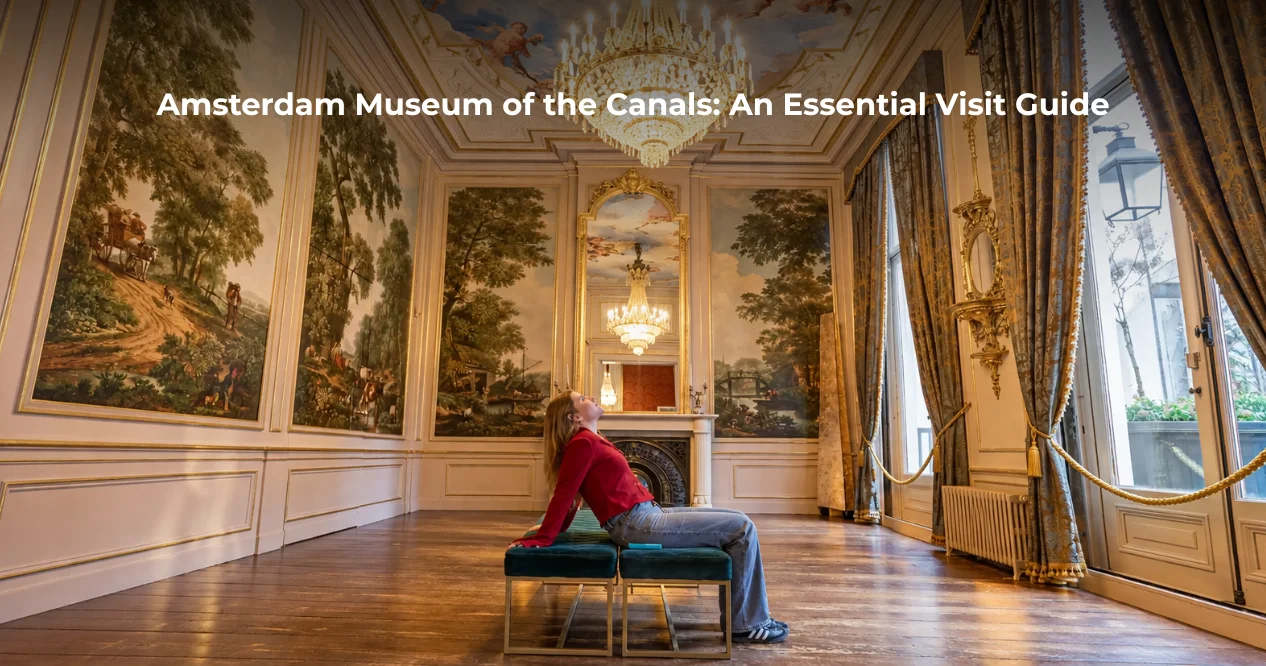
Amsterdam Museum of the Canals, known locally as Het Grachtenmuseum, is a compact museum dedicated to the extraordinary canal ring that has shaped Amsterdam for more than four centuries. Set inside a handsome historic house on Herengracht, it tells the story behind the waterways, merchant houses, bridges and urban planning that make the Dutch capital instantly recognisable.
For travellers who want more than a scenic canal walk, this is an engaging place to understand the city’s layout. The museum explains how Amsterdam expanded during the Dutch Golden Age, how the canals supported trade and transport, and why the Canal Ring is now a UNESCO World Heritage Site. An admission ticket with audiotour adds useful narrative to the rooms and displays, helping visitors connect maps and objects with the streets outside.
What the Amsterdam Museum of the Canals Is
Rather than being a large art museum, the Amsterdam Museum of the Canals is an interpretive experience focused on the city itself. The setting is part of the appeal: visitors move through a 17th-century canal house while learning how an ambitious plan for waterways and residential streets transformed Amsterdam into a major European trading centre.
Exhibits use scale models, historic imagery, maps and audiovisual presentations to make a complex urban story approachable. It is particularly rewarding early in an Amsterdam itinerary, because the context gained here makes later walks, canal cruises and visits to neighbourhood landmarks feel more meaningful.
Main Highlights and What to Expect
The museum’s strongest feature is its ability to turn the Canal Ring from a beautiful backdrop into a readable city plan. Look for the explanations of the semicircular canal system, the role of the Amstel River, the construction of canal houses and the changing lives of the people who lived and worked along the water.
The historic interiors create a sense of place that a conventional gallery cannot easily match. An audiotour lets visitors progress at their own pace, pausing where a room, model or map deserves closer attention. Expect an indoor cultural visit rather than a boat ride, and allow time afterwards to step outside and see the canal landscape with fresh eyes.
How to Plan Your Visit
Build the museum into a central Amsterdam walking day. Herengracht sits in the western part of the Canal Ring, with the Nine Streets, Leidseplein and several major museums within a comfortable walk. Arriving earlier in the day is often a pleasant strategy, especially if you plan to continue exploring narrow canal-side streets before lunch.
Admission conditions, audiotour availability, opening days and seasonal hours can change, so it is sensible to confirm them before finalising your schedule. Check the official website for the latest updates. If you are using a third-party admission product, read the included audiotour instructions and any redemption details before leaving your accommodation.
Current ticket prices can vary by age category, special exhibition arrangements and sales channel. Instead of relying on an old published amount, compare the official museum booking information with the terms of an authorised ticket seller. Pre-booking can make a day in central Amsterdam easier to organise during weekends, school holidays and popular spring or summer periods.
Recommended Visit Duration
Most visitors can enjoy the Amsterdam Museum of the Canals in 60 to 90 minutes. A shorter visit is possible for travellers with a tightly planned itinerary, but the audiotour is most worthwhile when there is enough time to pause at the city models and follow the development of the Canal Ring.
Consider allowing another 20 minutes around the visit for photographs on Herengracht and a gentle walk toward the Nine Streets. The museum is an excellent cultural anchor for a half-day in the canal district rather than an attraction that requires an entire day.
Transport and Arrival Advice
Central Amsterdam is best experienced on foot, and walking is usually the simplest final approach to the museum. From Leidseplein or the Nine Streets, the route takes visitors through some of the most attractive canal scenery in the city. Tram stops in the central area can also reduce walking from wider Amsterdam neighbourhoods, while Amsterdam Centraal is connected to the centre by frequent public transport.
Give yourself a small time buffer for cobbled streets, busy cycle lanes and bridge crossings. Cyclists have priority in many places, so cross designated lanes attentively and avoid stopping unexpectedly in the flow of bicycle traffic. Use a reliable route planner on the day for the most suitable tram and walking combination.
Best Photo Spots
The canal-facing streets around Herengracht provide the most atmospheric photographs. Stand back along the opposite pavement to frame the elegant facades, water and bridges in a single composition, while keeping clear of private entrances and cycle routes. Early morning soft light and the hour before sunset can bring out the texture of the brickwork and reflections.
Inside, photography rules may vary between rooms and exhibitions, so follow posted guidance and ask staff when uncertain. The most satisfying images are often made just after the visit, when the museum’s maps and stories help you notice the proportions of the canal houses, the curve of the waterway and the details of bridges nearby.
Accessibility and Family Planning
The museum occupies a historic Amsterdam canal house, and heritage buildings can present access considerations that differ from modern venues. Visitors using wheelchairs, those who avoid stairs, and travellers requiring a companion or assistance should contact the museum directly before booking. The museum can provide the most reliable current information about entrances, lifts, toilets and assistance arrangements.
Families will find the subject matter most engaging when children are invited to look for canals, bridges and tall narrow houses outside after the visit. The visual displays can help make urban history tangible, particularly for school-age children. Check the official website for the latest updates on child admission, buggy storage and any family-oriented resources.
Common Mistakes to Avoid
- Do not confuse the museum with a canal cruise; it is an indoor museum experience about Amsterdam’s waterways.
- Do not assume historic-building access arrangements without checking directly before arrival.
- Do not rely on outdated opening hours or ticket prices found in old blogs or social posts.
- Do not rush through the audiotour if the museum is your first canal-district activity; its context improves the rest of the day.
- Do not stop in cycle lanes when photographing Herengracht and nearby bridges.
- Do not overlook ticket terms, especially where a booking platform provides separate instructions for an audiotour.
Visitor Tips
- Book ahead when your Amsterdam schedule has limited flexibility.
- Check the official museum calendar shortly before your visit.
- Bring headphones only if your selected audiotour instructions recommend them.
- Wear comfortable shoes for the surrounding cobbles and canal-side walks.
- Allow at least one hour rather than treating the museum as a quick photo stop.
- Visit before exploring the Nine Streets to better understand the neighbourhood’s setting.
- Keep your ticket confirmation accessible on your phone or as a printout.
- Respect photography guidance inside the historic rooms.
- Use pedestrian crossings carefully around Amsterdam’s busy bicycle traffic.
- Contact the museum in advance for current accessibility or family-facility details.
Nearby Things to Do
- Walk through the Nine Streets for independent shops, cafes and canal views.
- Visit the Anne Frank House area along the western Canal Ring, subject to separate timed-entry planning.
- Continue toward Leidseplein for theatres, restaurants and tram links.
- Explore the Rijksmuseum and Museumplein district by tram or a longer walk.
- Take a canal cruise from a central departure point after learning the canal network’s history.
Combine the Canal District Thoughtfully
The museum works especially well as part of a themed day focused on Amsterdam’s waterways, historic streets and cultural landmarks. Travellers comparing several paid experiences may find the tripXOXO CITY Pass useful for shaping a bundled itinerary, but should always review its current inclusions, validity period and reservation requirements before committing to a plan.
Conclusion
Amsterdam Museum of the Canals is a thoughtful, well-located introduction to the ideas behind Amsterdam’s famous waterfront streets. Its historic setting and audiotour transform a casual canal walk into a richer encounter with the city’s architecture, commerce and engineering. Plan a relaxed hour or more, verify current practical details before departure, and leave time to explore Herengracht with a clearer sense of what you are seeing.
Location: Herengracht 386, 1016 CJ Amsterdam, Netherlands, within the historic Canal Ring district.
Recommended duration: Allow around 60 to 90 minutes for the museum and audiotour, with extra time for canal-side photographs.
Best time to visit: Weekday mornings and later afternoons are generally calmer. Check the official website for the latest opening days and entry times.
Getting there: The museum is in central Amsterdam, within walking distance of Leidseplein, the Nine Streets and many tram connections. Plan your final approach on foot through the canal district.
Accessibility: As the museum occupies a historic canal house, visitors with mobility or sensory requirements should review current access information directly with the museum before booking.
Family friendliness: The museum is well suited to curious families and older children interested in maps, models, waterways and Amsterdam history. Parents should check current child ticket and facilities information before visiting.
Frequently Asked Questions:
Q) How can I combine Amsterdam Museum of the Canals with other attractions?
A) Amsterdam Museum of the Canals fits naturally into a Canal Ring walking day. The tripXOXO CITY Pass can be worth considering when you are comparing several eligible experiences in one itinerary. Review the current pass inclusions carefully. Leave enough time between reservations for walking, queues and Amsterdam’s lively streets.
Q) Is the museum busy during tulip season?
A) Spring brings high visitor numbers across Amsterdam, including the central canal district. The museum may be a welcome cultural pause between outdoor activities. Booking ahead can reduce uncertainty on popular dates. Check the official site and your ticket terms for the latest entry arrangements.
Q) Can attraction passes save money during an Amsterdam visit?
A) Savings depend on the attractions you actually plan to visit and the pass terms available for your dates. The tripXOXO CITY Pass is a practical option to compare against separately purchased entries. Read its current eligibility rules before buying. A pass has the best value when its included experiences match your genuine interests and schedule.
Q) How should I plan multiple Amsterdam experiences in one day?
A) Start with a map and group activities by neighbourhood, especially around the Canal Ring. The tripXOXO CITY Pass can support multi-attraction planning if its current selection suits your itinerary. Confirm timed-entry requirements individually. Keep generous travel time so a museum visit does not become rushed by a later reservation.
Q) What is Amsterdam Museum of the Canals?
A) Amsterdam Museum of the Canals is a museum about the creation and significance of Amsterdam’s historic waterways. It is housed in a canal house on Herengracht. Exhibits explore urban planning, trade, architecture and daily life. The visit gives useful context for understanding the UNESCO-listed Canal Ring.
Q) Where is Amsterdam Museum of the Canals located?
A) The museum is located at Herengracht 386 in central Amsterdam. It sits within the historic Canal Ring, near the Nine Streets and within walking distance of Leidseplein. The surrounding streets are scenic but can be busy. Allow a little extra time for canal bridges and pedestrian traffic on arrival.
Q) Do I need to book tickets in advance?
A) Advance booking can make planning easier during popular travel periods and weekends. It is especially useful when the rest of your day includes timed activities. Availability and entry arrangements can change. Check the official museum website or your authorised ticket provider before finalising your Amsterdam schedule.
Q) How much do tickets for Amsterdam Museum of the Canals cost?
A) Ticket prices can vary by visitor category, booking channel and current museum policy. It is better to verify the live price rather than use an old figure from a travel article. Some providers package an audiotour with admission. Check exactly what your chosen ticket includes before payment.
Q) When is the best time to visit the museum?
A) Weekday mornings often provide a calmer start, particularly outside major holiday periods. Later afternoon can also work well if you want to photograph the canals in softer light afterwards. Opening patterns can vary seasonally. Check the official website for the latest updates before choosing a time.
Q) What does the audiotour add to the visit?
A) An audiotour can add narrative detail to the museum’s maps, models and historic interiors. It helps explain why the Canal Ring was built and how it developed over time. This is useful for first-time visitors to Amsterdam. Review your ticket instructions for the current language and device arrangements.
Q) Is Amsterdam Museum of the Canals a canal cruise?
A) The museum is an indoor attraction and does not operate as a canal cruise. Its purpose is to explain the history and design of the waterways from a historic house. A cruise can complement the visit later in the day. Treat the two experiences as different ways to understand the same city landscape.
Q) Why is Amsterdam’s Canal Ring important?
A) Amsterdam’s Canal Ring represents a major 17th-century achievement in urban planning, water management and commerce. Its concentric waterways helped organise residential districts, transport and trade. UNESCO recognises the area for its cultural and historic significance. The museum explains these ideas through a focused local lens.
Q) What are the best photo locations near the museum?
A) Herengracht is the most immediate place to photograph canal houses, bridges and water reflections. The opposite pavement can give a wider view of the facade and canal. Be mindful of bicycles and residents. Morning and late-day light often create more attractive colour and texture in the streetscape.
Q) Is Amsterdam Museum of the Canals accessible for wheelchair users?
A) The museum is located in a historic canal house, so access should be confirmed before travel. Heritage buildings may have specific entrance, lift or route considerations. Contact the museum directly with your requirements. Staff can provide the most current guidance on accessible facilities and practical assistance.
Q) Is the museum suitable for children?
A) The museum can suit school-age children who enjoy maps, models and stories about how cities work. Its indoor setting is useful on rainy Amsterdam days. Younger children may benefit from a shorter, interactive-paced visit. Parents should check current child admission and facility information before booking.
Q) What should I wear for a museum visit in Amsterdam?
A) Comfortable footwear is the most useful choice because canal-district pavements, bridges and cobbles encourage walking. Amsterdam weather can change quickly, so bring a light waterproof layer when rain is forecast. The museum itself is an indoor cultural venue. There is no need for formal clothing.
Q) What happens if it rains on my visit day?
A) The museum is a strong rainy-day option because the main experience is indoors. Rain can make the canal streets slippery, however, especially around bridges and cobbles. Carry an umbrella or waterproof jacket for the walk there. Allow a little more travel time if conditions are wet.
Q) Should I check official information before visiting?
A) Official information is the best source for current opening times, ticket categories, accessibility details and visitor rules. Third-party listings can be useful for comparisons, but may not update immediately. Review your confirmation carefully if you booked through a reseller. Checking shortly before travel helps prevent avoidable surprises.
Q) Can I visit the museum after exploring the Nine Streets?
A) The Nine Streets are close enough to combine easily with the museum on foot. Visiting the museum first can provide historical context for the canal-side neighbourhood. Visiting afterwards is equally convenient if you prefer shopping or coffee earlier. Check entry times so your wandering does not make you late.
Q) How do I get to the museum from Amsterdam Centraal?
A) From Amsterdam Centraal, visitors can reach the Canal Ring by tram, bus, taxi, bicycle or a longer walk. The best route depends on luggage, weather and your exact departure point. Use a live public transport planner on the day. Finish the journey on foot to navigate the smaller canal streets comfortably.
Q) Are public transport tickets needed for the final approach?
A) Many visitors can walk the final stretch because the museum is centrally located. Public transport is helpful when arriving from distant neighbourhoods, Amsterdam Centraal or Museumplein. GVB route information can assist with current tram planning. Build in walking time from the nearest stop to Herengracht.
Q) Are large bags allowed inside the museum?
A) Bag policies may depend on security, storage capacity and current museum operations. It is wise to travel with only what you need for a short cultural visit. Check the official visitor information if you have a suitcase or oversized backpack. Central Amsterdam is easier to navigate without bulky luggage.
Q) What common planning mistake should I avoid?
A) A frequent mistake is treating the museum as a quick stop without allowing time for the audiotour. Another is relying on outdated hours or prices from old online listings. Confirm current details through official channels. Also plan safely around cycle lanes when walking and photographing nearby.
Q) Can I visit Amsterdam Museum of the Canals in winter?
A) Winter can be a pleasant season for an indoor museum visit, particularly when the canal district is cold or rainy. Daylight is shorter, so plan exterior photographs earlier where possible. Holiday periods can still be busy. Check the official calendar for current seasonal opening information.