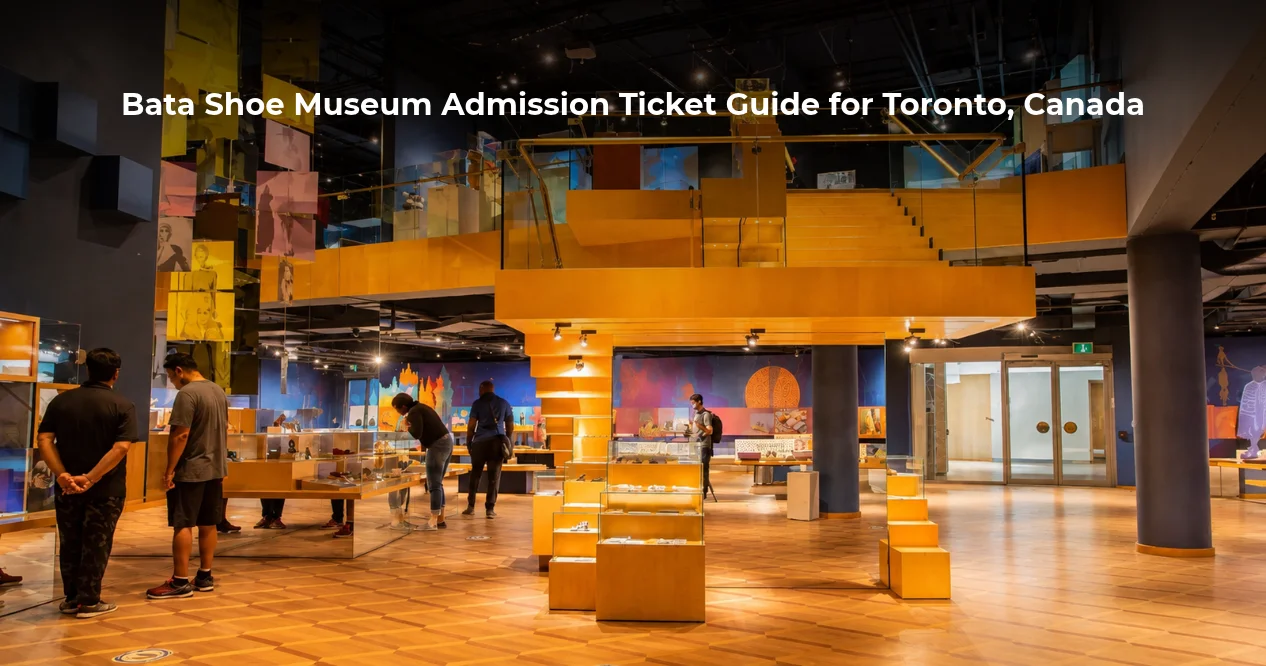
The Bata Shoe Museum is one of Toronto's most unusual and rewarding specialist museums. Located on Bloor Street West near the Royal Ontario Museum, it uses footwear to tell stories about craft, status, sport, identity, ceremony and everyday life. An admission ticket opens the door to a collection that ranges across centuries and continents, making this a strong choice for travellers who want a cultural stop beyond Toronto's headline attractions.
What the Bata Shoe Museum Is
Founded from the collection of Sonja Bata, the museum is dedicated to the history and cultural meaning of footwear. Its galleries bring together shoes, boots, sandals and related objects from different societies, alongside rotating exhibitions that may focus on designers, particular periods or contemporary themes. The experience is less about shopping or celebrity display and more about seeing how a familiar object can reveal social history and personal expression.
Main Highlights and What to Expect
The permanent collection provides the broad historical framework, while temporary shows give repeat visitors a reason to return. Expect carefully displayed objects, interpretive text and a calm indoor route through several galleries. The museum is compact enough to feel manageable, yet detailed enough that visitors interested in costume, design or anthropology can spend longer reading labels and studying craftsmanship.
Footwear associated with different climates, occupations, rituals and fashion movements creates the central visual appeal. Rather than rushing from one large installation to another, this is a place for close observation. The most memorable discoveries are often the small details: materials, embellishment, wear patterns and the contrast between practical shoes and highly ceremonial pieces.
How to Plan Your Visit
Start by checking the official Bata Shoe Museum website for current opening days, gallery notices, admission categories and advance ticket guidance. Exhibition schedules can change, and special programming may affect the experience. If you are considering the TripXOXO admission product, read its inclusions, redemption instructions and cancellation terms carefully before purchase, then compare them with the museum's own current visitor information.
Ticket prices and any discounts can change, particularly for students, seniors, children, groups or special events. It is best to treat the official museum ticket page as the final authority rather than relying on older travel listings. Check the official website for the latest updates before committing to a date.
For most travellers, arriving shortly after opening or during a quieter weekday window makes the galleries easier to enjoy at an unhurried pace. The museum sits in a highly walkable part of central Toronto, so it combines naturally with Yorkville, the Royal Ontario Museum or an afternoon around the University of Toronto.
Transport and Arrival Advice
Museum station is the most convenient TTC subway stop for many visitors, placing the museum within a short walk on Bloor Street. Toronto's downtown can also be explored on foot if you are already around Yorkville, Queen's Park or the University of Toronto. Drivers should plan parking separately, since central-city availability and prices vary; public transport is often the simpler option.
Leave a little extra time for winter weather, downtown traffic or navigating a new subway system. Once you reach the Bloor Street entrance, a brief orientation at reception helps confirm the current gallery sequence, visitor guidance and facilities available on the day.
Best Photo Spots
The museum's exterior on Bloor Street makes a useful arrival photograph, particularly when paired with the surrounding heritage and institutional architecture. Inside, photograph only where current gallery rules permit, and avoid flash where it is restricted to protect sensitive objects. Close, respectful images of exhibition design, display details and permitted footwear displays tend to work better than trying to capture every gallery in one wide frame.
For neighbourhood photographs, Bloor Street, the University of Toronto streetscape and nearby Yorkville offer attractive city backdrops before or after the visit. Be considerate of other visitors and do not block narrow viewing areas while setting up a shot.
Accessibility and Family Planning
The Bata Shoe Museum publishes visitor information for guests who need accessibility support. Because requirements vary, travellers using mobility aids or needing detailed information about entry, lifts, seating, service animals or sensory conditions should contact the museum directly before visiting. That simple step is the best way to receive advice that reflects current operations.
Families can approach the museum as a visual treasure hunt, asking children to spot unfamiliar materials, unusual shapes and shoes made for different purposes. The galleries are indoors and relatively contained, which can be helpful in poor weather. Build in breaks and keep expectations flexible if younger visitors prefer a shorter visit.
Common Mistakes to Avoid
A common mistake is assuming the museum is only for fashion specialists. Its strongest appeal is broader: shoes provide a route into migration, technology, class, work and cultural traditions. Another is arriving with an outdated schedule or ticket assumption, so confirm current information directly with the museum.
Visitors also sometimes underestimate how close the museum is to other major Toronto sights. Planning it as an isolated stop can mean missing an easy, well-paced museum district itinerary. Finally, do not assume photography rules are permanent from one exhibition to the next; follow the notices in each space.
Visitor Tips
- Check the official website shortly before travel for current hours and exhibition information.
- Allow 90 minutes to two hours for a satisfying first visit.
- Use Museum station for a convenient TTC subway arrival.
- Read third-party ticket terms before purchasing an admission product.
- Visit earlier in the day for a more leisurely gallery pace.
- Ask staff about current photography guidance before taking pictures.
- Wear comfortable footwear for combining the museum with nearby walks.
- Keep outerwear practical during Toronto's colder months.
- Contact the museum ahead of time for specific accessibility requirements.
- Look at the temporary exhibition programme before choosing your date.
Nearby Things to Do
- Visit the Royal Ontario Museum, a short walk from the Bata Shoe Museum.
- Stroll through Yorkville's boutiques, galleries and streetscapes.
- Explore the University of Toronto's historic downtown campus.
- Spend time in Queen's Park and around the Ontario Legislative Building.
- Continue along Bloor Street for cafés, bookstores and city views.
Travellers building a fuller Toronto cultural day can combine the Bata Shoe Museum with nearby museums and neighbourhood walks. The tripXOXO CITY Pass may be worth considering when its current participating attractions and conditions match your itinerary, particularly if you prefer arranging several experiences through one planning route.
Conclusion
The Bata Shoe Museum rewards curiosity. Its focused subject becomes a surprisingly wide lens on global history, design and daily life, while its Bloor Street location makes it easy to add to a Toronto itinerary. Confirm the latest visitor details, give yourself time to look closely, and pair the visit with the excellent cultural sights nearby.
Location: 327 Bloor Street West, Toronto, Ontario, Canada, near Museum station, the Royal Ontario Museum and Yorkville.
Recommended duration: Allow approximately 90 minutes to two hours for the galleries and museum shop.
Best time to visit: Weekday mornings or early afternoons are often the most relaxed periods. Check the official website for current opening days and seasonal updates.
Getting there: Museum station on Toronto's TTC subway is a short walk away, while several downtown streetcar and bus connections serve the wider area.
Accessibility: The museum provides accessibility information through its official visitor guidance. Contact the museum before travelling if specific mobility, sensory or assistance requirements apply.
Family friendliness: The compact scale, visual displays and story-led objects can suit families, especially visitors interested in fashion, history and world cultures.
Frequently Asked Questions:
Q) How can I combine the Bata Shoe Museum with other Toronto attractions?
A) The Bata Shoe Museum fits easily into a museum-district day near Yorkville and the Royal Ontario Museum. The tripXOXO CITY Pass can be considered when its current attraction selection suits your route. Check each venue's availability before building a timed itinerary.
Q) What nearby neighbourhood should I explore after the museum?
A) Yorkville is a natural choice because it is close and easy to explore on foot. Its streets offer galleries, dining and attractive architecture. The University of Toronto and Queen's Park area are also nearby alternatives.
Q) Can attraction passes help save money around the Bata Shoe Museum?
A) Pass value depends on which attractions you genuinely plan to visit and on current pass conditions. The tripXOXO CITY Pass may offer useful combined planning options for eligible Toronto experiences. Compare its inclusions with individual admission costs before purchasing.
Q) What is the best way to plan multiple experiences with the Bata Shoe Museum?
A) Choose the museum as a calm indoor stop between nearby sightseeing activities. The tripXOXO CITY Pass can support a multi-attraction plan when its participating venues align with your schedule. Confirm booking requirements for every experience before finalising the day.
Q) Should I book Bata Shoe Museum admission in advance?
A) Advance planning is sensible when visiting on a fixed date or during a busy travel period. The museum's official website provides the most reliable current ticket guidance. Third-party products should also be checked for redemption instructions and availability.
Q) How long should I spend at the Bata Shoe Museum?
A) Most first-time visitors enjoy the museum in around 90 minutes to two hours. Design enthusiasts may want longer for temporary exhibitions and detailed labels. A shorter visit is still possible if you focus on the permanent highlights.
Q) Where is the Bata Shoe Museum located in Toronto?
A) The museum stands at 327 Bloor Street West in central Toronto. It is close to Museum station, the Royal Ontario Museum and Yorkville. This setting makes it convenient to combine with other downtown cultural activities.
Q) What is the easiest public transport option for the museum?
A) Museum station on the TTC subway is a particularly convenient arrival point. The walk from the station is short and straightforward for most visitors. Check TTC service notices if travelling during construction, events or severe weather.
Q) Is the Bata Shoe Museum suitable for children?
A) Children who enjoy visual objects, costume or history can find plenty to notice in the galleries. The museum's compact size helps families avoid an exhausting full-day commitment. Adults can make the visit engaging by discussing materials, jobs and cultures.
Q) Can I take photographs inside the Bata Shoe Museum?
A) Photography permissions may differ between galleries and temporary exhibitions. Check signs and ask staff for current guidance when you arrive. Avoid flash whenever it is prohibited, and remain considerate of other people viewing displays.
Q) Is the Bata Shoe Museum accessible for wheelchair users?
A) The museum provides accessibility guidance through its official visitor information. Guests with particular mobility or access needs should contact the venue before travelling. Direct confirmation is useful because facilities and operational arrangements can change.
Q) What common planning error should I avoid?
A) Avoid relying on old online opening hours or outdated ticket prices. The museum's official website provides the most dependable pre-visit details. Also leave enough time to enjoy the galleries rather than treating them as a quick photo stop.
Q) What happens if the weather is bad in Toronto?
A) The Bata Shoe Museum is a useful indoor cultural option during rain, snow or extreme temperatures. Allow extra time for travel if conditions affect walking or transit. Nearby museums and cafés can help create a weather-friendly day.
Q) Are there changing exhibitions at the Bata Shoe Museum?
A) The museum presents temporary exhibitions alongside its collection-based displays. These shows can change the emphasis of a visit and may appeal to repeat guests. Review the official exhibition page before choosing your travel date.
Q) Is the museum worth visiting for people who are not interested in fashion?
A) The galleries connect footwear with social history, work, belief, sport and global culture. That wider perspective gives the museum appeal beyond fashion fans. Visitors often find the objects engaging because they relate to familiar everyday experiences.
Q) Can I visit the Bata Shoe Museum and Royal Ontario Museum together?
A) The two museums are close enough to combine on the same day. Give each attraction its own unhurried time block rather than trying to rush both. Checking current hours beforehand will help determine the most comfortable order.
Q) Are food and drinks available at the Bata Shoe Museum?
A) Food arrangements and nearby options can change, so check the museum's official visitor information before relying on on-site facilities. Yorkville and Bloor Street offer many places to eat nearby. Plan a meal before or after your gallery visit.
Q) Is the Bata Shoe Museum a good addition to a first Toronto trip?
A) It is a distinctive addition for travellers seeking a smaller, more focused museum experience. Its central location makes it easy to include without crossing the city. Pair it with nearby landmarks for a balanced first-day itinerary.
Q) Is a weekday visit better than a weekend visit?
A) Weekdays often provide a calmer pace, especially earlier in the day. Weekends can still work well for travellers with limited time. Your best choice depends on current opening hours, exhibitions and the rest of your Toronto schedule.
Q) Can I bring a backpack into the museum?
A) Bag rules may depend on gallery protection requirements and current operations. Travel with a manageable day bag and follow staff directions on arrival. Checking the museum's visitor guidance in advance prevents last-minute surprises.
Q) Are there places to sit during the visit?
A) Seating availability can vary by gallery layout and exhibition design. Visitors who need regular rests should contact the museum before their trip. Staff can provide the most current practical guidance for individual access needs.
Q) What is the best time of year to visit the Bata Shoe Museum?
A) The museum is an indoor attraction that works throughout the year. Winter visits are especially appealing when outdoor sightseeing feels less comfortable. Summer visitors can pair it with walks through Yorkville and the University of Toronto area.
Q) Do I need to understand shoe history before visiting?
A) No specialist knowledge is necessary to appreciate the displays. Labels and exhibition narratives provide useful context as you move through the museum. Curiosity about design, culture and everyday objects is more important than prior expertise.
Q) Can the Bata Shoe Museum work as a rainy-day Toronto activity?
A) Its indoor galleries make it a strong choice when Toronto weather disrupts outdoor plans. The location also connects easily with other central indoor attractions. Check transport conditions if snow or heavy rain is affecting the city.