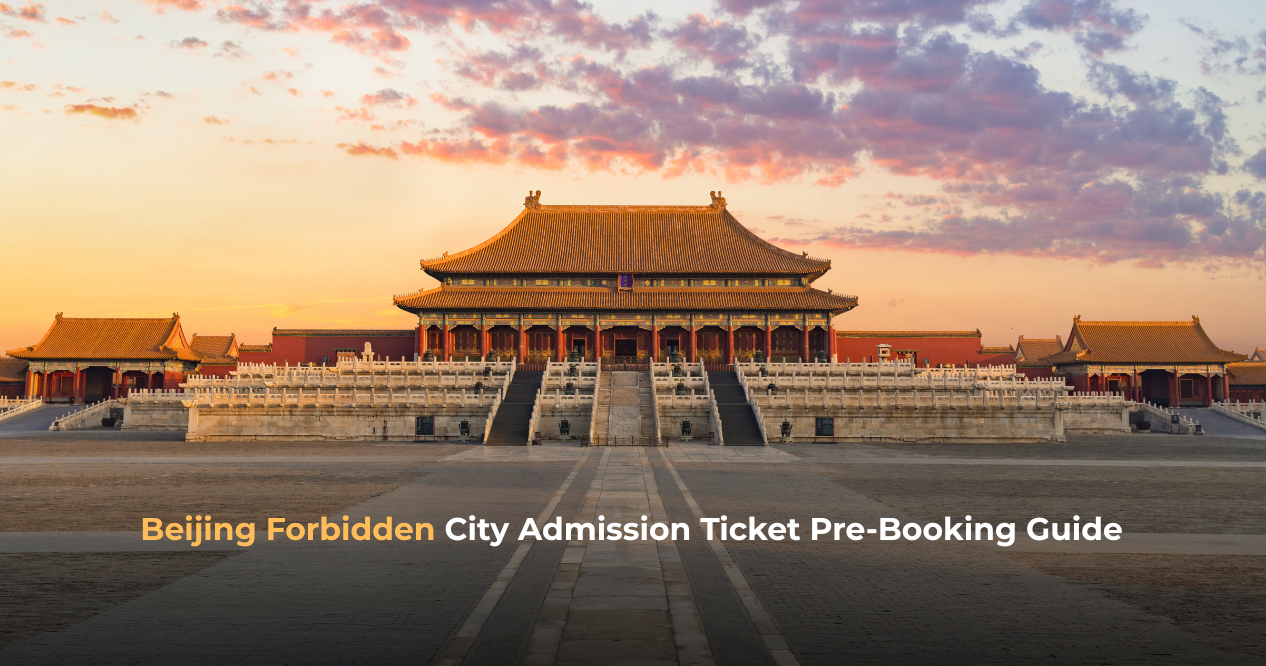
The Forbidden City, officially operated by the Palace Museum in Beijing, China, is one of the country's most iconic cultural landmarks. Located just north of Tiananmen Square, this vast imperial complex served as the political and ceremonial center of China for centuries. Today, it attracts visitors from around the world who come to experience its extraordinary architecture, collections, and historical significance.
What Is the Forbidden City?
The Forbidden City is a UNESCO World Heritage Site and one of the best-preserved palace complexes in the world. Built during the Ming Dynasty, it contains hundreds of buildings, ceremonial halls, residential palaces, courtyards, and museum exhibitions. Walking through the complex offers insight into imperial life, court traditions, and Chinese history.
Why Pre-Booking Matters
Visitor demand is extremely high throughout the year, especially during weekends, holidays, and peak travel seasons. The Palace Museum operates a reservation-based admission system, making advance planning essential. Ticket availability can be limited, so many travelers use a pre-booking service to secure entry before arriving in Beijing.
Admission policies, ticket categories, and reservation procedures can change over time. Check the official Palace Museum website for the latest updates before finalizing travel plans.
Highlights of the Forbidden City
- The Meridian Gate, the grand southern entrance to the complex.
- The Hall of Supreme Harmony, one of the most important ceremonial structures.
- The vast central courtyards and imperial ceremonial spaces.
- The Palace of Heavenly Purity and residential palace areas.
- The Imperial Garden, known for traditional landscaping and historic pavilions.
- Special exhibitions and museum collections within the Palace Museum.
What to Expect During Your Visit
A visit typically begins at the southern entrance and follows a northbound route through the palace complex. Visitors pass through monumental gates, expansive courtyards, and richly decorated halls that showcase traditional Chinese architecture. Along the way, exhibition spaces display imperial artifacts, artworks, and historical treasures.
The site covers a large area, so expect extensive walking. Comfortable footwear and a well-planned route can significantly improve the experience.
Best Photo Spots
- The Meridian Gate entrance area.
- The Hall of Supreme Harmony courtyard.
- Elevated viewpoints from Jingshan Park overlooking the palace roofs.
- The Imperial Garden's traditional pavilions.
- Symmetrical palace corridors and ceremonial pathways.
How Long Should You Spend?
Most visitors spend between three and five hours exploring the main route. History enthusiasts often dedicate a full day to appreciate exhibitions, architecture, and lesser-visited sections of the museum complex.
How to Plan Your Visit
Reserve admission as early as possible, especially during busy periods. Arrive early in the day to avoid larger crowds and allow time for security procedures. Consider pairing the visit with nearby landmarks such as Tiananmen Square or Jingshan Park. Reviewing the palace layout beforehand can help prioritize areas of interest.
For travelers who prefer organized arrangements, a pre-booking service may simplify the reservation process. If available for your travel dates, you can secure entry in advance through authorized providers. For current availability, consider checking options here: [Add booking link].
Ticketing, Pricing, and Timings
The Palace Museum uses timed and reservation-based visitor management. Admission prices, seasonal schedules, exhibition access, and visitor policies may vary. Rather than relying on outdated information, travelers should verify current details through official sources before visiting.
Check the official website for the latest ticket prices, operating hours, reservation requirements, and holiday schedules.
Common Mistakes to Avoid
- Waiting until the last minute to reserve admission.
- Underestimating the size of the palace complex.
- Arriving without checking current visitor policies.
- Skipping nearby viewpoints such as Jingshan Park.
- Planning too many attractions on the same day.
- Not carrying identification required for reservations.
Visitor Tips
- Reserve admission well in advance.
- Arrive early for a quieter experience.
- Wear comfortable walking shoes.
- Carry water during warmer months.
- Review the palace map beforehand.
- Allow extra time for security checks.
- Bring a camera with sufficient battery life.
- Visit major halls before peak crowds build.
- Check exhibition availability before arrival.
- Monitor official announcements for schedule changes.
Nearby Things to Do
- Explore Tiananmen Square.
- Visit Jingshan Park for panoramic views.
- Discover Beihai Park.
- Walk through Wangfujing shopping district.
- Visit the National Museum of China.
Travelers planning multiple sightseeing experiences in Beijing often look for bundled attraction options to simplify logistics and reduce costs. Depending on availability and participating attractions, the tripXOXO CITY Pass may provide a convenient way to organize a broader Beijing itinerary alongside a Forbidden City visit.
Frequently Asked Questions
Location: Palace Museum (Forbidden City), Dongcheng District, Beijing, China
Recommended duration: 3–5 hours
Best time to visit: Spring and autumn for comfortable weather and clearer sightseeing conditions
Getting there: Accessible by Beijing Subway and public transport near Tiananmen area
Accessibility: Some routes are accessible, though the historic site includes large walking areas and uneven surfaces
Family friendliness: Suitable for families interested in history, culture, and architecture
Frequently Asked Questions:
Q) Can I combine the Forbidden City with other Beijing attractions to save money?
A) Many travelers build a full Beijing itinerary rather than booking attractions individually. Bundled planning can make sightseeing more convenient across several days. Depending on current offers and participating attractions, the tripXOXO CITY Pass may provide a practical way to organize visits while managing overall travel costs.
Q) Is advance planning more important during holidays?
A) Holiday periods can bring significantly higher visitor demand. Reservations and logistical arrangements may become more competitive. Early preparation generally provides more flexibility and peace of mind.
Q) How do travelers usually plan multiple attractions around the Forbidden City?
A) Many visitors combine cultural sites, parks, and museums into a single itinerary. This approach helps maximize time in central Beijing and reduces unnecessary travel between districts. Some travelers explore the tripXOXO CITY Pass as part of their broader sightseeing strategy.
Q) What is the benefit of bundled attraction planning in Beijing?
A) A well-structured sightseeing plan can make a busy travel schedule more efficient. Travelers often appreciate having access to several experiences through a coordinated booking approach. Where available, the tripXOXO CITY Pass may offer added convenience for multi-attraction visits.
Q) How far in advance should I arrange admission?
A) Planning ahead is strongly recommended because demand can be high throughout the year. Popular travel periods often see increased competition for reservations. Securing arrangements early helps avoid unnecessary disappointment during your trip.
Q) Is the Forbidden City suitable for history lovers?
A) The site is widely regarded as one of the most important historical landmarks in China. Its architecture, collections, and imperial heritage provide substantial depth for cultural exploration. Visitors interested in dynastic history often consider it a highlight of Beijing.
Q) What should I wear when visiting?
A) Comfortable clothing and supportive footwear are generally the best choices. The complex covers a large area and involves considerable walking. Seasonal weather conditions should also be considered when planning your outfit.
Q) Is photography allowed inside the Forbidden City?
A) Photography is popular throughout many outdoor areas of the complex. Certain exhibitions or interior spaces may have specific restrictions. Reviewing current visitor guidelines before arrival is a sensible approach.
Q) What is the most famous building in the complex?
A) Many visitors are drawn to the Hall of Supreme Harmony because of its ceremonial importance. The building represents imperial power and traditional architectural design. It is often one of the most photographed locations within the site.
Q) Are guided tours worthwhile?
A) Guided experiences can provide valuable historical context that is difficult to gain independently. Professional guides often explain symbolism, court traditions, and architectural details. Travelers with a strong interest in history frequently find tours rewarding.
Q) How much walking should I expect?
A) The palace complex is extensive and requires significant walking. Visitors often spend several hours moving between gates, halls, and exhibition areas. Comfortable footwear can greatly improve the experience.
Q) Why do travelers use a pre-booking service?
A) Some visitors prefer assistance with reservation logistics before arriving in Beijing. A pre-booking service can simplify planning when demand is high. Convenience is often the primary reason travelers choose this option.
Q) Can I visit during winter?
A) Winter visits can offer a different atmosphere with fewer crowds in some periods. The historic architecture remains impressive throughout the year. Weather conditions should be reviewed before finalizing plans.
Q) What makes the Forbidden City so important?
A) The complex served as the seat of imperial authority for centuries. Its cultural significance extends beyond architecture to politics, art, and ceremonial traditions. It remains one of China's most recognizable heritage sites.
Q) Should I visit Jingshan Park after the palace?
A) Many travelers consider Jingshan Park an excellent addition to the itinerary. The elevated viewpoints provide memorable views across the palace rooftops. It also offers a different perspective on the scale of the complex.
Q) Is the site appropriate for solo travelers?
A) Solo visitors often appreciate the flexibility to explore at their own pace. The clear visitor route makes independent sightseeing relatively straightforward. Audio guides or guided tours can add extra context if desired.
Q) Can I learn about Chinese architecture here?
A) The palace complex is an outstanding place to observe traditional architectural principles. Decorative details, symmetry, and ceremonial layouts are visible throughout the site. Many visitors leave with a deeper appreciation of historical design.
Q) Where can I find the latest visitor information?
A) Official sources remain the most reliable place for current details. Policies, schedules, and reservation procedures can change over time. Reviewing the Palace Museum's official website before your visit is recommended.
Q) What time of day is best for photography?
A) Many photographers prefer softer light conditions earlier in the day. Morning visits can also provide opportunities before peak visitor numbers arrive. Weather conditions naturally influence photographic results.
Q) Can I explore the entire complex in one visit?
A) Most travelers focus on the primary visitor route and major landmarks. The size of the site means that a comprehensive exploration can take considerably longer. Personal interests often determine how much time is needed.
Q) Is it worth visiting if I have limited time in Beijing?
A) The Forbidden City is often prioritized by visitors with short itineraries because of its historical importance. Even a few hours can provide a meaningful introduction to imperial China. Efficient planning helps maximize the experience.
Q) What should I bring with me?
A) Practical essentials typically include identification, comfortable footwear, and weather-appropriate items. Water and a charged phone can also be useful during a long visit. Preparation contributes to a smoother experience.
Q) Can architecture enthusiasts spend an entire day here?
A) Many architecture enthusiasts find enough detail to occupy a full day. Decorative elements, ceremonial layouts, and historical construction techniques reward close observation. Additional exhibitions can further extend the visit.
Q) How does the Forbidden City compare with other world heritage sites?
A) Its scale, preservation, and historical significance place it among the world's most notable cultural landmarks. The complex offers a rare glimpse into centuries of imperial governance. Many international visitors consider it a cornerstone attraction in China.