Imagine swimming in impossibly blue Adriatic waters, wandering through ancient stone streets, and discovering secret beaches that feel like your own private paradise. Now imagine doing it all without overspending, battling enormous crowds, or falling into tourist traps. Sounds dreamy, right? Welcome to Croatia!
From Dubrovnik's medieval walls to Split's buzzing waterfront and the breathtaking islands scattered along the Dalmatian Coast, Croatia is packed with incredible experiences. But here's the secret: knowing a few clever travel hacks can completely transform your trip.
Whether you're planning your first Croatian adventure or returning to explore somewhere new, these insider-inspired tips will help you save money, discover hidden gems, and experience the country beyond the usual tourist trail.
1. Visit Croatia at the Right Time to Save Money and Avoid Crowds
Timing is everything when planning a Croatian getaway. While July and August bring glorious sunshine and lively beach scenes, they also attract the biggest crowds and some of the highest accommodation prices.
Want beautiful weather without the peak-season chaos? Consider visiting during May, June, September, or early October.
Why these months are worth considering:
- May: Excellent for sightseeing, hiking, and exploring historic towns before the summer rush.
- June: Longer sunny days, increasingly warm swimming conditions, and a lively coastal atmosphere.
- September: Warm Adriatic waters, fewer holidaymakers, and a wonderful time for island hopping.
- Early October: A quieter atmosphere, pleasant sightseeing temperatures, and potential accommodation bargains.
September is particularly appealing for travelers who want to combine swimming, sightseeing, and relaxed evenings by the sea.
Travel Tip: Accommodation prices can vary dramatically between coastal destinations and travel dates. Compare stays in nearby towns rather than automatically booking inside Dubrovnik or Split's historic centers. You'll sometimes find better value just a short bus ride away.
2. Master Croatia's Island-Hopping Scene Without Overspending
With more than 1,200 islands, islets, and reefs, Croatia is practically made for island adventures. But here's something many first-time visitors discover too late: you don't need an expensive private yacht to experience the magic.
Public ferries and catamarans connect numerous coastal destinations, making independent island hopping surprisingly manageable.
Discover Hvar Beyond the Party Scene
Hvar might be famous for glamorous beach clubs and lively nightlife, but there's another side to this beautiful island.
Explore the quieter streets of Stari Grad, one of Europe's oldest continuously inhabited towns, or wander through traditional villages surrounded by olive groves and vineyards.
For spectacular views, climb to the fortress overlooking Hvar Town. The panorama across the Pakleni Islands is unforgettable.
Escape to Vis for Authentic Island Charm
Looking for somewhere that feels a little more secluded? Vis deserves a place on your itinerary.
This island is known for its relaxed atmosphere, traditional fishing villages, and beautiful swimming spots.
Don't miss Stiniva Beach, a dramatic cove framed by towering limestone cliffs. Access involves a steep, rocky descent, so sturdy footwear is essential.
Nearby Biševo Island is also famous for its Blue Cave, where sunlight creates a remarkable glowing-blue effect inside the cavern.
Travel Tip: Book popular summer ferry journeys early, especially when traveling with a vehicle. Check routes and schedules directly with operators such as Jadrolinija and Krilo because services vary by season, and some connections operate only during warmer months.
Explore Korčula for Wine, History, and Hidden Beaches
Korčula combines medieval architecture with vineyards, quiet coves, and a wonderfully laid-back atmosphere.
Wander through Korčula Old Town's narrow stone streets, sample local white wines such as Pošip and Grk, and explore the island's smaller coastal villages.
For a slower-paced afternoon, visit Lumbarda, where sandy beaches and family-run wineries offer a refreshing change from Croatia's busier resorts.
3. Explore Dubrovnik and Split Like a Local
Croatia's historic coastal cities are spectacular, but their popularity means smart planning can make a huge difference.
Dubrovnik: Beat the Crowds in the Old Town
Dubrovnik's magnificent medieval walls and terracotta rooftops make it one of Europe's most recognizable destinations.
Unfortunately, cruise ship arrivals and summer tour groups can make the narrow streets incredibly busy.
The solution? Start early.
Explore the Old Town in the morning before the busiest sightseeing period, then enjoy quieter neighborhoods or swimming spots later in the day.
Walking Dubrovnik's city walls is a highlight, offering sweeping views across the Adriatic and the historic center.
For a different perspective, head toward Mount Srđ, where panoramic views stretch across the coastline and nearby islands.
Travel Tip: If you're planning to visit several paid attractions, compare the current Dubrovnik Pass price with individual admission fees. It can offer savings, particularly when city-wall entry and additional attractions are on your itinerary.
Split: Discover Ancient History and Local Life
Split is far more than a convenient departure point for ferries.
Its historic center grew around Diocletian's Palace, a remarkable Roman complex that remains woven into everyday city life.
Explore its atmospheric passageways, admire the Peristyle, and enjoy an evening stroll along the Riva waterfront.
For something different, walk through Marjan Forest Park, where pine-shaded trails lead to scenic viewpoints overlooking Split and the surrounding islands.
Food lovers should also explore the local markets, including the Green Market, known locally as Pazar.
Travel Tip: Staying near Split's old town can eliminate the need for taxis when exploring central attractions. However, check whether your accommodation requires climbing stairs or walking through pedestrian-only streets, especially when carrying heavy luggage.
4. Discover Croatia's Hidden Gems Beyond the Famous Coast
Dubrovnik, Hvar, and Split deserve their popularity, but some of Croatia's most memorable experiences happen away from the biggest tourist hotspots.
Rovinj: Mediterranean Romance in Istria
Located on the Istrian Peninsula, Rovinj is a picturesque coastal town filled with colorful buildings, cobbled lanes, and waterfront restaurants.
Climb toward the Church of St. Euphemia for fantastic views, then spend the afternoon exploring the coastline.
Istria is also one of Croatia's standout culinary regions.
Look for local olive oil, truffles, fresh seafood, and regional wines such as Malvazija Istarska.
For an unforgettable experience, consider joining a guided truffle-hunting excursion around Motovun or Buzet.
Plitvice Lakes: Croatia's Natural Masterpiece
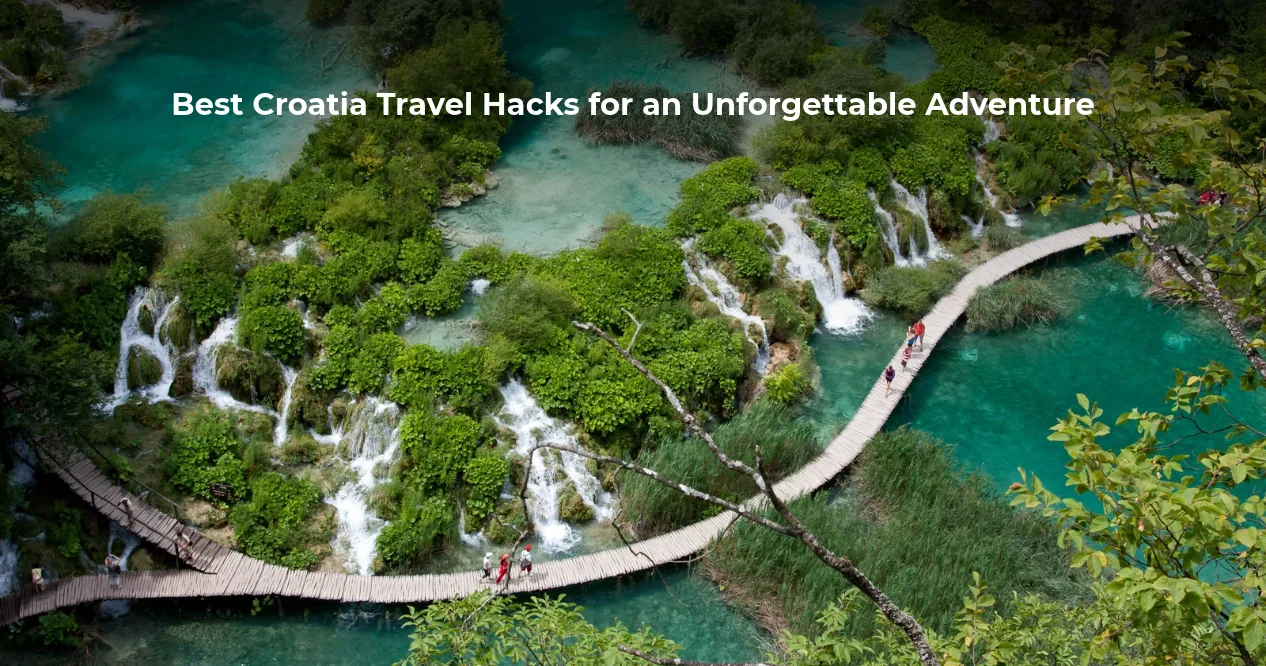
Plitvice Lakes National Park is famous for its cascading waterfalls, turquoise lakes, and wooden walking paths winding through lush forests.
The park's interconnected lakes create one of Croatia's most extraordinary natural landscapes.
It's a fantastic destination for travelers who want a break from coastal sightseeing.
However, swimming in the lakes is prohibited, so come prepared for walking and photography rather than a dip.
Travel Tip: Reserve Plitvice Lakes tickets through the park's official booking system, particularly during busy travel periods. Entry is managed through timed slots, and arriving at your selected entrance on time helps keep your visit running smoothly.
Šibenik: A Coastal City Worth Slowing Down For
Often overlooked in favor of Split and Dubrovnik, Šibenik offers atmospheric medieval streets, impressive fortresses, and a beautiful waterfront.
Visit the UNESCO-listed Cathedral of St. James and explore the city's historic center.
Šibenik also makes an excellent base for visiting Krka National Park, famous for its waterfalls and scenic walking routes.
Unlike some older travel guides might suggest, swimming at Skradinski Buk is no longer permitted.
Instead, enjoy the designated walking trails and viewpoints that showcase the park's remarkable scenery.
5. Smart Croatia Travel Hacks That Save Time and Money
Once you've chosen your dream destinations, a few practical strategies can make your Croatian adventure smoother and more affordable.
Use Public Transport Strategically
Croatia's intercity buses are useful for traveling between major towns, particularly along the coast.
For island connections, ferries and passenger catamarans are often the most practical options.
Renting a car can be worthwhile when exploring Istria, rural villages, or destinations with limited public transport.
However, parking in historic coastal towns can be expensive or difficult to find during summer.
Travel Tip: Combine transportation methods instead of renting a car for your entire holiday. Explore major coastal cities on foot, use ferries for island hopping, and consider a short car rental for countryside adventures.
Pay in Euros and Avoid Unnecessary Conversion Fees
Croatia uses the euro, making payments straightforward for visitors traveling from other eurozone countries.
Cards are widely accepted in many hotels, restaurants, and larger businesses, but carrying some cash remains useful for small purchases and occasional cash-only establishments.
When paying by card or withdrawing cash, you may be offered the option to convert the transaction into your home currency.
Choosing to pay in euros often avoids unfavorable dynamic currency conversion rates, although your bank's international fees still apply.
Travel Tip: Use reputable bank-operated ATMs where possible, review withdrawal fees before confirming, and decline optional currency conversion when your own card provider offers a better exchange rate.
Eat Where Locals Eat
Some of Croatia's best meals aren't found in the busiest waterfront restaurants.
Look for traditional taverns called konobas, where you can discover regional dishes and locally produced ingredients.
Depending on where you're traveling, keep an eye out for:
- Peka: Meat or seafood slowly cooked with vegetables beneath a bell-shaped lid, often requiring advance ordering.
- Black risotto: A Dalmatian specialty made with cuttlefish ink.
- Pašticada: Slow-cooked beef traditionally served with gnocchi.
- Burek: A savory pastry that's ideal for an affordable breakfast or quick snack.
- Fresh seafood: Particularly appealing in fishing towns and coastal villages.
For a memorable meal, explore restaurants a few streets away from the busiest tourist squares.
Travel Tip: Ask whether fish is priced per portion or by weight before ordering. Fresh fish is sometimes sold by the kilogram, and clarifying the price upfront helps avoid an unexpected bill.
Pack for Beaches, Boats, and Cobblestones
Croatia's coastline looks wonderfully inviting, but many beaches are pebbly or rocky rather than sandy.
A pair of water shoes can make swimming much more comfortable, especially around rocky entry points.
Comfortable walking shoes are equally useful for exploring historic towns, where polished stone streets can become slippery.
Pack lightweight clothing, sun protection, a reusable water bottle, and a small dry bag for boat trips.
Tap water is generally safe to drink across Croatia, making a refillable bottle an easy way to save money and reduce plastic waste.
Travel Tip: If you're planning boat excursions, check wind and sea conditions before departure. Adriatic weather can change quickly, and strong winds may disrupt ferry schedules or smaller boat tours.
Understand Croatia's Entry Rules Before You Go
Croatia is part of the Schengen Area, so travelers should check the entry requirements that apply to their nationality before departure.
For many non-EU visitors, the standard short-stay limit is 90 days within any rolling 180-day period across the Schengen Area.
Passport validity requirements, visa rules, and European border procedures can vary depending on your citizenship and travel date.
Travelers should also check current information about the European Entry/Exit System and the planned European Travel Information and Authorisation System before their trip.
Travel Tip: Confirm the latest requirements through official Croatian or European Union immigration resources. Avoid relying on outdated travel posts, especially when planning a multi-country European itinerary.
Make Your Croatian Adventure Truly Unforgettable
Croatia has an incredible ability to surprise travelers. One morning, you could be wandering through a centuries-old Roman palace. By afternoon, you might be swimming in crystal-clear Adriatic waters. And by evening? Enjoying fresh seafood in a quiet harbor while the sun melts into the horizon.
The best Croatia travel hacks aren't just about saving money. They're about traveling smarter, avoiding unnecessary stress, and leaving room for those spontaneous moments that become your favorite memories.
Visit during the shoulder season, explore beyond the famous hotspots, embrace local food, and plan your island connections carefully. Most importantly, don't rush through your itinerary.
Sometimes Croatia's greatest experiences are found in the little moments: an unexpected coastal viewpoint, a family-run restaurant, or a peaceful swim in a hidden cove.
Ready to explore Croatia? Start building your dream itinerary today! Choose your favorite destinations, compare travel dates, reserve essential transport, and leave plenty of time for unforgettable adventures along the Adriatic.
Your Croatian escape is waiting. Discover more, spend smarter, and make every moment count!
Frequently Asked Questions
1. What is the best time to visit Croatia for good weather and fewer crowds?
June and September offer an excellent balance of pleasant weather and manageable crowds. September is particularly attractive for swimming because the Adriatic remains warm after summer. May and early October are also good choices for sightseeing and quieter travel.
2. What is the cheapest way to travel between Croatian islands?
Public ferries and passenger catamarans are generally more affordable than private boat transfers. Compare routes and departure times with operators such as Jadrolinija and Krilo, and reserve popular summer journeys early.
3. How can I avoid the biggest crowds in Dubrovnik?
Explore Dubrovnik's Old Town early in the morning and consider visiting outside July and August. Staying near the historic center also makes it easier to enjoy quieter streets before large sightseeing groups arrive.
4. Which Croatian islands are best for a relaxing holiday?
Vis is excellent for peaceful coves and traditional island life, while Korčula offers charming villages, wineries, and beautiful beaches. Hvar can also be relaxing if you explore quieter areas such as Stari Grad rather than focusing on its nightlife.
5. Can you swim in Plitvice Lakes or Krka National Park?
Swimming is prohibited in Plitvice Lakes National Park and at Krka's famous Skradinski Buk waterfalls. Both parks remain fantastic destinations for scenic walks, photography, and enjoying Croatia's natural beauty.
6. Is Croatia expensive for tourists?
Costs depend heavily on your destination and travel season. Dubrovnik, Hvar, and other popular coastal areas can be expensive during summer. Traveling in the shoulder season, using public transport, and eating at traditional local taverns can help control expenses.
7. Do I need to rent a car when visiting Croatia?
Not necessarily. Buses, ferries, and catamarans work well for many coastal itineraries. A rental car becomes more useful when exploring rural Istria, smaller villages, or places with limited public transportation.
8. What should I pack for a Croatia holiday?
Bring comfortable walking shoes, water shoes for rocky beaches, sun protection, lightweight clothing, and a reusable water bottle. A small dry bag is useful for boat excursions. Check the forecast and pack an extra layer if traveling during spring or autumn.