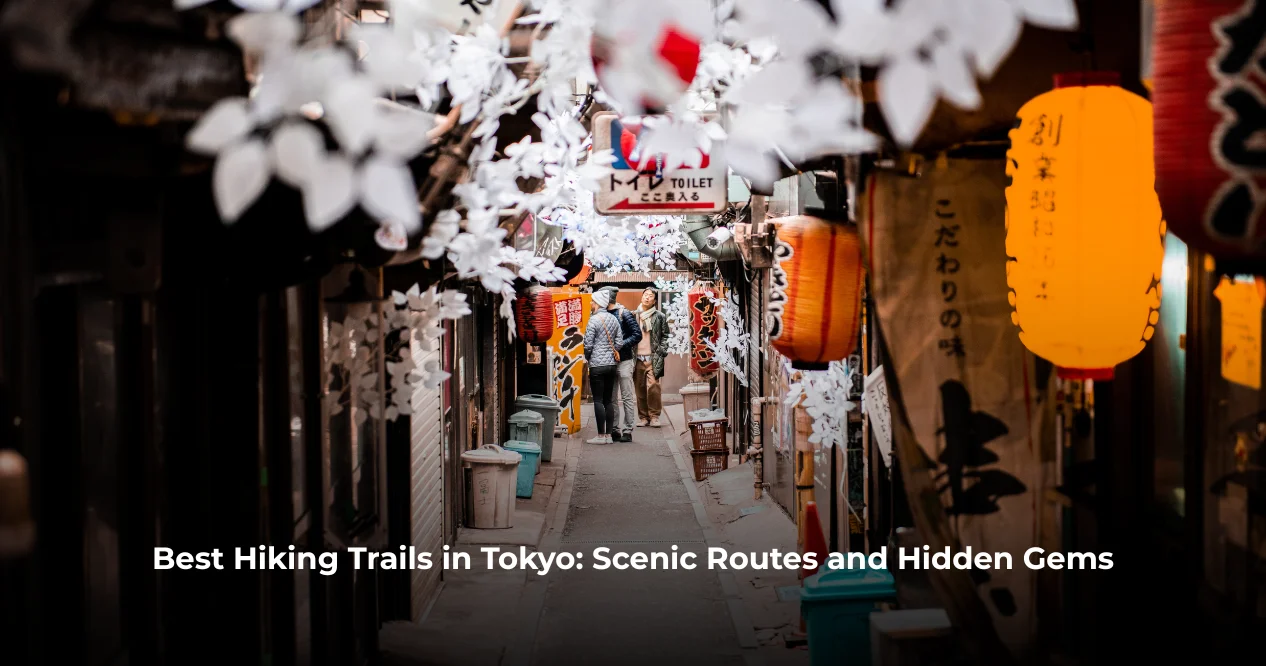
Think Tokyo is all neon lights, crowded crossings, and towering skyscrapers? Think again! Just beyond the city's buzzing streets lies a surprisingly wild world of ancient forests, misty mountains, cascading waterfalls, and breathtaking viewpoints. Whether you're chasing panoramic views of Mount Fuji, exploring centuries-old temples, or escaping into peaceful woodland, Tokyo's hiking trails offer unforgettable adventures.
The best part? You don't need to travel halfway across Japan to experience them. Some of Tokyo's most spectacular hiking destinations are less than two hours from the city center, making them perfect for day trips.
Ready to swap subway stations for mountain trails? Here are five fantastic hiking destinations in Tokyo, complete with local secrets, must-see highlights, and practical tips to make your adventure extraordinary.
1. Mount Takao: Tokyo's Most Famous Mountain Escape
If you're looking for the perfect introduction to hiking in Tokyo, Mount Takao should be at the top of your list. Located approximately 50 kilometers west of central Tokyo, this beautiful mountain combines accessible hiking trails, fascinating cultural attractions, and spectacular scenery.
Standing 599 meters tall, Mount Takao attracts nature lovers throughout the year, particularly during spring cherry blossom season and autumn's spectacular foliage displays.
Best Hiking Experiences on Mount Takao
- Trail 1 (Omotesando Trail): A popular paved route featuring temples, observation spots, and traditional snack stalls.
- Trail 6 (Biwa Waterfall Trail): A peaceful forest route following streams and passing the atmospheric Biwa Waterfall.
- Inariyama Trail: A more challenging woodland hike offering a quieter mountain experience.
- Yakuoin Temple: Discover a historic Buddhist temple associated with mountain worship and tengu folklore.
- Mount Takao Summit: Enjoy sweeping mountain panoramas and, on clear days, beautiful views of Mount Fuji.
For a memorable local experience, try freshly prepared tenguyaki, a crispy, sweet pastry filled with black bean paste, near the cable car's upper station.
Travel Tip: Take the Keio Line from Shinjuku to Takaosanguchi Station. Depending on the service, the journey takes approximately 50–60 minutes. For fewer crowds, arrive early on weekdays. Trail 1 is generally the easiest option, while Trail 6 offers a more natural hiking experience. Check current trail conditions before setting out.
2. Mount Mitake: Sacred Forests and Mountain Village Charm
Want to experience Tokyo's spiritual side while surrounded by beautiful mountain scenery? Mount Mitake delivers an enchanting combination of forest trails, traditional culture, and mountain hospitality.
Located in the Okutama region, Mount Mitake rises approximately 929 meters above sea level and has been a center of mountain worship for centuries.
Unlike many popular tourist attractions, this mountain retains a peaceful, traditional atmosphere, especially when you venture beyond its central shrine area.
Unforgettable Things to Do on Mount Mitake
- Visit Musashi Mitake Shrine: Climb the stone steps to a historic mountaintop shrine with deep spiritual connections to the surrounding mountains.
- Explore the Rock Garden: Wander through a magical woodland valley filled with moss-covered rocks, streams, and lush greenery.
- Discover Nanayo Falls: Enjoy a beautiful waterfall tucked into the forest, reached by a steep trail.
- Experience a Mountain Village: Explore traditional mountain lodgings and small eateries near the shrine.
- Continue to Mount Hinode: Extend your adventure with a scenic hike offering expansive views toward Tokyo.
One of Mount Mitake's most fascinating traditions is its connection to wolves, historically revered as protective spiritual messengers. You'll notice wolf imagery around Musashi Mitake Shrine.
For adventurous travelers, the Rock Garden is particularly rewarding after light rain, when the moss appears brilliantly green. However, rocks and steps can become slippery.
Travel Tip: Travel from Shinjuku to Mitake Station using JR services, typically taking around 90–120 minutes depending on connections. From there, catch a bus toward the cable car station. The cable car reduces the uphill walking considerably, but the Rock Garden loop still involves uneven terrain and steep sections. Allow at least half a day for your visit.
3. Mount Kumotori: Tokyo's Ultimate Mountain Adventure
Calling all experienced hikers! If your idea of a perfect getaway involves rugged mountain trails, deep forests, and spectacular alpine-style scenery, Mount Kumotori deserves a place on your adventure list.
At approximately 2,017 meters, Mount Kumotori is the highest mountain in Tokyo. Its summit sits near the borders of Tokyo, Saitama, and Yamanashi prefectures.
This is a completely different side of Tokyo: remote, mountainous, and wonderfully removed from the city's constant energy.
What Makes Mount Kumotori Special?
- Challenging Mountain Routes: Experience demanding climbs and long-distance hiking through rugged terrain.
- Beautiful Ridge Walks: Discover expansive mountain scenery along exposed ridgelines and forested slopes.
- Wildlife Encounters: Watch for deer, mountain birds, and other wildlife while respecting their natural habitat.
- Mountain Hut Experience: Consider an overnight stay near the summit for a traditional Japanese mountain adventure.
- Unforgettable Sunrise Views: On clear mornings, experience beautiful light spreading across the surrounding mountains.
One of the most established approaches begins at Kamosawa, on the Okutama side of the mountain. The route involves substantial elevation gain and is best suited to experienced hikers with good fitness.
Many travelers prefer to divide the adventure across two days, staying overnight at a mountain hut rather than attempting a demanding single-day climb.
Travel Tip: Mount Kumotori is not a casual day hike. Plan for a strenuous route, check mountain weather and daylight hours, and confirm public transport schedules before departure. Snow and ice can affect higher elevations during colder months. Reserve mountain hut accommodation in advance when required, and carry suitable navigation equipment, warm layers, food, and sufficient water.
4. Okutama: Riverside Trails, Forest Adventures, and Hidden Gems
Imagine walking beside a crystal-clear river, crossing scenic bridges, and discovering forest-covered mountains that feel worlds away from Tokyo's busy neighborhoods.
Welcome to Okutama, one of the city's best destinations for outdoor adventures.
Located in western Tokyo, Okutama offers everything from relaxed riverside walks to challenging mountain hikes.
Best Outdoor Experiences in Okutama
- Hikawa Gorge: Explore picturesque riverside scenery near Okutama Station, with bridges and forested slopes.
- Lake Okutama: Enjoy beautiful reservoir views surrounded by mountains, especially during autumn.
- Mount Gozen: Tackle a challenging mountain hike featuring dense forests and rewarding viewpoints.
- Mount Mito: Discover a beautiful mountain known for its woodland scenery and seasonal foliage.
- Hatonosu Gorge: Wander through dramatic riverside scenery near Hatonosu Station.
For a relatively relaxed adventure, Hatonosu Gorge is an excellent choice. The rocky Tama River, wooded slopes, and picturesque suspension bridge create a beautiful setting for photography.
Another rewarding option is exploring the trails around Lake Okutama, where mountain reflections and seasonal colors make the landscape particularly memorable.
Keep in mind that some lakeside paths and floating bridges may close temporarily because of water levels, maintenance, or weather conditions.
Travel Tip: Use the JR Ome Line to reach Okutama Station, with a journey from central Tokyo generally taking around two hours depending on your starting point and connections. For an easy introduction, explore the Hikawa Gorge area. For longer hikes, download offline maps and check bus departure times carefully, as services can be infrequent.
5. Mount Jinba: Panoramic Views and Peaceful Ridge Hiking
Looking for breathtaking views without the busiest sections of Mount Takao? Mount Jinba is a fantastic alternative.
Standing approximately 855 meters tall, Mount Jinba is famous for its broad summit, impressive mountain panoramas, and distinctive white horse statue.
On clear days, hikers can enjoy views across surrounding mountain ranges, including Mount Fuji.
Highlights of Hiking Mount Jinba
- Panoramic Summit: Relax at a spacious mountaintop with sweeping views of the surrounding landscape.
- White Horse Statue: Photograph the mountain's unusual and instantly recognizable landmark.
- Forest Trails: Walk through peaceful woodland sections with changing seasonal scenery.
- Traditional Summit Refreshments: Enjoy simple food or drinks at mountain teahouses when open.
- Jinba-to-Takao Ridge: Challenge yourself with a longer hike connecting Mount Jinba and Mount Takao.
The Jinba-to-Takao route is particularly appealing for hikers who want a full-day adventure. Along the way, you'll cross wooded ridges and pass several smaller summits.
Depending on your route, you may encounter Mount Kagenobu and Mount Shiroyama before eventually reaching Mount Takao.
The entire ridge hike requires good stamina, appropriate footwear, and careful timing, especially during shorter winter days.
Travel Tip: A common approach is to travel to Takao Station and continue by bus toward the Jinba trailheads. Check which bus stop serves your chosen route, because different trailheads involve different distances and climbing times. Start early if you plan to hike all the way to Mount Takao, and bring cash since some mountain teahouses may not accept cards.
When Is the Best Time to Hike in Tokyo?
Tokyo's mountains offer beautiful scenery throughout the year, but the experience changes dramatically with the seasons.
- Spring (March–May): Enjoy fresh greenery, comfortable temperatures, and seasonal blossoms. Higher elevations may remain cold.
- Summer (June–August): Discover lush forests and flowing waterfalls, but prepare for humidity, insects, thunderstorms, and slippery trails during the rainy season.
- Autumn (September–November): Experience colorful foliage and often pleasant hiking temperatures. October and November are especially popular, depending on elevation and weather.
- Winter (December–February): Enjoy crisp views and quieter trails at lower elevations, while remembering that higher mountains can experience snow, ice, and freezing temperatures.
For many visitors, late spring and autumn offer the most comfortable balance of pleasant weather and beautiful scenery.
Travel Tip: Autumn weekends can be exceptionally busy around Mount Takao and Mount Mitake. Visit on weekdays when possible, and remember that popular foliage dates vary with temperature and elevation.
Essential Tips for Hiking in Tokyo
Tokyo's hiking infrastructure is excellent, but even accessible mountain trails deserve proper preparation.
- Wear Suitable Footwear: Choose hiking shoes with reliable grip, especially for rocky or muddy trails.
- Carry Water and Snacks: Mountain shops and vending machines are not available on every route.
- Check Weather Forecasts: Mountain conditions can differ significantly from central Tokyo.
- Start Early: Allow enough daylight to finish your hike comfortably.
- Download Offline Maps: Mobile reception can be unreliable in remote valleys and mountain areas.
- Respect Wildlife: Avoid feeding animals, and follow local guidance on encounters with wildlife, including bears in the Okutama region.
- Carry Your Rubbish: Take all waste home and help preserve Tokyo's beautiful natural landscapes.
- Check Transport Schedules: Rural buses and mountain cable cars may operate less frequently than city trains.
Travel Tip: Before heading into Tokyo's mountains, check official trail notices, transport updates, and local weather warnings. Heavy rainfall, landslides, storms, and maintenance can temporarily close routes. For longer mountain adventures, consider submitting a hiking itinerary or mountain-climbing plan.
Ready to Discover Tokyo Beyond the Skyscrapers?
Tokyo is famous for its incredible food, vibrant neighborhoods, and futuristic attractions. But venture into its western mountains, and you'll discover another side of the city entirely.
From the sacred forests of Mount Mitake and the panoramic summit of Mount Jinba to the challenging wilderness of Mount Kumotori, Tokyo's hiking trails reveal landscapes that many international visitors never experience.
Whether you're planning a peaceful morning walk, an unforgettable day trip, or a demanding mountain adventure, there's a Tokyo trail waiting for you.
Start with Mount Takao if you're new to hiking, choose Okutama for riverside scenery, or tackle Mount Kumotori if you're ready for a serious challenge.
Ready for your next adventure? Pick your favorite Tokyo hiking trail, check the latest conditions, pack your hiking essentials, and discover the extraordinary natural beauty hiding beyond Japan's capital.
Plan your Tokyo hiking adventure today: [add booking link]
Frequently Asked Questions
1. What is the best hiking trail in Tokyo for beginners?
Mount Takao's Trail 1 is one of the best choices for beginners. Its paved route, clear signage, cultural attractions, and access to cable car facilities make it a convenient introduction to mountain hiking.
2. Can I go hiking in Tokyo without renting a car?
Yes! Many popular hiking destinations, including Mount Takao, Mount Mitake, and Okutama, are accessible by train and local bus. Always check return transport schedules before starting your hike.
3. Which Tokyo hiking trails offer views of Mount Fuji?
Mount Takao and Mount Jinba both offer opportunities to see Mount Fuji on clear days. Visibility is often particularly good during cool, dry weather.
4. What is the highest mountain in Tokyo?
Mount Kumotori is Tokyo's highest mountain, reaching approximately 2,017 meters. Its demanding trails and remote terrain make it most suitable for experienced hikers.
5. When is the best season for hiking in Tokyo?
Spring and autumn are generally the most comfortable seasons. Spring brings fresh greenery and blossoms, while autumn offers colorful foliage and pleasant temperatures.
6. Are there waterfalls along Tokyo's hiking trails?
Yes. Mount Mitake's Rock Garden area provides access to Nanayo Falls, while Mount Takao's Trail 6 passes Biwa Waterfall. Both offer beautiful forest settings, although trail conditions can be slippery.
7. How difficult is the Mount Jinba to Mount Takao hike?
The Jinba-to-Takao ridge hike is a substantial full-day outing requiring good fitness and stamina. It involves several climbs and descents, so hikers should start early and carry adequate supplies.
8. What should I pack for a day hike near Tokyo?
Bring comfortable hiking shoes, water, snacks, weather-appropriate clothing, an offline map, and a charged phone. For longer routes, carry additional food, warm layers, and suitable navigation equipment.