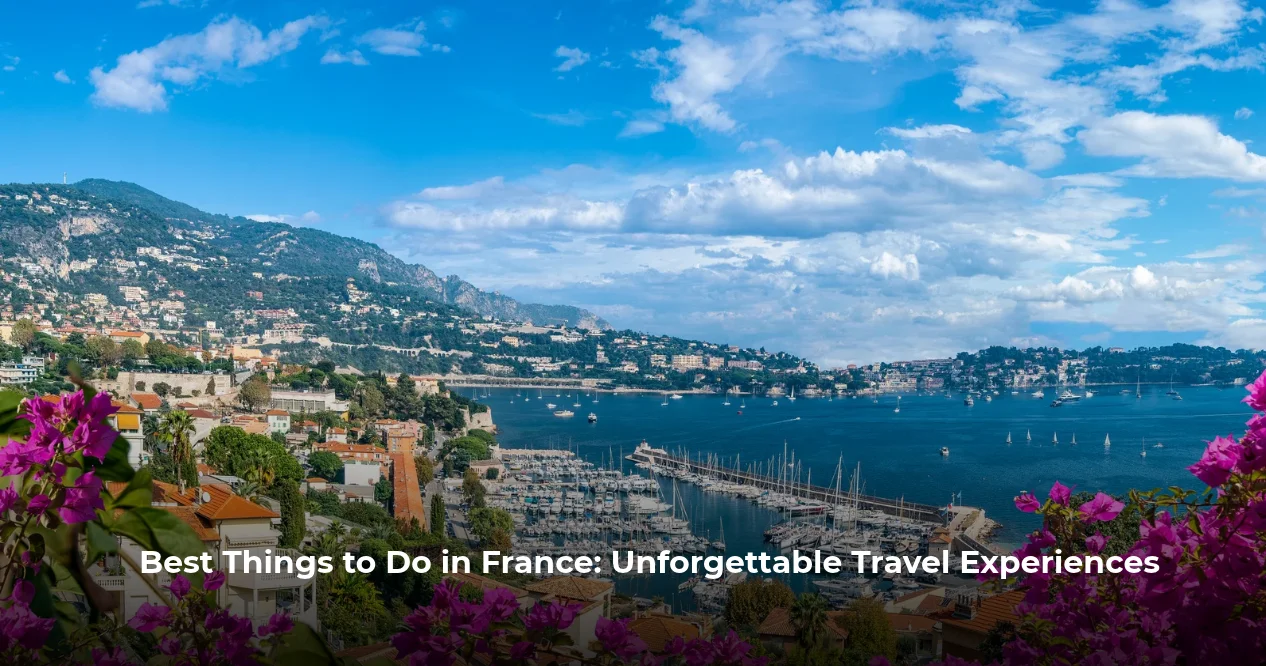
Picture yourself sipping a café crème at a charming Parisian café, wandering through lavender-scented countryside, or watching the Mediterranean sparkle beneath the golden sunshine. Sounds dreamy, right? Well, that's just the beginning of what France has waiting for you!
France isn't simply a destination; it's an experience that combines breathtaking landscapes, extraordinary food, fascinating history, and unforgettable adventures. Whether you're planning your first French getaway or returning to discover somewhere new, there are countless incredible things to do in France.
From iconic Paris attractions to secret coastal escapes and medieval villages that seem frozen in time, this guide reveals the best places to visit, exciting activities, and local experiences worth adding to your itinerary.
Ready to fall in love with France? Let's explore!
1. Discover Paris: Iconic Landmarks and Hidden Parisian Gems
No trip to France feels complete without experiencing Paris. The City of Light effortlessly combines world-famous attractions with atmospheric neighborhoods, incredible museums, and charming streets that practically beg to be explored.
Visit the Eiffel Tower and Enjoy Spectacular City Views
Let's start with the obvious: the Eiffel Tower! Standing beneath this magnificent landmark is unforgettable, but seeing Paris from its observation decks takes the experience to another level.
For beautiful photographs, head to the Trocadéro gardens early in the morning. Alternatively, enjoy a sunset picnic on the Champ de Mars while the tower glows against the evening sky.
After dark, the Eiffel Tower sparkles for five minutes at the beginning of each hour, generally from nightfall until 11:45 p.m., making it a magical evening experience.
Travel Tip: Reserve Eiffel Tower tickets through the official ticketing service well ahead of your visit, especially during summer and holiday periods. Sunset tickets are particularly popular.
Explore Montmartre Like a Local
Montmartre is where Paris reveals its artistic personality. This hilltop neighborhood is famous for cobblestone streets, traditional cafés, portrait artists, and the magnificent Sacré-Cœur Basilica.
While Place du Tertre attracts plenty of visitors, the surrounding streets offer a quieter glimpse of neighborhood life.
Don't miss these Montmartre experiences:
- Sacré-Cœur Basilica: Admire its striking architecture and panoramic city views.
- Rue de l'Abreuvoir: Discover one of Paris's most photogenic streets.
- Place du Tertre: Watch local artists create portraits and paintings.
- Musée de Montmartre: Explore the neighborhood's artistic history.
- Local bakeries: Pick up a fresh croissant or pain au chocolat for breakfast.
Travel Tip: Visit Montmartre before 9 a.m. for quieter streets and excellent photography conditions. Comfortable shoes are essential because the neighborhood has plenty of steep lanes and staircases.
Experience Paris Beyond the Famous Attractions
Paris has much more to offer than its postcard landmarks.
Explore the independent boutiques and historic architecture of Le Marais, browse the bookstalls along the Seine, or relax in the beautiful Jardin du Luxembourg.
Art lovers should prioritize the Louvre or Musée d'Orsay, while food enthusiasts can enjoy a traditional French market experience at Marché d'Aligre.
For something different, discover the Canal Saint-Martin neighborhood, where waterside cafés and small shops create a relaxed atmosphere away from the busiest tourist routes.
Travel Tip: Many major Paris museums require or strongly recommend timed-entry reservations. Check opening days before planning your itinerary because several museums close one day each week.
2. Explore the French Riviera: Beaches, Coastal Villages, and Mediterranean Magic
Dreaming of turquoise water, colorful seaside towns, and long lunches overlooking the Mediterranean? Welcome to the French Riviera!
Also known as the Côte d'Azur, this glamorous coastline stretches across southeastern France and offers everything from luxurious beach clubs to peaceful fishing villages.
Stroll Along the Promenade des Anglais in Nice
Nice is one of the best places to experience the French Riviera without needing a car.
Start your adventure along the famous Promenade des Anglais, a scenic waterfront walkway lined with palm trees and beautiful Mediterranean views.
Then wander through Vieux Nice, the city's atmospheric old town, where colorful buildings, lively squares, and tempting food stalls create an irresistible combination.
Make time for these local highlights:
- Cours Saleya Market: Browse flowers, seasonal produce, and regional specialties.
- Colline du Château: Enjoy spectacular views over Nice and its coastline.
- Promenade des Anglais: Walk or cycle beside the Mediterranean.
- Old Town: Explore narrow streets filled with cafés and small shops.
- Local cuisine: Try socca, a delicious chickpea pancake associated with Nice.
Travel Tip: Nice's main beaches are predominantly pebbly rather than sandy. Pack water shoes if you plan to swim, and visit during June or September for warm weather with generally fewer crowds than peak summer.
Discover the Hilltop Village of Èze
Just a short journey from Nice, Èze feels like something straight out of a fairy tale.
This medieval hilltop village features winding stone passageways, artisan boutiques, and extraordinary views of the Mediterranean.
Its famous exotic garden, Jardin Exotique d'Èze, is especially memorable thanks to its dramatic clifftop setting.
Adventurous travelers can also explore the Nietzsche Path, a steep walking route connecting the hilltop village with Èze-sur-Mer.
Travel Tip: Wear sturdy footwear if hiking the Nietzsche Path. The trail is steep, rocky, and exposed to the sun. Bring plenty of water and avoid attempting it during extreme heat.
Escape to the Calanques Near Marseille
For an unforgettable outdoor adventure, head toward Calanques National Park near Marseille and Cassis.
Here, towering limestone cliffs plunge into brilliantly blue Mediterranean water, creating some of France's most spectacular coastal scenery.
Depending on seasonal restrictions and conditions, visitors can enjoy hiking, kayaking, guided boat excursions, and swimming in designated areas.
Popular locations include Calanque de Sugiton, Port-Miou, and Port-Pin.
Travel Tip: Summer wildfire precautions can restrict access to hiking trails and certain areas of the national park. Some popular calanques also require advance reservations during designated periods. Always check current park regulations before visiting.
3. Discover Provence: Lavender Fields, Charming Villages, and French Countryside
If your dream French vacation involves peaceful villages, colorful markets, rolling vineyards, and lavender fields stretching toward the horizon, Provence deserves a spot near the top of your list.
This beautiful region in southern France is perfect for travelers who want to slow down and experience everyday French life.
See the Famous Lavender Fields of Provence
Few sights are more iconic than Provence's lavender fields bursting into shades of purple beneath the summer sunshine.
The Valensole Plateau is among the best-known places to admire these landscapes, while areas around Sault and the Luberon offer additional lavender-growing scenery.
Lavender flowering varies by location, altitude, and weather conditions. Late June through July is generally a good period around Valensole, while higher-altitude areas can bloom later.
Beyond photography, visitors can explore lavender farms, purchase locally made products, and learn how lavender is harvested and distilled.
Travel Tip: Lavender fields are often privately owned working farms. Stay on designated paths, avoid damaging plants, and ask permission before entering fields. Check local bloom updates before booking a lavender-focused trip.
Explore the Beautiful Villages of the Luberon
The Luberon is home to some of the prettiest villages in France, each offering its own blend of history, scenery, and Provençal charm.
Start with Gordes, a spectacular hilltop village overlooking the surrounding countryside.
Continue to Roussillon, famous for its warm-colored buildings and distinctive ochre landscapes.
Other worthwhile stops include:
- Bonnieux: Enjoy sweeping countryside views and picturesque streets.
- Ménerbes: Discover a peaceful hilltop village with traditional stone houses.
- Lourmarin: Browse independent shops, cafés, and a lively weekly market.
- Oppède-le-Vieux: Wander through atmospheric ruins and medieval pathways.
- Abbaye Notre-Dame de Sénanque: Admire a historic abbey surrounded by lavender fields during the flowering season.
Travel Tip: Renting a car is usually the easiest way to explore multiple Luberon villages. Public transport connections can be limited, particularly outside larger towns.
Taste Your Way Through a Provençal Market
One of the most enjoyable things to do in France is explore a local food market, and Provence makes this experience particularly special.
Imagine stalls overflowing with ripe tomatoes, olives, fresh herbs, regional cheeses, honey, and fragrant soaps.
Markets in places such as L'Isle-sur-la-Sorgue, Apt, and Saint-Rémy-de-Provence are wonderful opportunities to discover regional flavors.
Pick up fresh bread, local cheese, seasonal fruit, and a few Provençal specialties for a countryside picnic.
Travel Tip: Arrive early for the best selection and a more relaxed atmosphere. Bring a reusable shopping bag and some cash, as smaller vendors may not always accept cards.
4. Experience France's History, Castles, and Spectacular Natural Wonders
France isn't just about Parisian cafés and Mediterranean beaches. The country is packed with remarkable castles, medieval towns, dramatic coastlines, and landscapes that feel almost unreal.
These destinations are perfect for travelers who love history, photography, and discovering places with extraordinary stories.
Visit Mont-Saint-Michel in Normandy
Rising dramatically above tidal sands, Mont-Saint-Michel is one of France's most extraordinary landmarks.
This UNESCO World Heritage Site is famous for its medieval abbey, narrow streets, and remarkable setting in the bay between Normandy and Brittany.
Walking through the village feels like stepping into another century, while the abbey offers fascinating architecture and breathtaking views.
The surrounding bay is also known for powerful tides that can dramatically transform the landscape.
Travel Tip: Check tide times before visiting, particularly if you hope to see Mont-Saint-Michel surrounded by water. Never walk across the bay's tidal flats without an authorized guide because quicksand, channels, and rapidly changing tides can be dangerous.
Explore the Magnificent Châteaux of the Loire Valley
Ever wondered what it would feel like to explore a real French fairy-tale castle?
The Loire Valley is the place to find out!
Known for its magnificent Renaissance architecture, elegant gardens, and beautiful countryside, this region is home to some of France's most impressive historic estates.
Highlights include:
- Château de Chambord: Admire its extraordinary architecture and famous double-helix staircase.
- Château de Chenonceau: Discover a graceful château spanning the River Cher.
- Château de Villandry: Explore beautifully designed ornamental and vegetable gardens.
- Château d'Amboise: Enjoy fascinating royal history and views over the Loire.
- Clos Lucé: Visit the former residence of Leonardo da Vinci.
Beyond the castles, the Loire Valley is excellent for cycling, wine tasting, and exploring charming riverside towns.
Travel Tip: Base yourself in Tours, Amboise, or Blois for convenient access to several major châteaux. A car or organized excursion can make visiting multiple castles easier, although selected sites are accessible by public transport and bicycle.
Discover the Dramatic Cliffs of Étretat
For breathtaking coastal scenery, head to Étretat in Normandy.
This picturesque seaside town is famous for towering white chalk cliffs and spectacular natural rock arches overlooking the English Channel.
The scenery has inspired artists for generations, including Claude Monet.
Take a walk along designated coastal paths, enjoy views of the famous cliffs, and explore the town's charming streets.
For another memorable experience, visit the Jardins d'Étretat, where contemporary sculptures and landscaped gardens complement the dramatic coastal setting.
Travel Tip: Stay well away from cliff edges and avoid walking directly beneath unstable cliffs. Rockfalls can occur without warning, and some coastal paths may close for safety reasons.
5. Enjoy Authentic French Experiences: Food, Wine, Adventure, and Local Secrets
Some of France's most unforgettable moments happen away from famous landmarks.
They happen when you discover a neighborhood bakery, stumble upon a village festival, taste a regional specialty, or spend an afternoon enjoying the countryside.
Here are a few experiences that can make your French adventure even more memorable.
Take a French Cooking Class
French cuisine is celebrated around the world, but learning to prepare it yourself adds an entirely different dimension to your trip.
Join a cooking class in Paris, Lyon, Bordeaux, or Provence and discover traditional techniques from local chefs.
Depending on the class, you might learn to prepare:
- Macarons: Colorful almond-based pastries with delicate fillings.
- Crêpes: Thin French pancakes served with sweet or savory ingredients.
- Ratatouille: A classic Provençal vegetable dish.
- Quiche Lorraine: A savory tart associated with northeastern France.
- Traditional pastries: Learn techniques for preparing French bakery favorites.
Some classes also include market visits, allowing you to shop for fresh ingredients before heading into the kitchen.
Travel Tip: Look for small-group cooking classes that include hands-on preparation rather than demonstrations alone. Book popular pastry workshops ahead of time, particularly in Paris.
Go Wine Tasting in Bordeaux, Burgundy, or Champagne
France is one of the world's most celebrated wine destinations, and visiting its vineyards is an incredible way to understand the country's regional traditions.
In Bordeaux, explore historic wine estates and learn about the region's famous red blends.
Burgundy offers beautiful vineyard landscapes and wines associated with Pinot Noir and Chardonnay.
Meanwhile, Champagne provides opportunities to visit renowned cellars and discover how traditional sparkling wine is produced.
Many vineyards offer guided tastings, cellar tours, and introductions to local winemaking traditions.
Travel Tip: Vineyard visits often require reservations, especially at smaller producers. Arrange transportation in advance if you plan to taste wine, and remember that some estates close during harvest or on certain weekdays.
Cycle Through the French Countryside
France is fantastic for cycling holidays, whether you're an experienced rider or simply looking for a leisurely afternoon outdoors.
The Loire à Vélo route is particularly appealing, following the Loire Valley through beautiful landscapes, historic towns, and vineyard country.
Other memorable cycling regions include Burgundy, Alsace, and parts of Provence.
Electric bicycles are increasingly available in popular cycling destinations, making longer routes and gentle hills more accessible.
Travel Tip: Choose a route that matches your fitness level and check whether sections use dedicated cycle paths or shared roads. Spring and early autumn often provide comfortable temperatures for cycling.
Discover France's Lesser-Known Treasures
Want to experience a side of France that many international visitors overlook?
Consider adding one of these destinations to your itinerary.
- Annecy: Explore canals, pastel-colored buildings, and an Alpine lake known for its clear water.
- Colmar: Discover colorful half-timbered houses and Alsatian architecture.
- Dordogne: Visit prehistoric caves, medieval villages, and picturesque river valleys.
- Auvergne: Hike through volcanic landscapes and explore traditional mountain towns.
- Basque Country: Enjoy Atlantic beaches, distinctive regional cuisine, and villages around Bayonne and Saint-Jean-de-Luz.
- Jura Mountains: Discover lakes, waterfalls, hiking trails, and peaceful natural scenery.
These destinations offer wonderful alternatives for travelers interested in nature, regional culture, and slower-paced adventures.
Travel Tip: Consider staying at least two nights in smaller destinations rather than rushing through on day trips. You'll have more time to enjoy local restaurants, markets, and attractions without constantly moving between hotels.
Plan Your Perfect France Adventure
With so many incredible things to do in France, the biggest challenge is deciding where to begin!
The good news? France has experiences for almost every travel style, budget, and season.
When Is the Best Time to Visit France?
Spring (March to May): A lovely season for Paris sightseeing, gardens, countryside walks, and exploring historic towns. Expect variable weather, particularly in March.
Summer (June to August): Ideal for beach holidays, outdoor festivals, Alpine adventures, and lavender viewing in Provence. Popular attractions can be crowded, and southern France may experience intense heat.
Autumn (September to November): Excellent for wine regions, cultural sightseeing, and exploring cities in generally milder conditions. September is especially attractive for many destinations.
Winter (December to February): Perfect for Alpine skiing, festive markets in Alsace, and discovering major cities with fewer visitors outside holiday periods.
Travel Tip: For a balance of pleasant weather and manageable crowds, consider May, June, September, or early October. The ideal month still depends on whether you're prioritizing beaches, lavender, skiing, or city sightseeing.
How to Travel Around France
France has an extensive transport network, making it relatively straightforward to combine multiple destinations in one trip.
High-speed trains: TGV services connect Paris with major destinations including Lyon, Bordeaux, Strasbourg, Marseille, and other cities.
Regional trains: TER services are useful for exploring smaller cities and towns, although frequencies vary by route.
Rental cars: Particularly convenient for Provence, rural Dordogne, and countryside destinations with limited public transportation.
Local public transport: Metro, tram, and bus networks make getting around major French cities relatively easy.
Cycling: An enjoyable option in regions with established cycling routes, including the Loire Valley.
Travel Tip: Book popular long-distance train journeys in advance when possible, especially during school holidays and peak summer travel periods. Compare train schedules before planning ambitious multi-city itineraries.
How Many Days Do You Need in France?
Your ideal trip length depends on how many regions you want to explore.
3–4 days: Focus on Paris, combining major landmarks with neighborhood exploration and local dining.
5–7 days: Explore Paris and add one nearby region, such as Normandy or the Loire Valley.
10–14 days: Combine Paris with Provence, the French Riviera, or another major region for a more varied itinerary.
Two weeks or longer: Enjoy a slower journey through multiple regions, including smaller towns and countryside destinations.
Travel Tip: Avoid trying to see everything in one visit. France rewards slower travel, and spending extra time in fewer places often leads to more memorable experiences.
Essential France Travel Tips Before You Go
A little preparation can make your French holiday considerably smoother.
- Learn a few French phrases: Saying bonjour, merci, and s'il vous plaît is a simple way to show courtesy.
- Carry comfortable walking shoes: Historic streets, cobblestones, and hilltop villages can involve plenty of walking.
- Check entry requirements: Passport, visa, and border procedures depend on your nationality and travel dates.
- Reserve major attractions: Popular museums, monuments, and experiences can sell out during busy periods.
- Keep some cash available: Cards are widely accepted, but cash remains useful at smaller markets and businesses.
- Check local opening hours: Some shops and restaurants close on Sundays, Mondays, or during afternoon breaks.
- Plan around the weather: Conditions differ considerably between northern France, the Mediterranean, and mountain regions.
- Leave room for spontaneity: Some of your favorite discoveries may be unexpected cafés, markets, and neighborhood streets.
Ready to Discover the Best Things to Do in France?
France has a remarkable way of turning ordinary travel moments into lifelong memories.
One day, you could be admiring the Eiffel Tower at sunset. The next, you might be wandering through a Provençal village, sampling cheese at a local market, or exploring a medieval castle surrounded by beautiful countryside.
Whether you dream of romantic Parisian evenings, Mediterranean beach escapes, vineyard adventures, or peaceful mountain scenery, France offers an extraordinary variety of experiences.
The secret to an unforgettable French getaway is simple: combine a few famous landmarks with experiences that genuinely excite you, make time for local discoveries, and resist the temptation to rush.
Ready to start planning? Choose your favorite destinations, check seasonal highlights, and begin building your perfect France itinerary today.
Explore travel options, compare accommodation, and start planning your French adventure here
From your first warm croissant to your final sunset over the French countryside, France is waiting to surprise you.
Frequently Asked Questions
1. What Are the Best Things to Do in France for First-Time Visitors?
First-time visitors should consider exploring Paris, visiting the Eiffel Tower and Louvre, discovering Montmartre, and experiencing at least one additional region. The French Riviera, Provence, Normandy, and Loire Valley are excellent options depending on your interests and available time.
2. What Is the Best Time of Year to Visit France?
May, June, September, and early October are excellent choices for many French destinations because they often offer pleasant weather and fewer crowds than peak summer. Visit Provence in late June or July for lavender, the Riviera during warmer months for beach activities, or the Alps in winter for skiing.
3. How Many Days Should I Spend in France?
Allow at least three or four days for Paris alone. A week is suitable for Paris plus one nearby region, while 10–14 days provides more flexibility to explore destinations such as Provence or the French Riviera. Longer trips are ideal for discovering smaller towns and countryside attractions.
4. What Are the Most Beautiful Places to Visit in France Besides Paris?
Some of France's most beautiful destinations include the French Riviera, lavender-growing areas of Provence, Mont-Saint-Michel, the Loire Valley, Annecy, and the cliffs of Étretat. Each offers distinctive landscapes, historic attractions, and memorable cultural experiences.
5. Where Can I See Lavender Fields in France?
The Valensole Plateau, Sault, and parts of the Luberon are well-known lavender destinations in Provence. Flowering dates depend on weather and altitude, but late June through July is generally a promising period. Check local conditions before traveling specifically to see the blooms.
6. Is It Easy to Travel Around France Without a Car?
Yes. High-speed trains connect major cities, while regional trains and local public transport serve many additional destinations. Paris, Nice, Lyon, and several other cities are easy to explore without driving. However, renting a car can be helpful for rural Provence, Dordogne, and remote villages.
7. What Unique Food and Wine Experiences Should I Try in France?
Consider taking a French cooking class, browsing a Provençal food market, sampling socca in Nice, or visiting vineyards in Bordeaux, Burgundy, or Champagne. These experiences offer enjoyable introductions to France's regional culinary traditions.
8. What Are Some Hidden Gems and Less-Crowded Places to Visit in France?
Annecy, the Jura Mountains, Auvergne, and smaller Luberon villages are wonderful alternatives to France's busiest attractions. The Dordogne and French Basque Country also offer beautiful landscapes, distinctive local culture, and opportunities to explore beyond the main tourist routes. Traveling outside peak summer can make these destinations even more enjoyable.