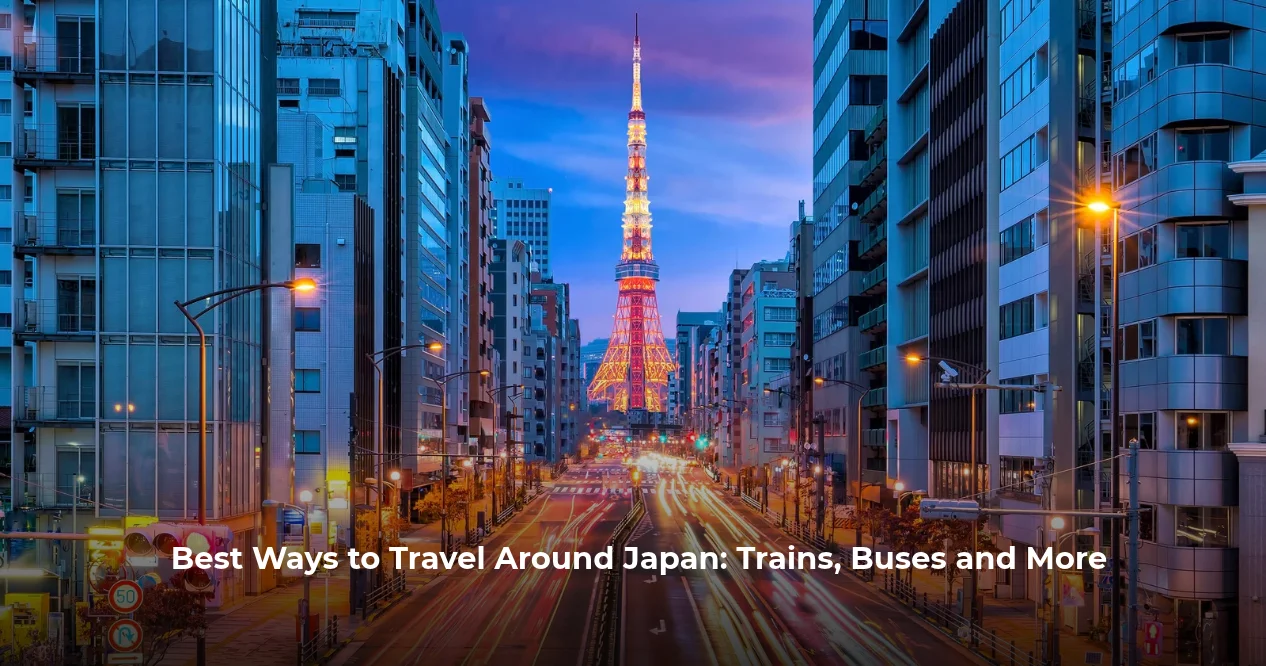
Picture this: You're gliding past Mount Fuji on a sleek bullet train, exploring Tokyo's neon-lit streets, or winding through Japan's peaceful countryside on a scenic railway. In Japan, getting from one incredible destination to another isn't just transportation—it's part of the adventure!
Japan has one of the world's most impressive transportation networks, making it surprisingly easy to explore everything from futuristic cities to ancient temples, mountain villages, and tropical islands.
But here's the exciting part: You don't need an unlimited budget to experience it all. Whether you're planning your first Japanese adventure or returning to discover hidden gems, choosing the right transportation can save you money, maximize your sightseeing time, and introduce you to places many visitors overlook.
Ready to explore Japan like a savvy traveler? Here are the best ways to get around Japan in 2026, including practical tips, unforgettable routes, and transportation secrets worth knowing.
1. Japan's Bullet Trains: The Fastest Way to Explore the Country
If there's one transportation experience you absolutely shouldn't miss in Japan, it's riding the legendary Shinkansen bullet train.
These high-speed trains connect major destinations with remarkable efficiency, comfortable seating, and breathtaking scenery along selected routes.
Imagine enjoying a delicious Japanese bento box while traveling between cities at speeds approaching 300 km/h. That's everyday travel in Japan!
Best Bullet Train Routes for Travelers
- Tokyo to Kyoto: Approximately 2 hours and 10–20 minutes on the fastest Nozomi services. Perfect for exploring Kyoto's temples, traditional neighborhoods, and bamboo forests.
- Tokyo to Osaka: Around 2 hours and 30 minutes by Nozomi, making it easy to reach Osaka's famous street-food scene.
- Tokyo to Kanazawa: Approximately 2.5–3 hours on the Hokuriku Shinkansen, bringing you close to traditional gardens, historic districts, and beautiful Japanese craftsmanship.
- Tokyo to Sendai: Around 90 minutes on faster services, opening the door to northern Japan's spectacular coastal scenery and cultural attractions.
One of the most memorable rail experiences is traveling along the Tokaido Shinkansen route between Tokyo and Kyoto. On a clear day, passengers may catch a spectacular glimpse of Mount Fuji.
Travel Tip: For the best chance of seeing Mount Fuji, choose a seat on the right-hand side when traveling from Tokyo toward Kyoto or Osaka. Seats on the opposite side offer the same mountain views when traveling toward Tokyo. Visibility depends heavily on weather conditions.
Is the Japan Rail Pass Worth It in 2026?
The nationwide Japan Rail Pass remains a convenient option for travelers planning several long-distance rail journeys, but it isn't automatically the cheapest choice.
Ordinary-class adult pass prices are approximately:
- 7 days: ¥50,000
- 14 days: ¥80,000
- 21 days: ¥100,000
Because the nationwide pass became significantly more expensive in 2023, travelers staying mainly around Tokyo, Kyoto, and Osaka often save money by purchasing individual train tickets instead.
Regional rail passes can offer better value when exploring specific parts of Japan.
Travel Tip: Before buying a rail pass, list your planned long-distance journeys and compare individual ticket prices with the pass cost. Remember that Nozomi and Mizuho Shinkansen services require an additional special ticket when using the nationwide Japan Rail Pass.
2. Explore Japanese Cities Like a Local: Subways, Trains and Buses
Japan's major cities are filled with extraordinary attractions, but getting around them can feel overwhelming at first.
Fortunately, urban transportation is generally reliable, well-organized, and easy to navigate once you understand the basics.
Tokyo: Master the World's Famous Rail Network
Tokyo's extensive network of JR trains, subway lines, and private railways connects almost every major sightseeing district.
Some especially useful routes include:
- JR Yamanote Line: A circular railway connecting major areas including Shinjuku, Shibuya, Harajuku, Ueno, and Tokyo Station.
- Tokyo Metro: Excellent for exploring neighborhoods such as Ginza, Asakusa, and Omotesando.
- Toei Subway: Complements the Tokyo Metro network and provides additional connections throughout the city.
- Private railway lines: Useful for reaching destinations such as Shimokitazawa, Kichijoji, and other neighborhoods beyond central Tokyo.
For a memorable local experience, take the train to Shimokitazawa, a neighborhood packed with vintage clothing shops, independent cafés, intimate music venues, and relaxed streets.
It's a refreshing contrast to Tokyo's busiest sightseeing districts.
Kyoto: Combine Trains, Buses and Walking
Kyoto requires a slightly different transportation strategy.
While trains and subways connect important areas, many famous temples and historic streets are best explored on foot or by local bus.
Consider combining:
- JR trains: Convenient for visiting Fushimi Inari Shrine and Arashiyama.
- Kyoto subway: Useful for traveling across central and northern parts of the city.
- Local buses: Helpful for reaching attractions not directly served by rail.
- Walking: Ideal for discovering traditional streets, small shrines, and hidden cafés.
One especially rewarding experience is exploring Kyoto's Higashiyama district early in the morning, before the busiest sightseeing crowds arrive.
You'll discover atmospheric lanes, traditional architecture, and charming shops that make Kyoto unforgettable.
Travel Tip: Avoid relying exclusively on buses in Kyoto during peak cherry blossom and autumn foliage seasons. Traffic and crowded services can slow you down considerably. Use trains wherever practical, then explore nearby attractions on foot.
Make City Travel Easier With an IC Card
Rechargeable transportation cards such as Suica, PASMO, and ICOCA are among the most useful travel tools in Japan.
These cards can be used for many trains, subways, buses, and everyday purchases.
They can also work across multiple regions, even when issued by different transportation operators.
Instead of purchasing a separate ticket for every journey, simply tap your card at compatible ticket gates.
Travel Tip: Set up a compatible digital IC card on your smartphone before arriving, or purchase a physical card after landing. Some regional systems and transportation services do not accept every IC card, so keep a little cash available.
3. Save Money With Highway Buses and Domestic Flights
Japan has a reputation for being expensive, but traveling between destinations doesn't always require a premium-priced bullet train ticket.
Two alternatives—highway buses and domestic flights—can help travelers stretch their budgets while exploring more of the country.
Overnight Highway Buses: Travel While You Sleep
Japan's long-distance highway buses connect major cities and regional destinations at prices that can be considerably lower than Shinkansen fares.
Some overnight services feature reclining seats, privacy partitions, charging points, and additional legroom.
Popular routes include:
- Tokyo to Osaka: Often approximately 7–9 hours, depending on the service and traffic.
- Tokyo to Kyoto: Usually around 7–9 hours.
- Osaka to Hiroshima: Commonly around 5–7 hours.
- Tokyo to Nagoya: Generally around 5–6 hours.
Budget fares can sometimes start around ¥3,000–¥5,000 on popular routes, although prices vary significantly by departure date, seat type, and demand.
Overnight buses offer an interesting advantage: You may save on one night's accommodation while traveling to your next destination.
However, they're less comfortable than trains, especially for light sleepers.
Travel Tip: Reserve overnight buses early for weekends, public holidays, and cherry blossom season. If sleep matters more than the lowest fare, choose a premium reclining seat rather than the cheapest available option.
Domestic Flights: Best for Long Distances and Islands
Domestic flights become particularly attractive when your itinerary includes destinations far from Japan's main high-speed rail corridors.
Consider flying when visiting:
- Hokkaido: Explore Sapporo, volcanic landscapes, national parks, and winter snow festivals.
- Okinawa: Discover tropical beaches, coral reefs, island culture, and turquoise waters.
- Kyushu: Reach southern Japan's hot springs, volcanic scenery, and regional food destinations more quickly from distant cities.
- Remote islands: Connect with destinations where rail travel isn't possible.
Major Japanese airlines and low-cost carriers serve numerous domestic routes.
Although flights can sometimes be cheaper than long-distance rail tickets, airport transfers, baggage fees, and check-in requirements can reduce the savings.
For example, flying between Tokyo and Osaka may look attractive on price alone, but the Shinkansen is often more convenient when traveling between city centers.
Travel Tip: Compare the complete door-to-door journey rather than just the flight duration. Include airport transfers, baggage charges, security procedures, and transportation costs at your destination.
4. Discover Hidden Japan With Scenic Trains, Ferries and Rental Cars
Some of Japan's most unforgettable experiences happen away from its famous metropolitan centers.
Think misty mountain valleys, coastal fishing villages, secluded hot springs, and islands where life moves at a completely different pace.
Reaching these places sometimes requires more creative transportation choices.
Scenic Railways Worth Adding to Your Itinerary
Japan's scenic railways turn ordinary journeys into memorable sightseeing experiences.
Three particularly rewarding options are:
- Sagano Romantic Train, Kyoto: Enjoy beautiful views of the Hozugawa River gorge near Arashiyama, especially during spring and autumn.
- Hakone Tozan Railway: Travel through dramatic mountain scenery on a charming railway known for its steep gradients and switchbacks.
- Gono Line, Tohoku: Experience spectacular coastal views along the Sea of Japan, with selected sightseeing services offering an especially memorable journey.
The Sagano Romantic Train is particularly popular during autumn, when surrounding hillsides glow with red, orange, and golden leaves.
Services, operating days, and reservation requirements vary, so check current schedules before building your itinerary around a specific train.
Travel Tip: Reserve popular sightseeing trains as soon as bookings open, particularly during cherry blossom and autumn foliage periods. Some scenic railways operate limited services or suspend operations during certain seasons.
Island Adventures: Ferries to Japan's Lesser-Known Treasures
Japan is an island nation, so ferries are an important—and often wonderfully scenic—part of its transportation network.
They offer access to destinations that feel worlds away from Tokyo's crowded streets.
Consider these memorable island experiences:
- Naoshima: Take a ferry from Uno or Takamatsu to explore contemporary art museums, outdoor installations, and peaceful coastal villages.
- Miyajima: Enjoy a short ferry journey from Miyajimaguchi to visit Itsukushima Shrine and its famous offshore torii gate.
- Shodoshima: Discover olive groves, picturesque coastlines, traditional soy sauce production, and relaxed island communities.
Naoshima is especially rewarding for travelers who enjoy combining art, architecture, and nature.
Renting a bicycle on the island can make exploring its coastal roads and artistic landmarks even more enjoyable.
Travel Tip: Check ferry schedules carefully before planning island visits. Some routes operate infrequently, and strong winds or severe weather can cause cancellations. Allow extra time when connecting ferries with trains or flights.
Rental Cars: Freedom to Explore Rural Japan
Japan's public transportation is outstanding, but certain rural destinations are considerably easier to explore by car.
Renting a vehicle can be especially useful in:
- Hokkaido: Visit flower fields, national parks, remote lakes, and countryside viewpoints.
- Japanese Alps: Explore mountain villages, scenic roads, and rural hot spring destinations.
- Kyushu: Discover volcanic landscapes, countryside onsen towns, and smaller communities.
- Shikoku: Reach secluded valleys, coastal roads, and traditional pilgrimage sites.
One particularly memorable road-trip destination is the Iya Valley in Tokushima Prefecture.
This mountainous region is known for dramatic gorges, traditional vine bridges, secluded settlements, and striking natural scenery.
Public transportation exists in the region, but services can be limited, making a rental car particularly convenient.
Before driving, remember that vehicles travel on the left side of the road in Japan.
Foreign visitors must also carry the correct driving documentation. Depending on their country or region of licence issuance, this may mean a qualifying International Driving Permit under the 1949 Geneva Convention or a recognized licence accompanied by an official Japanese translation.
Travel Tip: Confirm your driving eligibility before departure, not at the rental counter. Budget for expressway tolls, parking, fuel, and possible winter equipment. In mountainous areas, check seasonal road closures before setting out.
5. Smart Japan Travel Tips for a Smooth Adventure in 2026
Choosing the right transportation is only half the adventure. A few practical habits can make traveling around Japan significantly easier, especially during busy holiday periods.
Choose the Best Transportation for Your Itinerary
Different journeys call for different transportation strategies.
- Tokyo, Kyoto, and Osaka: Use Shinkansen trains between cities and public transportation within them.
- Budget-friendly city hopping: Compare highway buses with advance-purchase train tickets.
- Hokkaido or Okinawa: Consider domestic flights for long-distance access.
- Rural and mountainous regions: Combine regional trains with buses or rental cars.
- Art islands and coastal destinations: Build your itinerary around ferry schedules.
For a first trip, the classic Tokyo–Kyoto–Osaka route remains one of the easiest introductions to Japan.
Travelers with additional time can add Kanazawa, Hiroshima, or destinations in northern Japan without making the journey unnecessarily complicated.
Understand Japan's Luggage Rules
Large suitcases can create problems on crowded trains and some long-distance services.
On the Tokaido, Sanyo, and Kyushu Shinkansen, passengers carrying baggage with combined dimensions exceeding 160 cm and up to 250 cm generally need to reserve appropriate oversized-baggage accommodation.
Items exceeding 250 cm in combined dimensions are generally not permitted under these rules.
These measurements refer to the total of your suitcase's height, width, and depth.
Another convenient option is Japan's luggage-forwarding services, which can transport suitcases between participating hotels and other locations.
This makes it easier to enjoy short stays or sightseeing stops without dragging heavy bags through busy stations.
Travel Tip: If you're carrying a large suitcase, check your train operator's baggage requirements before booking. For multi-city itineraries, consider forwarding your main luggage and traveling with a smaller overnight bag.
Travel Smart During Japan's Busiest Seasons
Japan's transportation network is efficient, but demand can rise dramatically during major holiday periods.
Pay special attention to:
- Cherry blossom season: Generally late March through early April in Tokyo and Kyoto, although peak dates vary by year and region.
- Golden Week: A cluster of national holidays from late April into early May.
- Obon travel period: Usually centered around mid-August.
- New Year holidays: Late December through early January, when many people travel to visit family.
- Autumn foliage season: Popular sightseeing areas can become particularly busy during October and November, depending on location.
During peak periods, popular trains, buses, hotels, and sightseeing experiences can sell out earlier than expected.
Travel Tip: Reserve important long-distance journeys ahead of time when traveling during major holidays. Check official operator announcements for temporary reservation rules and all-reserved seating arrangements on selected Shinkansen services.
Learn a Few Local Transportation Habits
Japan's public transportation experience is smoother when visitors follow local etiquette.
Keep phone conversations quiet, allow passengers to exit before boarding, and avoid blocking train doors with luggage.
On many trains, eating is perfectly acceptable on long-distance services such as the Shinkansen, but it's generally less common on busy urban commuter trains.
When using escalators, follow local signs rather than assuming the same standing rules apply everywhere.
And here's a useful detail: Many Japanese trains stop at precisely marked boarding positions, so waiting in the designated queue can make boarding much easier.
Travel Tip: Download offline maps and save your hotel address in Japanese before arriving. A navigation app with live railway information is particularly useful because some journeys involve different operators, platforms, and station entrances.
Don't Overlook Japan's Regional Rail Passes
While the nationwide Japan Rail Pass gets plenty of attention, regional passes can be excellent alternatives for travelers concentrating on one area.
Depending on your itinerary, consider investigating:
- JR East regional passes: Useful for selected journeys around eastern and northern Japan.
- JR West regional passes: Potentially valuable for exploring western Honshu and nearby regions.
- JR Kyushu passes: Designed for selected train journeys across Kyushu.
- Private railway passes: Sometimes convenient for specific sightseeing regions such as Hakone or parts of the Kansai area.
Each pass has its own eligibility criteria, validity period, geographical restrictions, and train coverage.
Some are designed specifically for temporary visitors from overseas.
Travel Tip: Don't buy a transportation pass simply because it sounds convenient. Compare its coverage with your actual route, including private railways and local buses that may not be included.
Ready to Discover Japan? Make the Journey Part of the Adventure!
Japan is one of those rare destinations where the transportation experience can be just as memorable as the places you visit.
One day, you could be watching Mount Fuji glide past your Shinkansen window. The next, you might be cycling around an art-filled island, exploring Kyoto's quiet backstreets, or driving through misty mountain valleys.
The secret to a fantastic Japanese adventure isn't choosing the fastest transportation every time. It's choosing the option that best matches your budget, schedule, and travel style.
Planning your Japan trip? Start with these three simple steps:
- Map your must-see destinations: Decide which cities, rural regions, and islands you want to explore.
- Compare transportation options: Check Shinkansen fares, regional rail passes, highway buses, domestic flights, and ferry schedules.
- Book essential journeys early: Reserve popular routes and special sightseeing experiences when your travel dates are confirmed.
For the perfect balance, combine Japan's high-speed rail network with slower, more scenic journeys. You'll enjoy the convenience of modern transportation while discovering the quieter corners that make the country so special.
Your Japanese adventure starts with a single journey!
Start building your dream itinerary today, compare your travel options, and get ready to experience Japan beyond the usual tourist trail.
Explore Japan travel options and start planning your next unforgettable escape: [add booking link]
Frequently Asked Questions
1. What is the best way to travel around Japan for first-time visitors?
For first-time visitors, the best option is usually a combination of Shinkansen bullet trains and local public transportation. Bullet trains connect major cities such as Tokyo, Kyoto, and Osaka, while subways, local trains, and buses provide convenient access to attractions within each destination.
2. Is the Japan Rail Pass worth buying in 2026?
The Japan Rail Pass can be worthwhile if you're planning several expensive long-distance journeys within its validity period. However, travelers visiting only Tokyo, Kyoto, and Osaka often spend less by purchasing individual tickets. Always compare costs before buying.
3. How long does it take to travel from Tokyo to Kyoto by bullet train?
The fastest Nozomi Shinkansen services typically take approximately 2 hours and 10–20 minutes between Tokyo and Kyoto. Slower services take longer. The route is particularly popular because it offers comfortable travel and possible views of Mount Fuji on clear days.
4. What is the cheapest way to travel between major cities in Japan?
Highway buses are frequently among the cheapest options, especially when booked early. Overnight buses can provide additional savings by reducing accommodation expenses. However, prices vary, so it's worth comparing buses with discounted flights and individual rail tickets.
5. Can tourists use Suica, PASMO, and ICOCA cards throughout Japan?
Yes. These major IC cards are accepted across many compatible transportation networks throughout Japan. They can also be used at participating shops and vending machines. However, certain regional routes and specialized services may require separate tickets or payment methods.
6. Is renting a car necessary when traveling around Japan?
No. Most major cities and popular attractions are easily accessible by public transportation. Renting a car becomes particularly useful in rural destinations such as Hokkaido, the Iya Valley, and remote parts of Kyushu, where buses and trains may operate less frequently.
7. What are the best scenic transportation experiences in Japan?
Highlights include the Sagano Romantic Train near Kyoto, the Hakone Tozan Railway, and scenic journeys along the Gono Line. Ferry trips to Naoshima, Miyajima, and Shodoshima also offer memorable ways to experience Japan's coastal landscapes and island culture.
8. When should travelers book transportation in Japan?
Advance booking is particularly important during cherry blossom season, Golden Week, Obon, New Year holidays, and popular autumn foliage periods. Reserve sightseeing trains and overnight buses early when possible. For ordinary local trains and subways, advance reservations are generally unnecessary.