A Mumbai: Private City Tour with Elephanta Caves is a rewarding way to experience two distinct sides of India’s financial capital: the energetic cityscape of Mumbai and the ancient rock-cut sanctuary on Elephanta Island. This private sightseeing format is designed around a flexible day of landmark viewing, local context and a harbour crossing to one of Maharashtra’s most important UNESCO World Heritage sites.
The experience centres on the contrast between modern Mumbai and the atmospheric Elephanta Caves, where monumental sculptures and temple chambers were carved directly into basalt rock. It is particularly appealing to travellers who want more depth than a standard city drive, while still keeping the day organised through a pre-arranged private tour.
What Makes This Mumbai Experience Special
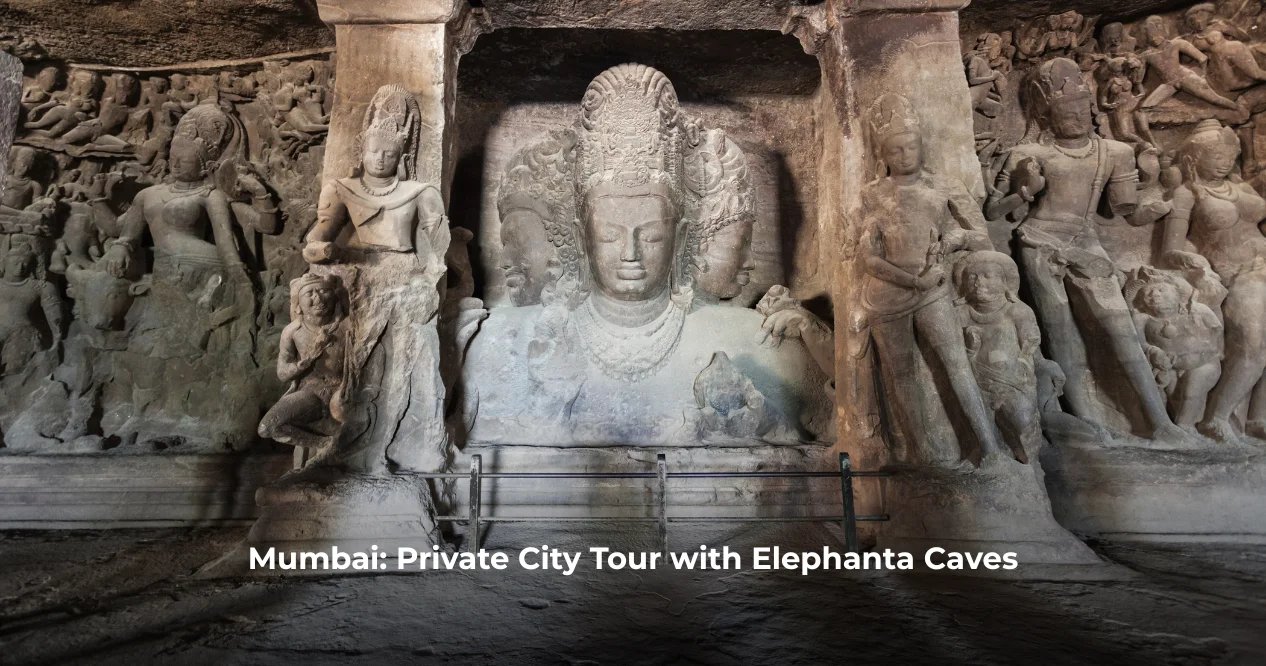
Mumbai’s waterfront, colonial-era architecture, busy neighbourhoods and sweeping Arabian Sea views create a lively introduction before the journey to Elephanta Island. The island visit adds a slower, more archaeological dimension, with the principal cave complex known for its large-scale Hindu sculpture, especially the celebrated three-faced Shiva image in the main cave.
Because this is a private city tour format, the exact flow can depend on traffic, ferry operations, the selected package and the guide’s route. Rather than assuming every stop or inclusion is guaranteed, review the current product description carefully before booking. [Add booking link].
What Visitors Can Expect
A typical day involves meeting your driver or guide in Mumbai, seeing selected city highlights, reaching the Gateway of India area and travelling by ferry across Mumbai Harbour. On Elephanta Island, visitors walk from the jetty towards the cave precinct, passing small stalls and a gradual approach that includes steps. The monument experience is self-paced only to the extent allowed by the tour schedule and local operating conditions.
The caves are historic, dimly lit in places and best appreciated with time to look closely at the carved pillars, shrines and sculptural panels. Expect warm weather for much of the year, possible queues around ferry boarding and a considerable amount of walking. The return journey to Mumbai can be affected by harbour traffic, weather and the day’s final ferry timings.
How to Plan Your Visit
Choose a Day With Comfortable Weather
Mumbai is hot and humid for much of the year, while the monsoon can bring intense rain and change sea conditions. The cooler months from roughly November to February are often easier for extended outdoor sightseeing, but they can also be popular. Check current weather, ferry notices and monument information shortly before departure.
Understand Tickets, Prices and Inclusions
Costs for this experience are not limited to one simple admission charge. A private tour may have separate or bundled elements such as transport, guide services, ferry tickets, Elephanta Caves entry, food and hotel pickup. Prices can change by group size, date, route and inclusions, so travellers should use the tripXOXO booking page to confirm exactly what is covered and what must be paid locally.
Elephanta Caves is protected by the Archaeological Survey of India, and entry arrangements can differ for domestic and international visitors. Ferry operators also maintain their own fares and schedules. Check the official website for the latest updates before relying on any third-party information.
Plan Around Timings
Starting early gives the day more breathing room and helps reduce the risk that city traffic or ferry queues will compress the island visit. Elephanta Caves is generally closed on Mondays, but official opening information and any exceptional closures should be verified before booking. A full-day plan is the most sensible approach because the harbour crossing, island walk and return ferry all require time.
Best Photo Spots
The Gateway of India waterfront is an excellent place for wide views of the monument, harbour boats and the Taj Mahal Palace hotel exterior. From the ferry, keep a camera ready for changing views of Mumbai’s skyline and the harbour. On Elephanta Island, focus on architectural details, cave entrances, columns and broad compositions of the main hall, while respecting any photography restrictions posted at the monument.
The monumental Trimurti sculpture is the site’s most recognisable visual feature, but low light and visitor movement can make photography challenging. Use a steady hand, avoid flash where prohibited and allow other visitors room to view the carvings. Early island arrival can offer a calmer atmosphere for photographs than the busiest part of the day.
Transport and Arrival Advice
For many visitors, the Gateway of India in Colaba is the practical departure point for Elephanta ferries. Mumbai traffic can be slow and unpredictable, particularly during weekday peak periods, so arrange pickup with a generous time buffer. If you are arriving independently, use a licensed taxi, app-based cab or local transport that leaves enough time for the waterfront walk and ticket process.
Keep your booking details, identification and a charged phone accessible. Ferry boarding can involve ramps, steps and crowd movement, and the island approach requires more walking than some first-time visitors expect. Confirm your meeting point with the operator the day before the tour.
Accessibility and Family Planning
The Elephanta portion of this day is not an effortless sightseeing excursion. Boarding a boat, walking from the jetty and climbing steps towards the caves can be difficult for visitors with limited mobility, balance concerns or pushchairs. Travellers needing specific assistance should discuss requirements directly with the tour provider before booking and should not assume that step-free access is available throughout the route.
Families can enjoy the combination of a boat ride, city views and dramatic cave interiors, especially with older children interested in history and sculpture. Bring water, snacks suitable for the journey, sun protection and patience for travel delays. Young children should remain close to adults near waterfront edges, boat boarding areas and uneven cave floors.
Common Mistakes to Avoid
The most common mistake is treating Elephanta as a quick add-on to a tightly packed Mumbai schedule. Ferry travel and the island walk take longer than a simple map distance suggests, and rushing can reduce the value of both the caves and the city portion. Another frequent oversight is failing to check Monday closure information, current ferry conditions or package inclusions.
Avoid arriving at the waterfront without cashless payment options, drinking water or suitable footwear. Heavy luggage is inconvenient on ferries and cave steps. It is also wise not to schedule an inflexible evening commitment immediately after the tour, as Mumbai traffic and harbour operations can affect return timing.
Visitor Tips
- Start early to give city traffic and ferry queues less influence over the day.
- Wear comfortable shoes with grip for steps, uneven ground and damp surfaces.
- Carry drinking water, sunscreen, a hat and insect protection when appropriate.
- Confirm whether ferry tickets and monument entry are included in your chosen booking.
- Check the Elephanta Caves closure day and current operating notices before travel.
- Keep a light rain layer handy during Mumbai’s monsoon season.
- Bring a charged phone and portable battery for tickets, maps and photographs.
- Use respectful behaviour around religious and archaeological sculptures.
- Allow extra time for boarding, disembarkation and the walk from the island jetty.
- Discuss mobility requirements with the operator before committing to the tour.
Nearby Things to Do
- Photograph the Gateway of India and its lively harbour setting.
- Admire the historic exterior of the Taj Mahal Palace hotel near the waterfront.
- Explore Colaba Causeway for street life, shops and cafés after the tour.
- Visit the Chhatrapati Shivaji Maharaj Vastu Sangrahalaya for art and history.
- Walk around Kala Ghoda to see galleries, heritage buildings and restaurants.
Travellers building a wider Mumbai itinerary can pair the cave excursion with waterfront heritage, museum visits and Colaba exploration on separate blocks of time. A tripXOXO CITY Pass can be worth considering when several eligible attractions or experiences fit the same travel plan, provided its current coverage, validity and booking rules match your dates.
Conclusion
Mumbai: Private City Tour with Elephanta Caves is best approached as a full-day cultural journey rather than a fast checklist of sights. With realistic timing, sensible footwear and verified ferry and ticket details, it delivers a memorable connection between Mumbai’s dynamic harbour city and the remarkable carved heritage of Elephanta Island.
Location: Mumbai, Maharashtra, India, with Elephanta Island in Mumbai Harbour.
Recommended duration: Allow a full day for city sightseeing, ferry travel, the island walk and cave exploration.
Best time to visit: November to February is generally more comfortable for outdoor sightseeing, while ferry conditions should always be checked locally.
Getting there: Most Elephanta ferry services use the Gateway of India waterfront area in Colaba, central Mumbai.
Accessibility: The island route involves boat boarding, steps and uneven walking surfaces, so visitors should confirm support needs before booking.
Family friendliness: Suitable for families who are comfortable with a long sightseeing day, ferry travel and walking around historic caves.
Frequently Asked Questions:
Q) How can travellers combine this tour with other Mumbai attractions?
A) A full-day Elephanta itinerary works best when nearby Colaba sights are planned before or after the ferry journey. The tripXOXO CITY Pass may help organise eligible experiences within a broader Mumbai stay. Check its current attraction list carefully. Leave room for traffic and harbour delays.
Q) What language is used by private tour guides in Mumbai?
A) English is commonly offered on private sightseeing tours, although language availability depends on the operator and guide roster. Request your preferred language before booking if it is important. Written confirmation is useful. Do not assume every language is available on every date.
Q) Can an attraction pass help save money on a Mumbai itinerary?
A) Savings depend on the pass price, included attractions and the number of eligible activities you actually use. The tripXOXO CITY Pass can be useful for travellers planning several covered experiences. Review exclusions before purchase. A single Elephanta-focused day may not require a pass.
Q) How should visitors plan multiple experiences around Elephanta Caves?
A) Treat the caves and ferry crossing as the central commitment of the day, then add flexible nearby activities in Colaba. The tripXOXO CITY Pass offers one possible way to coordinate eligible bookings. Check its validity period first. Avoid scheduling a fixed evening activity too tightly.
Q) How long does the Mumbai private tour with Elephanta Caves take?
A) This experience is most comfortably planned as a full day. City traffic, ferry boarding, the harbour crossing and the island walk all take time. Exact duration depends on the selected product and conditions. Confirm the current itinerary with the operator before booking.
Q) Are Elephanta Caves open every day?
A) Elephanta Caves are generally known to close on Mondays. Exceptional closures, weather issues and operational changes can still occur. Verify current monument information before setting your travel date. A tour operator can also confirm whether the planned visit is feasible.
Q) What should visitors wear for Elephanta Caves?
A) Comfortable, breathable clothing works well in Mumbai’s warm and humid climate. Choose closed or secure shoes with grip for the island approach and cave floors. A light layer can be useful on the ferry. Modest clothing is considerate at a historic religious site.
Q) Is the tour suitable for children?
A) Families often enjoy the ferry ride and the impressive cave sculptures. Children should be comfortable with a long day, steps and periods of waiting. Bring water and simple snacks for them. Adults should supervise closely near docks, boats and uneven pathways.
Q) Can visitors take photographs inside Elephanta Caves?
A) Photography can be rewarding because the caves contain striking carvings and dramatic stone interiors. Rules may differ by area, and flash or other equipment may be restricted. Follow all signs and staff instructions. Respect other visitors who are viewing the sculptures.
Q) What is the best season for visiting Elephanta Caves?
A) Cooler months, commonly from November through February, are often more comfortable for walking and city sightseeing. The monsoon creates a greener atmosphere but can bring heavy rain and variable sea conditions. Check the forecast close to departure. Ferry operations should always be confirmed locally.
Q) Is Elephanta Caves accessible for wheelchair users?
A) The route includes boat boarding, a walk from the jetty and steps near the cave complex. These conditions can make independent wheelchair access challenging. Contact the operator before booking to discuss practical support. Do not assume a fully step-free route is available.
Q) Why is Elephanta Caves a UNESCO World Heritage site?
A) Elephanta Caves is recognised for its exceptional rock-cut architecture and major Hindu sculptural tradition. The site preserves artistic and religious heritage linked to medieval India. UNESCO recognition reflects its cultural significance. Visitors can appreciate it best by allowing time beyond a quick photograph stop.
Q) What should visitors bring on the tour?
A) Bring water, sun protection, comfortable shoes and a charged phone. A small rain jacket is helpful during the monsoon season. Keep bags light for boat boarding and walking. Carry any booking confirmations and identification requested by the operator.
Q) Can the tour be affected by Mumbai weather?
A) Weather can influence comfort, traffic and ferry conditions. Heavy monsoon rain may make paths slippery and affect harbour operations. Hot conditions can also make the island walk more tiring. Check forecasts and operator updates shortly before the visit.
Q) Are food and drinks available during the experience?
A) Food arrangements vary according to the selected private tour and the places visited. There may be vendors near the waterfront and on the island, but availability should not replace preparation. Carry drinking water from Mumbai. Confirm meal inclusions directly with the booking provider.
Q) Is a guide included on the Elephanta Caves visit?
A) Guiding arrangements vary by tour package and may be included, optional or limited to certain parts of the day. A knowledgeable guide can add useful context to the cave sculptures and Mumbai landmarks. Check the current listing for details. Confirm the language of guiding if that matters to you.
Q) How early should travellers start the day?
A) An early start is sensible because Mumbai traffic and waterfront queues can be unpredictable. It also allows more time to explore the caves without rushing. Morning light can be pleasant around the harbour. Your confirmed pickup time should take priority over general advice.
Q) What should travellers check before booking this experience?
A) Review the current itinerary, pickup area, inclusions and cancellation terms before committing. Confirm ferry arrangements, monument entry and any local payments that may apply. Check the forecast and closure information near your date. Direct communication with the operator helps prevent avoidable surprises.
Q) What are the main highlights of Elephanta Caves?
A) The principal cave is renowned for monumental Hindu sculpture carved from rock. The three-faced Shiva image is the most celebrated feature for many visitors. Pillared halls and sculpted panels add to the atmosphere. Take time to notice the scale and workmanship rather than only photographing highlights.
Q) Are there many steps at Elephanta Caves?
A) Visitors should expect walking and steps between the island jetty and the cave area. The amount can feel significant in heat or humidity. Comfortable footwear makes a real difference. Those with mobility concerns should seek current advice from the operator before booking.
Q) Can luggage be taken on the ferry to Elephanta Island?
A) Small, manageable bags are much easier to handle during ferry boarding and the island walk. Large suitcases can be awkward on steps and in crowded areas. Store unnecessary luggage at your accommodation when possible. Check with the provider if you have special baggage needs.
Q) Is the tour appropriate during Mumbai monsoon season?
A) Monsoon travel can be atmospheric, but heavy rain may complicate roads, walking surfaces and sea travel. Build flexibility into your schedule during this period. Waterproof footwear or a rain layer is useful. Confirm ferry status and tour operation close to departure.
Q) Do visitors need cash for the Elephanta trip?
A) Digital payment is common in Mumbai, but a modest amount of cash can still be useful for small purchases. Requirements vary between vendors and transport arrangements. Do not depend on one payment method alone. Confirm whether any tour charges must be paid locally.
Q) How crowded are Elephanta Caves?
A) Crowds often increase on weekends, holidays and during popular travel months. Ferry queues and the main cave can feel busier around midday. Starting earlier may create a more relaxed rhythm. Patience is helpful when photographing major sculptures.