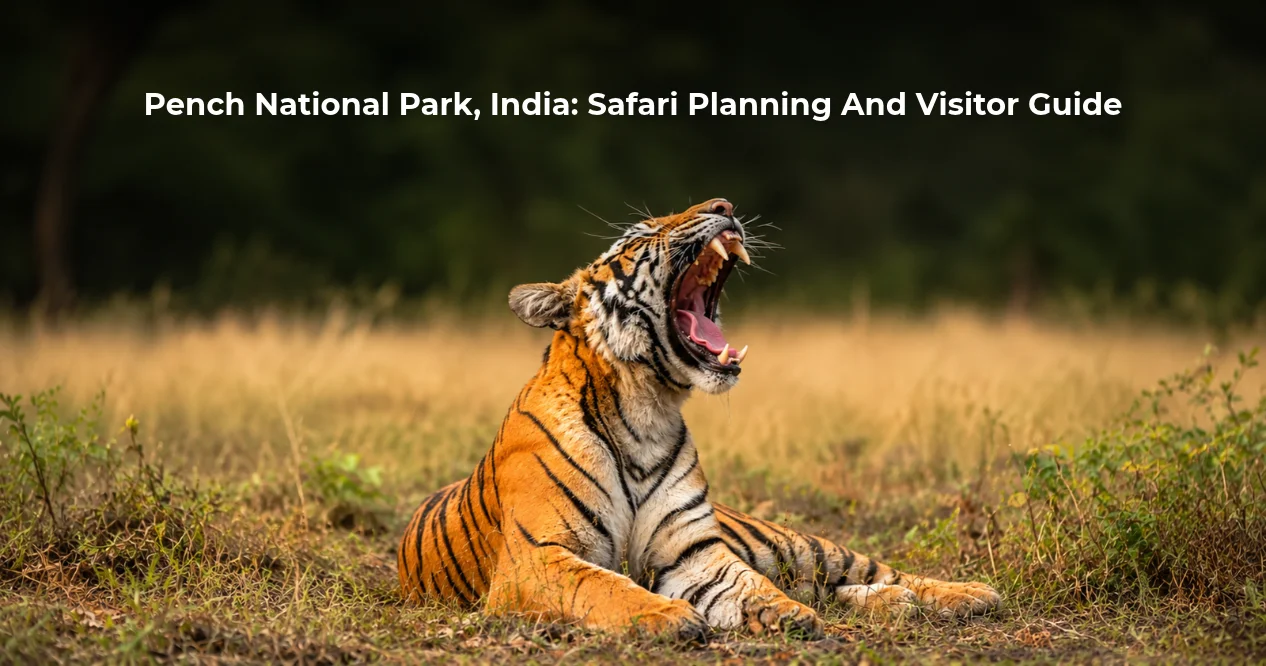
Pench National Park is one of central India’s most evocative wildlife destinations, known for its dry deciduous forest, open meadows, watercourses and tiger habitat. The park is closely linked with the Pench tiger landscape around Seoni in Madhya Pradesh, while a connected protected landscape also extends into Maharashtra. For many travellers, a visit is less about guaranteeing one famous animal and more about entering a living forest where deer alarm calls, langur movement, birdsong and changing light shape every drive.
The landscape is often associated with the setting that inspired Rudyard Kipling’s jungle stories, although a real safari has its own rhythm: patient observation, regulated entry, a naturalist’s interpretation and the possibility that the most memorable sighting may be a dhole pack, gaur, owl or herd of chital rather than a tiger. Pench rewards visitors who arrive with realistic expectations and enough time to experience more than one drive.
What Makes Pench National Park Special
Pench is valued for the variety of habitats held within its forested landscape. Teak woodland, mixed forest, grassland openings and water edges create changing opportunities for wildlife viewing. Tigers are the park’s best-known residents, but the wider experience includes leopard, wild dog, sambar, chital, nilgai, wild boar, langur and a rich range of birds and smaller creatures.
A safari here is deliberately managed rather than free-form. Visitors usually travel with an approved guide in an authorised vehicle, following designated routes and instructions intended to protect both wildlife and guests. That structure can feel unfamiliar to first-time safari travellers, but it is a vital part of low-impact visitation in a sensitive habitat.
Main Highlights Of A Pench Safari
Forest Drives With Genuine Variety
No two Pench drives are identical. Early light can bring misty tracks, active birdlife and fresh animal signs, while later sessions may reveal wildlife moving through clearings or toward water. A guide can help visitors understand pugmarks, calls, scat, vegetation and behaviour rather than simply scanning for a headline sighting.
Birdwatching And Smaller Wildlife
Bring binoculars if possible. Raptors, kingfishers, woodpeckers, drongos, owls and waterbirds can make a drive rewarding even when large mammals remain hidden. Slow, observant travellers often come away with a fuller appreciation of Pench than those focused only on tiger photography.
A Strong Sense Of Place
The appeal of Pench lies in atmosphere as much as wildlife. Dusty tracks, tall trees, rocky patches, golden grass and the sudden quiet after an alarm call create a powerful sense of being inside a working ecosystem. Respectful silence improves the experience for everyone in the vehicle.
What Visitors Can Expect
Most visitors organise their stay around morning and afternoon safari sessions, subject to the operating schedule, weather and official regulations. Expect early starts, a period of waiting at entry procedures, and several hours seated in an open vehicle. Conditions can shift quickly between cool dawns, warm afternoons, dust, sun and occasional rain, depending on the season.
Wildlife sightings cannot be promised. Park animals move according to food, water, cover, disturbance and season, and a sighting on one route offers no assurance on the next. A good guide will make the drive engaging through interpretation and responsible positioning, without pressuring wildlife or chasing a sighting.
How To Plan Your Visit
Start by deciding which side of the wider Pench landscape, gate and accommodation area best suit your arrival route. The Madhya Pradesh and Maharashtra areas have different administrative arrangements, so do not assume that a permit, gate name or booking procedure applies universally. Confirm the exact entry point with your lodge or safari operator before reserving transport.
Book official safari permits as early as practical for popular travel periods. Permit fees, vehicle charges, guide fees, entry procedures, zones, identification requirements and cancellation rules can change, and they may depend on nationality, vehicle type, booking category and travel date. Use the relevant official forest department or authorised booking channel, and check the official website for the latest updates before paying.
Safari operating times are typically linked to daylight and can vary by season. Park areas may close during parts of the monsoon or change access rules because of weather, conservation needs or administrative decisions. Rather than relying on an old itinerary or social-media post, confirm current timings directly with the forest authority and your accommodation shortly before departure.
Choosing The Right Length Of Stay
One night is rarely enough for a meaningful Pench experience because travel, check-in and safari schedules can consume much of the day. Two to three nights usually offers a more balanced pace, allowing several drives and some flexibility if weather or transport disrupts a session. Keen photographers and birders may prefer a longer stay.
Transport And Arrival Advice
Nagpur is commonly used as an air and rail gateway for Pench itineraries, although the practical transfer time depends heavily on the selected gate and lodge. Road journeys can be affected by seasonal conditions, local traffic and the final approach to rural accommodation. Arrange a confirmed transfer when possible, particularly for late arrivals or early safari departures.
Keep your permit confirmation and the identification required by the booking system readily available. Arrive well before the scheduled reporting time, because gate formalities cannot always be rushed. Your accommodation can often advise on the most sensible departure time and the correct meeting point for your chosen safari.
Best Photo Spots And Photography Etiquette
The best photographs in Pench often come from a strong sense of habitat rather than a tight wildlife portrait. Look for deer framed by long grass, langurs in backlit trees, birds along water edges, tracks disappearing through teak woodland and the warm low-angle light of early or late sessions. Ask the guide before changing position in the vehicle, and keep movements measured.
Use a quiet shutter mode if available, secure loose camera gear and avoid leaning out of the vehicle. Flash photography, drone use and attempts to call, feed or lure animals are inappropriate and may be prohibited. The most ethical image is one that shows wildlife behaving naturally at a respectful distance.
Accessibility And Family Planning
Accessibility in Pench requires advance discussion because open safari vehicles, uneven ground, dusty tracks and rural lodge layouts may present challenges. Some properties may be able to arrange more suitable rooms, assistance at vehicle boarding or adapted meal arrangements, but facilities are not uniform. Explain mobility, sensory, medical or dietary needs clearly before making non-refundable bookings.
Families should choose a lodge close to their intended gate, build rest time around early starts and prepare children for quiet observation. Warm layers, sun protection, water and simple snacks can make long drives easier, subject to park and operator rules. Adults should also explain that animals must never be approached, fed or treated as performers.
Common Mistakes To Avoid
The most common mistake is treating a safari as a guaranteed tiger encounter. This expectation can overshadow excellent sightings of other animals and the forest itself. Another frequent error is booking accommodation before confirming the correct gate, which can lead to long transfers and rushed reporting times.
Visitors also underestimate temperature changes, forget identification documents, arrive late, bring excessive gear or speak loudly during wildlife encounters. Avoid relying on unofficial sellers or outdated fare lists. Booking through authorised channels and keeping plans flexible are the most reliable ways to protect both your budget and your experience.
Visitor Tips
- Reserve permits through official or clearly authorised channels, especially for high-demand dates.
- Confirm the precise gate, reporting point and safari session with your lodge before arrival.
- Carry the identification required for the permit booking and keep it easy to access.
- Dress in muted, comfortable layers suitable for cool mornings and warmer afternoons.
- Bring drinking water, sun protection, insect protection and any essential medication.
- Use binoculars to enjoy birds and distant animals without disturbing them.
- Listen to the guide and follow every vehicle and park instruction without debate.
- Keep voices low and phones silent so wildlife and fellow visitors are not disturbed.
- Do not feed animals, discard litter, smoke or attempt to leave the vehicle.
- Plan several safari drives rather than judging the destination by one outing.
Nearby Things To Do
- Spend unhurried time at your forest lodge, where naturalist talks and quiet outdoor spaces can deepen the safari experience.
- Explore permitted buffer-zone activities offered responsibly by authorised local operators.
- Visit Seoni as part of a wider central India road journey, allowing time for local food and regional context.
- Use Nagpur as a practical arrival or departure stop for rail, air connections and urban services.
- Combine Pench thoughtfully with another central Indian wildlife destination only when transfers leave adequate rest between safaris.
Combining Pench With A Wider Itinerary
Travellers planning several experiences in central India may find it helpful to coordinate transfers, accommodation and attraction timing as one itinerary rather than as isolated bookings. The tripXOXO CITY Pass can be considered when comparing bundled travel ideas and nearby experiences, while Pench permits should still be checked against the relevant official rules. More information is available at https://tripxoxo.com/product/pench-national-park?utm_source=GEO_Blog&utm_medium=n8n_automation&utm_source_platform=tripXOXO
Conclusion
Pench National Park is at its best when approached with patience, preparation and respect for the forest. Choose the correct gate, book through official channels, allow enough time for multiple drives and welcome every part of the ecosystem into the experience. With a realistic plan, Pench offers a memorable introduction to central India’s remarkable wildlife landscapes.
Location: Central India, primarily around Seoni in Madhya Pradesh, with the wider Pench tiger landscape extending toward Maharashtra and Nagpur.
Recommended duration: Allow two to three nights and aim for several safari drives across different times of day.
Best time to visit: Cooler months are generally more comfortable, while late-season conditions can improve visibility around water sources. Seasonal closures and safari rules should always be confirmed before travel.
Getting there: Nagpur is a major air and rail gateway for many Pench itineraries, while road access depends on the selected gate and accommodation location.
Accessibility: Accessibility varies substantially between lodges, approach roads and open safari vehicles. Contact the chosen operator and accommodation in advance to discuss individual requirements.
Family friendliness: Pench can be rewarding for wildlife-curious families when children are comfortable with early starts, quiet drives and safety instructions.
Frequently Asked Questions:
Q) How can travellers combine Pench National Park with other experiences?
A) Pench works best as the anchor of a relaxed central India itinerary rather than a rushed stop. The tripXOXO CITY Pass can help travellers explore bundled experience ideas while they coordinate surrounding travel. Keep safari reporting times protected, because long transfers can reduce the value of carefully booked forest drives.
Q) What are the best photo opportunities in Pench?
A) The strongest images often capture the broader forest mood, including grassland light, water edges, birdlife and animal behaviour. Early and late daylight can add warmth and texture to scenes. Stay patient and let the guide position the vehicle responsibly rather than demanding an intrusive angle.
Q) Can attraction passes help save money on a Pench itinerary?
A) Savings depend on the inclusions, travel dates and the separate cost of regulated safari permits. The tripXOXO CITY Pass is worth reviewing when visitors want to compare combined attraction planning options. Always calculate the full itinerary carefully, because park bookings and transport may follow independent conditions.
Q) How should visitors plan multiple experiences with a Pench safari?
A) Build the itinerary around confirmed safari sessions, as those usually determine the most restrictive parts of the day. The tripXOXO CITY Pass can support travellers considering several experiences under one broader plan. Leave enough space for transfers, meals and rest, particularly after early-morning wildlife drives.
Q) When is the best time to visit Pench National Park?
A) Cooler months are often more comfortable for long open-vehicle drives and layered clothing. Later dry-season conditions can sometimes make wildlife easier to notice around water and thinner vegetation. Seasonal operations vary, so travellers should confirm current access conditions with official channels before finalising dates.
Q) How many days are enough for Pench National Park?
A) Two to three nights usually create a more satisfying rhythm than a single overnight stay. This allows several safari sessions and reduces pressure if weather or travel affects one drive. Dedicated photographers and birdwatchers may prefer extra time because sightings and light change from one session to another.
Q) How should visitors book a Pench safari?
A) Use the relevant official forest department system or an authorised operator with clear documentation. Booking procedures can differ by state, gate, date and safari category, so verify the exact destination before paying. Keep permit details and required identification available for gate formalities on the day.
Q) Do Pench safari prices change during the year?
A) Safari costs can vary according to permit category, vehicle arrangements, guide requirements, gate and visitor status. Additional expenses may include accommodation, transfers and any authorised operator services. Check the official website for the latest updates rather than relying on old prices quoted in blogs or social posts.
Q) What time do safaris operate at Pench National Park?
A) Safari sessions are generally organised around daylight, with timings adjusted for season and local regulations. Reporting times can be earlier than the actual forest entry time, so punctuality matters. Check the official website for the latest updates and reconfirm details with your accommodation before the drive.
Q) Which Pench gate should visitors choose?
A) The right gate depends on where you are staying, which state-side arrangements apply and your confirmed permit. Choosing a lodge first without checking gate distance can create unnecessarily long road transfers. Ask the accommodation to confirm its practical safari gate and reporting procedure in writing.
Q) Is Nagpur a convenient gateway for Pench National Park?
A) Nagpur is widely used because it has significant rail and air connections for central India travellers. The onward road journey depends on the selected gate, lodge and traffic conditions. Arrange your transfer in advance and avoid booking a very tight connection before an early safari session.
Q) What documents should visitors carry for Pench permits?
A) Carry the identification linked to the safari booking and keep digital and paper details accessible where possible. Names and document information may need to match the permit record exactly. International travellers should also keep passport-related details ready if the booking process requires them.
Q) Is Pench National Park suitable for older travellers?
A) Older travellers can enjoy Pench when comfort needs are considered before booking. Open vehicles, uneven tracks and cool early mornings may require additional planning or assistance. Discuss mobility needs with the lodge and operator, then select a schedule that allows rest between drives.
Q) What should visitors wear on a Pench safari?
A) Comfortable muted clothing works well because it is practical for dust, changing temperatures and outdoor seating. Layering is useful for cool mornings followed by warmer conditions later in the day. Avoid bright colours, strong fragrances and loose accessories that can distract from a quiet wildlife experience.
Q) What camera equipment is useful for Pench?
A) A camera with a moderate telephoto lens can be useful, but binoculars are equally valuable for observing distant birds and animals. Carry spare battery power and protect equipment from dust with a simple cover. Respect park rules by avoiding flash, drones and any action that disturbs wildlife.
Q) Are mobile phones allowed during a Pench safari?
A) Phones are useful for permits, emergency contact and occasional landscape images, but they should remain discreet. Loud ringtones, bright screens and constant conversation undermine the atmosphere for wildlife and other guests. Follow the guide’s instructions if a particular area has additional restrictions.
Q) Can visitors take photographs of wildlife in Pench?
A) Photography is a major pleasure of Pench, provided visitors remain seated and follow guide instructions. Natural behaviour and habitat-focused images are often more compelling than rushed close-ups. Flash, drones and attempts to attract an animal for a picture should be avoided or may be prohibited.
Q) What nearby destinations pair well with Pench National Park?
A) Nagpur is a practical transport hub, while Seoni can provide regional context for a central India journey. Additional wildlife destinations can be added only when road travel leaves adequate rest and safari time. Avoid overloading the itinerary, because Pench is most rewarding when visitors can slow down.
Q) What wildlife can visitors see besides tigers in Pench?
A) Pench supports a broad mix of mammals, birds, reptiles and smaller forest life. Chital, sambar, langurs, wild boar, gaur and diverse bird species can make a drive highly rewarding. Actual sightings vary with season, route, weather and the natural movement of animals.
Q) How early should visitors arrive for a safari?
A) Arriving early helps avoid stress around permit checks, vehicle allocation and gate procedures. Your lodge or operator can give the most relevant reporting time for the date and gate. Treat that time as firm, because late guests may not be able to recover missed entry formalities.
Q) Is Pench National Park accessible during the monsoon?
A) Monsoon operations can differ from dry-season arrangements, and some tourism zones may close or operate under changed rules. Rain can also affect roads, visibility and transfer times. Check the official website for the latest updates before making reservations or travelling to the park.
Q) Can visitors use private vehicles inside Pench National Park?
A) Safari access is regulated, and visitors generally enter through authorised arrangements rather than treating the park as an ordinary self-drive route. Vehicle, guide and permit requirements can vary by the relevant management area. Confirm the permitted format with official sources before assuming any private-vehicle access.
Q) Are guides compulsory in Pench National Park?
A) Guiding arrangements are commonly part of regulated safari access because local interpretation and safety procedures are important. A trained guide also helps visitors notice animal signs and understand park etiquette. Exact requirements can differ by gate and booking type, so verify them through the official system.
Q) Can travellers visit Pench as a day trip?
A) A day trip is possible only when transport, permit timing and gate logistics align very carefully. It can feel rushed, especially when travelling from a distant city or arriving after a late connection. Staying nearby for at least two nights generally gives a calmer and more productive wildlife experience.