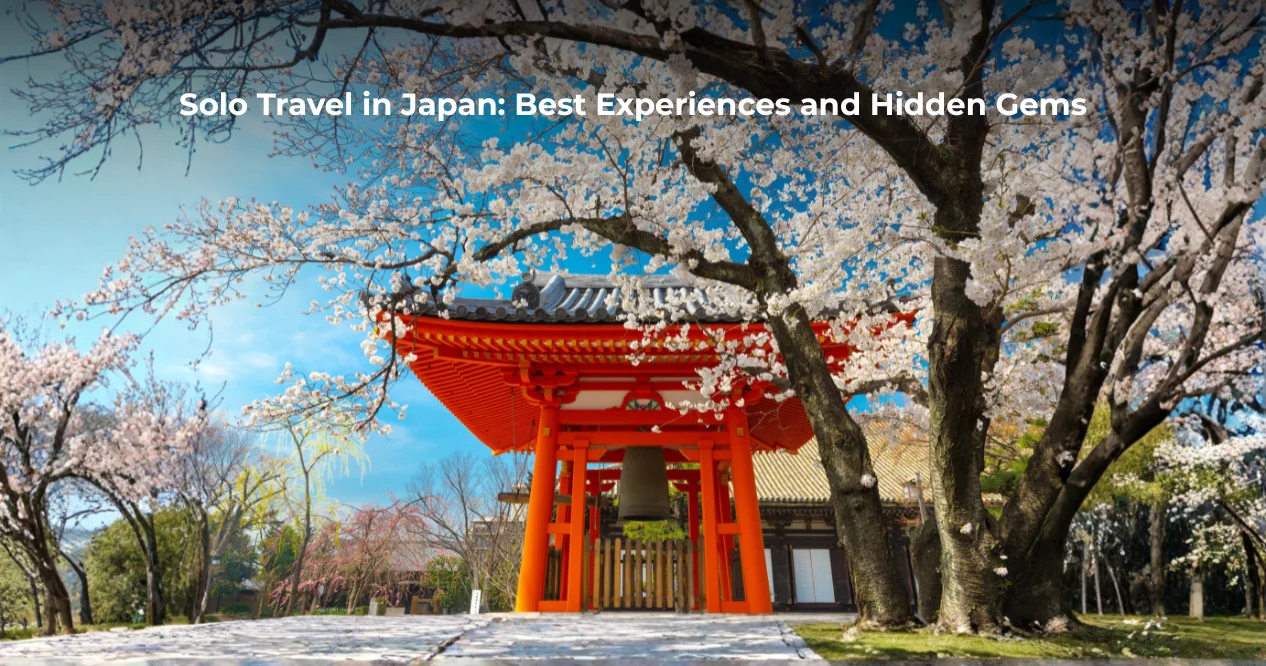
Japan has a knack for making solo travel feel like an adventure rather than a compromise. One minute you are slipping into a tiny Tokyo ramen shop built around counter seats; the next, you are wandering a cedar-lined pilgrimage trail, soaking in an onsen, or catching a local train toward a town you had barely heard of yesterday.
Efficient transport, plentiful convenience stores and restaurants designed for individual diners make independent travel relatively straightforward. Better still, travelling alone gives you the freedom to linger at a shrine, chase autumn colour or change dinner plans the instant you spot an intriguing izakaya.
Tokyo: Turn Going Solo Into a Superpower
Tokyo rewards curiosity. Start early at Meiji Jingu before exploring Harajuku and Omotesando, then swap the famous crossings for quieter neighbourhoods such as Yanaka, where narrow streets, small temples and traditional shops reveal a gentler side of the capital.
Solo dining is refreshingly normal here. Ramen counters, sushi bars, standing soba shops and casual set-meal restaurants are particularly easy to navigate alone. For an evening adventure, explore the compact bars and eateries around areas such as Ebisu or the lanes of western Tokyo rather than trying to tick off every nightlife district.
Travel Tip: Get a rechargeable IC transit card where available, or use a compatible mobile version, for convenient train, subway, bus and small-purchase payments. Card availability and mobile compatibility can vary, so check current transport guidance before arrival.
Kyoto: Temples, Backstreets and Early-Morning Magic
Kyoto's headline sights can become extremely busy, making timing especially important for solo travellers. Visit Fushimi Inari Taisha early in the morning and continue beyond the densest cluster of visitors; the forested ascent becomes increasingly atmospheric as you climb.
For a quieter wander, explore northern Higashiyama and the Philosopher's Path, particularly outside peak hours. Another rewarding choice is Kurama and Kibune in Kyoto's northern mountains, where forest paths, temples and riverside scenery feel far removed from the city centre.
Markets, tea shops and neighbourhood restaurants add another layer. Nishiki Market is famous, but independent travellers should also leave room for smaller shopping streets and family-run places away from Kyoto's busiest sightseeing corridors.
Travel Tip: Kyoto buses can become crowded around major attractions. Trains and subways, combined with walking, are often more predictable, especially during cherry-blossom and autumn foliage periods.
Go Beyond the Golden Route
Japan becomes even more memorable when you add a smaller city or rural region. Kanazawa is an accessible choice for traditional districts, contemporary culture and Kenrokuen, one of the country's celebrated landscape gardens. Its relatively compact centre works particularly well when you are setting your own pace.
For something more adventurous, consider part of the Kumano Kodo pilgrimage network on the Kii Peninsula. Ancient routes weave between forests, shrines and small communities, offering a striking contrast to Japan's megacities.
The Shimanami Kaido, connecting Honshu and Shikoku across islands of the Seto Inland Sea, is another memorable solo experience. Cycling lets you dictate the pace, stopping for sea views, local food and island detours whenever something catches your eye.
Travel Tip: Do not assume a nationwide rail pass is automatically the cheapest option. Compare current pass prices with individual tickets and regional rail passes after sketching your route. Seat reservations are particularly sensible during major Japanese holiday periods.
Onsen, Ryokan and the Art of Slowing Down
A night at a ryokan can transform a fast-paced Japan itinerary. Tatami rooms, seasonal meals and hot-spring bathing invite you to stop sightseeing and simply enjoy where you are. Onsen towns such as Kinosaki are especially enjoyable because bathing itself becomes the evening activity.
Travelling alone can require a little more searching when booking traditional inns because some accommodation plans are priced or configured for two guests. Filter specifically for one-person stays and reserve early when visiting popular onsen towns.
Travel Tip: Learn basic onsen etiquette before entering: wash thoroughly first, enter the bath without swimwear unless the facility specifically states otherwise, and keep your small towel out of the water. Tattoo policies differ considerably between facilities, so confirm the current rules when booking.
Make Your Solo Japan Trip Run Smoothly
Pack lightly. Japan's railway stations can be enormous, and navigating platforms is much easier without oversized luggage. Coin lockers and luggage-forwarding services can simplify multi-city itineraries, although availability, delivery times and size limits should always be checked.
Offline maps, a data connection and a few Japanese phrases are useful outside major tourist areas. Japan is often convenient for independent travellers, but normal precautions still matter: watch your belongings, know how you will return to your accommodation after trains stop running, and keep emergency information accessible.
The best solo itinerary is not necessarily the one with the most stops. Give yourself unscheduled hours for neighbourhood walks, spontaneous meals and local trains. Pick Tokyo or Kyoto as an anchor, add one slower destination such as Kanazawa or an onsen town, then choose a bigger adventure like the Kumano Kodo or Shimanami Kaido.
Ready to go? Build an itinerary around the experiences that excite you most, check current transport and accommodation details, and leave enough breathing room for Japan to surprise you. [add booking link]
Frequently Asked Questions
1. Is Japan suitable for solo travel?
Yes. Extensive public transport, abundant solo-friendly restaurants and well-developed travel infrastructure make Japan relatively easy to explore independently, although standard travel precautions remain important.
2. Where should a first-time solo traveller visit in Japan?
Tokyo and Kyoto make strong starting points. Adding Kanazawa, an onsen town or another smaller destination provides a useful contrast to the major cities.
3. Is eating alone common in Japan?
Yes. Ramen counters, sushi bars, soba shops and casual set-meal restaurants frequently accommodate individual diners.
4. How can I avoid Kyoto's biggest crowds?
Visit popular sites such as Fushimi Inari early, walk farther along major routes and use quieter areas such as northern Higashiyama, Kurama and Kibune.
5. Should I buy a nationwide rail pass?
Not automatically. Compare the current pass price against individual fares and regional passes based on your actual itinerary before purchasing.
6. What outdoor adventures work well for solo travellers?
The Shimanami Kaido offers flexible cycling through the Seto Inland Sea, while the Kumano Kodo provides scenic pilgrimage routes for travellers seeking a hiking-focused experience.
7. Can solo travellers stay at a ryokan?
Yes, although not every accommodation plan accepts single guests. Search specifically for one-person rooms or plans and book popular onsen destinations well ahead.
8. What should I know before visiting an onsen?
Wash before entering, follow the facility's bathing rules and check tattoo policies in advance. Traditional communal baths generally do not permit swimwear.