Imagine gliding along a shimmering canal as centuries-old palaces rise from the water, church bells echo across sunlit squares, and gondolas drift beneath romantic stone bridges. Welcome to Venice, Italy—a floating masterpiece where every winding alleyway leads to another unforgettable discovery!
But Venice is so much more than gondola rides and postcard-perfect scenery. Beyond its famous landmarks, you'll discover colorful island villages, tucked-away wine bars, magnificent art collections, and authentic Venetian traditions that make this extraordinary city feel like nowhere else on Earth.
Whether you're visiting for a romantic weekend, a cultural adventure, or your first Italian escape, this guide to the top-rated attractions in Venice reveals the essential sights, memorable experiences, and local secrets worth adding to your itinerary.
1. Explore St. Mark's Square and Venice's Most Famous Landmarks
No visit to Venice is complete without experiencing Piazza San Marco (St. Mark's Square), the magnificent heart of the city. Surrounded by elegant architecture, historic cafés, and remarkable monuments, this legendary square offers an unforgettable introduction to Venetian grandeur.
St. Mark's Basilica: A Golden Architectural Wonder
Step inside St. Mark's Basilica and prepare to be amazed. Glittering golden mosaics, intricate marble floors, and spectacular Byzantine architecture make this one of Italy's most extraordinary churches.
Look closely at the elaborate mosaics covering the ceilings. They tell centuries-old religious stories through thousands of shimmering tiles.
For an especially memorable experience, consider visiting the basilica's museum and upper-level viewing areas when available. The elevated perspective offers wonderful views across St. Mark's Square.
Travel Tip: Reserve admission through the basilica's official booking service when possible. Dress respectfully, with shoulders and knees covered, and check current entry restrictions before visiting.
Doge's Palace: Step Into Venice's Powerful Past
Just steps away, Doge's Palace (Palazzo Ducale) reveals the fascinating history of the Venetian Republic.
Walk through lavishly decorated chambers, admire enormous Renaissance paintings, and explore the rooms where Venice's rulers once made decisions that shaped Mediterranean trade and politics.
One of the most memorable experiences is crossing the famous Bridge of Sighs, which connected the palace's interrogation rooms to the historic prisons.
The bridge is beautiful from outside, but walking through its enclosed passage offers an entirely different perspective.
Travel Tip: Allow approximately two hours to explore Doge's Palace. Booking ahead is especially helpful during busy spring, summer, and holiday periods.
Climb St. Mark's Campanile for Spectacular Views
Want to see Venice from above? Head up St. Mark's Campanile, the famous bell tower overlooking the square.
From its observation level, admire terracotta rooftops, church domes, the Venetian Lagoon, and distant islands.
On clear days, the panoramic views are absolutely breathtaking.
Travel Tip: Visit early in the day or later in the afternoon for attractive lighting and potentially shorter queues. Lift access is normally available, but operating arrangements can change.
2. Discover the Grand Canal, Rialto Bridge, and Venice's Romantic Waterways
Venice's waterways aren't simply transportation routes. They're the city's beating heart.
Exploring them is one of the most exciting ways to appreciate Venice's extraordinary architecture and timeless atmosphere.
Ride Along the Grand Canal
The Grand Canal curves through Venice like a giant S, passing magnificent palaces, historic churches, and bustling waterfront neighborhoods.
While private boat tours offer comfort and flexibility, you don't need a luxury budget to enjoy these spectacular sights.
Hop aboard ACTV vaporetto Line 1, the public water bus that travels along the Grand Canal with frequent stops.
You'll glide past architectural treasures, including:
- Ca' d'Oro: A stunning Gothic palace famous for its delicate façade.
- Ca' Rezzonico: An elegant palace showcasing eighteenth-century Venetian life.
- Santa Maria della Salute: A magnificent domed church near the canal's entrance.
- Rialto Bridge: Venice's iconic stone bridge and one of its most photographed landmarks.
Travel Tip: Choose a seat near a window or an available outdoor viewing area for the best scenery. Validate or activate your ticket as required, and check current ACTV fares before boarding.
Visit Rialto Bridge and Its Historic Market
The Rialto Bridge is one of Venice's most recognizable attractions, and its sweeping views of the Grand Canal make it an essential stop.
But don't rush away after taking your photographs!
Nearby, the historic Rialto Market offers a fascinating glimpse into everyday Venetian life.
Browse colorful produce stalls, discover seasonal ingredients, and watch local residents shopping for fresh food.
The fish market is particularly interesting when operating, although opening days and hours vary.
Travel Tip: Visit the Rialto Market in the morning, preferably on a regular market day. You'll experience a livelier atmosphere before many sightseeing crowds arrive.
Experience an Authentic Venetian Gondola Ride
Yes, gondola rides are famous. Yes, they're touristy. And yes, they can still be magical!
Traditional black gondolas have navigated Venice's waterways for centuries, and traveling through its narrow canals provides an intimate perspective of the city.
You'll pass quiet courtyards, low stone bridges, and weathered buildings that are difficult to appreciate from the main streets.
For a more peaceful experience, choose a departure point away from St. Mark's Square and the busiest stretches of the Grand Canal.
Travel Tip: Venice's published standard gondola fares have been €90 for a daytime 30-minute ride and €110 for an evening 35-minute ride. Confirm current official rates, duration, and any extras before boarding. Prices are generally per gondola, not per passenger.
3. Escape to Murano, Burano, and Venice's Colorful Lagoon Islands
Ready to discover a different side of Venice?
Beyond the crowded historic center, the Venetian Lagoon contains charming islands filled with traditional crafts, colorful houses, and wonderfully relaxed atmospheres.
Murano: Discover Venice's Legendary Glassmaking
Just a water-bus journey from central Venice, Murano has been associated with exceptional glassmaking for more than 700 years.
Here, skilled artisans transform molten glass into delicate sculptures, chandeliers, jewelry, and decorative objects.
Watching a glassmaker work is fascinating. Within minutes, glowing liquid glass becomes an intricate piece of art.
Visit the Murano Glass Museum to explore the island's artistic heritage and see remarkable examples of Venetian glass craftsmanship.
Travel Tip: Choose a reputable workshop that clearly explains demonstration fees and purchasing arrangements. Genuine Murano-made pieces can be expensive, so ask about authenticity before buying.
Burano: A Rainbow-Colored Island Paradise
If you love photography, Burano might become your favorite place in the Venetian Lagoon.
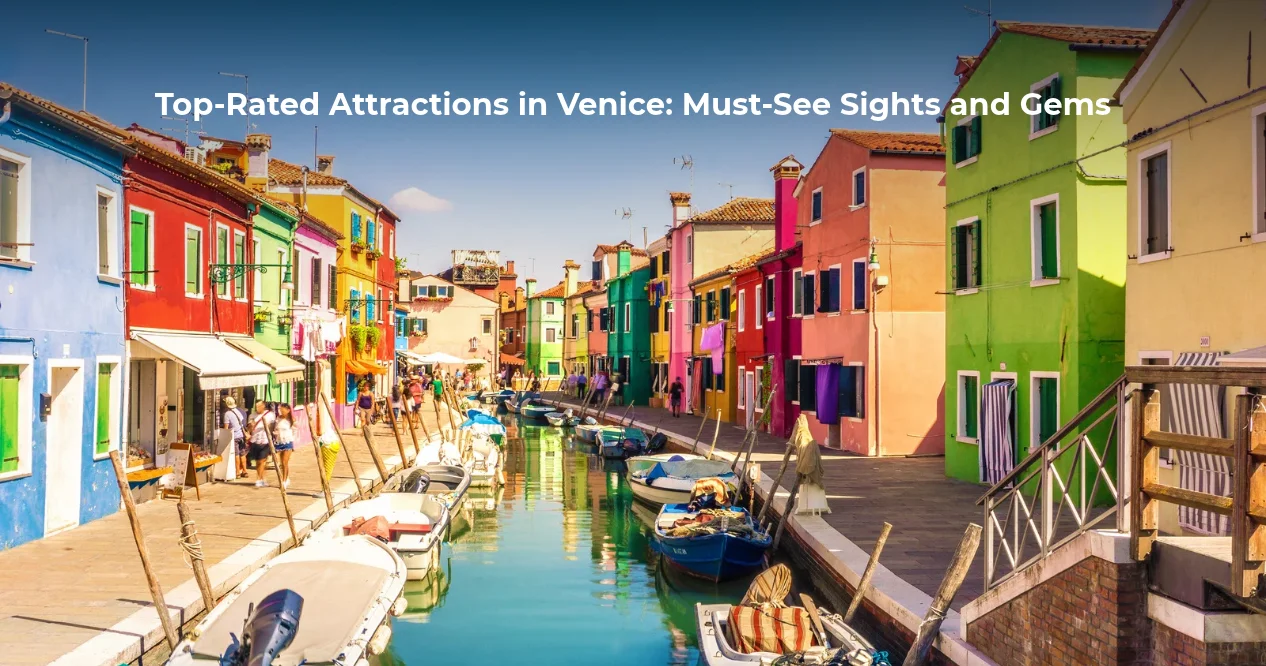
This enchanting fishing island is famous for rows of brightly painted houses reflected in quiet canals.
Picture turquoise walls, pink doorways, sunshine-yellow buildings, and charming bridges connecting narrow streets.
Burano is also celebrated for its traditional lace-making heritage.
Visit the Lace Museum to learn about this intricate craft, or browse local workshops for handmade souvenirs.
When hunger strikes, try a traditional seafood dish at a neighborhood restaurant.
Travel Tip: Allow at least half a day for Burano if traveling from central Venice. Combining Murano and Burano into one outing is possible, but a relaxed full-day excursion is more enjoyable.
Torcello: Discover the Lagoon's Peaceful Past
For something quieter, continue to Torcello, one of the lagoon's historically significant islands.
Unlike bustling central Venice, Torcello feels wonderfully rural, with walking paths, greenery, and ancient religious monuments.
Its standout attraction is the Basilica di Santa Maria Assunta, celebrated for its extraordinary Byzantine mosaics.
It's an excellent destination for travelers interested in history and peaceful surroundings.
Travel Tip: Combine Torcello with Burano if ferry schedules allow. Check return connections carefully, particularly outside the busiest travel season.
4. Find Hidden Gems, Local Food, and Authentic Venetian Experiences
Some of Venice's most memorable discoveries happen when you leave the busiest sightseeing routes behind.
Wander into quieter neighborhoods, follow narrow passageways, and discover the traditions that locals continue to cherish.
Explore Cannaregio and the Historic Jewish Ghetto
Cannaregio offers a fascinating combination of neighborhood life, historic architecture, and atmospheric canals.
Compared with the busiest areas around St. Mark's Square, many of its side streets feel noticeably calmer.
Explore the Venetian Jewish Ghetto, established in 1516, and discover an important chapter of the city's cultural history.
The area contains historic synagogues, Jewish heritage sites, and quiet squares worth exploring respectfully.
Later, settle into a canal-side café and watch everyday Venetian life unfold.
Travel Tip: Visit Cannaregio during the late afternoon, then stay for an early evening meal. Check access arrangements if you plan to visit synagogues or heritage museums.
Eat Cicchetti Like a Venetian
Forget rushing through another predictable tourist menu. One of Venice's most delicious traditions is cicchetti!
These small Venetian snacks are commonly served in traditional wine bars called bacari.
Popular options include:
- Baccalà mantecato: Creamy whipped salt cod, often served on bread or polenta.
- Sarde in saor: Sweet-and-sour sardines with onions, traditionally prepared with vinegar and often raisins and pine nuts.
- Polpette: Flavorful fried meatballs or vegetable variations.
- Crostini: Small slices of bread topped with savory ingredients.
Pair your snacks with a small glass of local wine, traditionally called an ombra, or enjoy a Venetian spritz.
The experience is informal, delicious, and ideal for discovering several local flavors without committing to a large restaurant meal.
Travel Tip: Explore bacari around Cannaregio, San Polo, and Dorsoduro. Check prices before ordering, particularly when choosing seafood specialties sold by portion or weight.
Discover Dorsoduro's Art and Beautiful Waterfront
Art lovers should make time for Dorsoduro, a lively district packed with galleries, historic buildings, and attractive canals.
Visit the Gallerie dell'Accademia to admire masterpieces of Venetian painting.
For modern art, explore the Peggy Guggenheim Collection, housed in a beautiful palace overlooking the Grand Canal.
Then wander toward the Zattere waterfront, where wide promenades offer beautiful views across the Giudecca Canal.
It's a wonderful place to enjoy a gelato or relax beside the water.
Travel Tip: Plan museum visits around official opening schedules. Some collections close on particular weekdays, and popular exhibitions may require advance reservations.
Visit Libreria Acqua Alta, Venice's Quirkiest Bookshop
Looking for something truly unusual?
Step into Libreria Acqua Alta, an eccentric bookshop where books are displayed in bathtubs, waterproof containers, and even a gondola.
These creative arrangements reflect Venice's constant relationship with water and occasional flooding.
Explore its maze-like interior, browse vintage books, and discover one of the city's most distinctive little attractions.
Travel Tip: Visit outside peak afternoon hours when possible. The bookshop is small and popular, so be considerate of other visitors and customers.
5. Plan Your Venice Adventure: Best Times, Transport, and Smart Travel Tips
Venice rewards curious travelers, but a little planning can make your experience considerably smoother.
From choosing your travel dates to navigating the canals, these practical tips will help you make the most of your visit.
When Is the Best Time to Visit Venice?
April to May and September to October are often excellent periods for sightseeing, with generally milder temperatures than midsummer.
However, these months can still be busy, particularly around holidays and major events.
June to August brings long daylight hours, lively outdoor dining, and warm weather, but also heavier crowds, humidity, and higher accommodation demand.
November to February offers a different atmosphere, with quieter periods, misty canals, and occasional opportunities for lower hotel rates outside major events.
Winter visitors should be prepared for chilly weather and possible acqua alta, Venice's seasonal high-water phenomenon.
Travel Tip: Check Venice's official high-water forecasts before traveling during autumn or winter. Waterproof footwear can be useful when elevated tides are predicted.
How to Get Around Venice
One of Venice's greatest pleasures is that its historic center is largely car-free.
Most sightseeing happens on foot, by vaporetto, or occasionally by water taxi.
Walking: Usually the best option for discovering hidden squares, picturesque bridges, and local shops.
Vaporetto: Ideal for traveling along the Grand Canal, reaching distant neighborhoods, and visiting lagoon islands.
Water taxi: Convenient for private transfers, particularly with luggage, but significantly more expensive.
Traghetto: A traditional gondola ferry that crosses the Grand Canal at selected points when operating.
Travel Tip: If you expect to use public water buses frequently, compare ACTV multi-day passes against individual fares. Passes can offer better value, but walking may save money on shorter visits.
Understand Venice's Visitor Access Fee
Venice introduced a visitor access fee for certain day visitors entering its historic center on designated dates.
The rules, applicable dates, exemptions, and payment procedures can change between seasons.
Visitors staying overnight in registered accommodation within the municipality are generally exempt from the access fee, although accommodation taxes and documentation requirements may still apply.
Travel Tip: Before arriving, consult the City of Venice's official visitor access information for your exact travel date. Don't assume the fee applies every day or that all visitors must pay.
How Many Days Do You Need in Venice?
One day: Focus on St. Mark's Square, Rialto Bridge, and a scenic Grand Canal journey.
Two days: Add Doge's Palace, Cannaregio, local cicchetti bars, and an evening walk through quieter neighborhoods.
Three days: Include a lagoon island excursion to Murano and Burano, along with Dorsoduro's museums and waterfront.
Four or more days: Explore Torcello, discover lesser-known churches, enjoy longer neighborhood walks, and experience Venice at a more relaxed pace.
Travel Tip: Stay at least one night if your schedule allows. Early mornings and evenings can reveal a calmer, more atmospheric side of Venice after many day-trippers have departed.
Ready to Experience the Magic of Venice?
Venice isn't simply a destination you visit. It's a place you experience through its sounds, flavors, architecture, and extraordinary relationship with the water.
One moment, you're standing beneath the golden mosaics of St. Mark's Basilica. The next, you're drifting along the Grand Canal, sampling cicchetti in a neighborhood wine bar, or photographing Burano's rainbow-colored houses.
And sometimes, the most unforgettable moments are the simplest: discovering a quiet bridge, hearing church bells across the lagoon, or watching the evening light turn Venice's canals into shimmering ribbons of gold.
Start planning your Venice adventure today! Choose your must-see attractions, reserve popular experiences ahead of time, and leave plenty of room for spontaneous discoveries.
Compare accommodation options, explore guided experiences, and create an itinerary that combines Venice's legendary landmarks with its quieter local treasures.
Explore Venice experiences and start planning your getaway: [add booking link]
Your unforgettable Venetian adventure is waiting!
Frequently Asked Questions
1. What Are the Top-Rated Attractions in Venice?
Venice's most famous attractions include St. Mark's Basilica, Doge's Palace, Rialto Bridge, the Grand Canal, and St. Mark's Campanile. Murano, Burano, and the Peggy Guggenheim Collection are also excellent additions to a sightseeing itinerary.
2. Is a Gondola Ride in Venice Worth It?
A gondola ride is worth considering if you want a traditional Venetian experience and unique views of smaller canals. For a more affordable alternative, take a public vaporetto along the Grand Canal or try a traghetto crossing.
3. How Many Days Should I Spend in Venice?
Three days is an excellent starting point. It provides enough time to explore major landmarks, discover neighborhoods such as Cannaregio and Dorsoduro, and enjoy an excursion to Murano and Burano.
4. What Is the Best Month to Visit Venice?
May, September, and October are popular choices for generally pleasant sightseeing conditions. April can also be enjoyable. Expect crowds during holidays and major events, regardless of the season.
5. Can I Visit Murano and Burano in One Day?
Yes! Both islands can comfortably fit into a full-day excursion using public water buses. Start with Murano's glassmaking heritage, then continue to Burano for colorful streets, traditional lace, and local seafood.
6. Where Can I Find Hidden Gems in Venice?
Explore Cannaregio for atmospheric canals and Jewish heritage, Dorsoduro for art and waterfront views, and Libreria Acqua Alta for an unusual bookshop experience. Torcello offers a particularly peaceful escape from the historic center.
7. What Traditional Food Should I Try in Venice?
Try cicchetti in a neighborhood bacaro. Popular specialties include baccalà mantecato, sarde in saor, polpette, and crostini. A small glass of local wine or a Venetian spritz makes a traditional accompaniment.
8. Do Tourists Have to Pay an Entry Fee to Visit Venice?
Some day visitors must pay Venice's access fee on designated dates. Overnight guests staying in registered accommodation are generally exempt, although other taxes may apply. Always check the city's official rules before traveling.