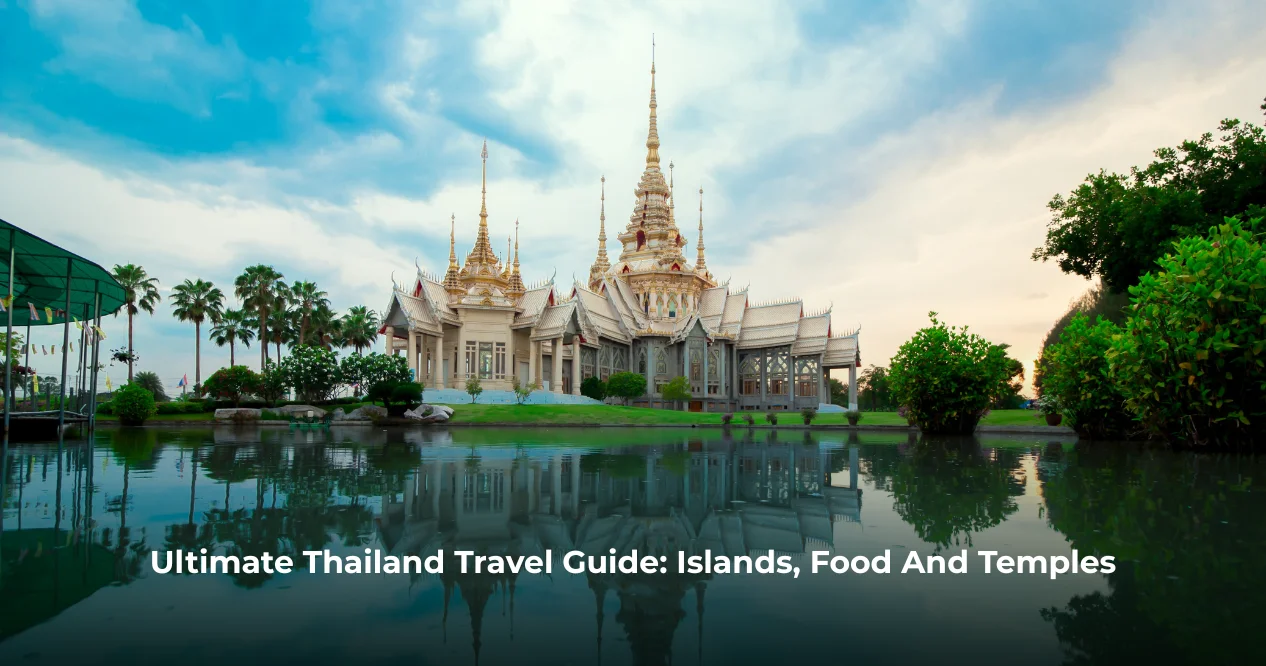
Thailand can turn one trip into five: neon-lit Bangkok nights, incense-filled temples, jungle-covered northern mountains, sizzling street-food feasts and islands where the sea seems almost impossibly blue. The trick is not trying to squeeze everything into one frantic itinerary. Pick a few regions, travel slowly and leave room for the unexpected.
Bangkok: Temples, Markets And After-Dark Energy
Bangkok is the ideal introduction to Thailand. Start early at the Grand Palace and Wat Phra Kaew, then visit nearby Wat Pho before crossing the Chao Phraya River to Wat Arun. Arriving around opening time generally means cooler weather and a calmer experience.
Beyond the headline sights, explore Bangkok from the water. Public boats along the Chao Phraya offer an inexpensive alternative view of the city, while smaller canal trips reveal traditional houses and quieter communities hidden behind the modern skyline.
Food deserves serious itinerary space. Try dishes such as pad kra pao, boat noodles, som tam and mango sticky rice, then explore Chinatown's Yaowarat Road for an energetic evening of snacking.
Travel Tip: Bangkok's heat can make midday sightseeing exhausting. Schedule outdoor temples and markets for morning or late afternoon, use rail and river transport where practical, and carry water. Temple visitors should wear clothing that covers shoulders and knees.
Chiang Mai And Northern Thailand: Mountains And Culture
Fly or take the train north and Thailand changes character. Chiang Mai mixes historic temples and markets with easy access to mountain scenery. Wander through the Old City, visit Wat Chedi Luang and climb or ride up to Wat Phra That Doi Suthep for sweeping views.
For a more local experience, time your visit around Chiang Mai's markets and join a northern Thai cooking class. Look for regional dishes such as khao soi, a rich curry noodle soup, and sai ua, a fragrant northern sausage.
Go Beyond Central Chiang Mai
Travellers with extra time can explore the Mae Kampong area, known for its forested mountain setting and village atmosphere. Hiking and carefully chosen community-based experiences offer an appealing contrast to Thailand's busy resort zones.
Travel Tip: Northern Thailand can experience significant smoke and haze during the agricultural burning season, commonly around February through April, although timing and severity vary each year. Check current air-quality readings before booking mountain-heavy plans.
Southern Thailand: Choose The Right Island
Thailand's south is not one single beach experience. Phuket provides extensive restaurants, nightlife and transport connections, while Krabi is a strong base for dramatic limestone scenery around Railay and nearby islands. Koh Lanta suits travellers seeking a slower pace and long beach days.
On the Gulf side, Koh Samui combines beaches with a broad choice of accommodation, while Koh Tao is particularly popular for diving and snorkelling. Your best island therefore depends as much on season and travel style as the prettiest photograph.
Sea kayaking, snorkelling, diving and longtail-boat trips can reveal limestone cliffs, reefs and quieter bays. Avoid touching coral, give marine wildlife plenty of space and choose operators that discourage feeding or handling animals.
Travel Tip: Thailand's Andaman and Gulf coasts can have different weather patterns. Ferry schedules and marine-park access may also change seasonally, so check local forecasts and transport information shortly before travelling rather than relying solely on a generic “best time to visit Thailand.”
Hidden Gems And Experiences Worth Slowing Down For
Give yourself permission to look beyond Thailand's biggest names. Ayutthaya, easily reached from Bangkok, rewards a full day among atmospheric ruins and historic temple complexes. Cycling can be a fun way to explore when temperatures are manageable.
For nature, Khao Sok National Park delivers a completely different Thailand. Think dense rainforest, towering limestone formations and the striking waters of Cheow Lan Lake. Guided walks and boat excursions are among the signature experiences.
Responsible wildlife experiences require extra care. Avoid attractions offering elephant riding, performances or forced close-contact encounters. Research facilities carefully and favour observation-focused experiences where animal welfare takes priority over tourist photographs.
Travel Tip: Build unscheduled time into your route. Thailand's memorable moments often happen between headline attractions: a neighbourhood market, a tiny noodle shop, an evening ferry ride or an extra morning on a beach you planned to leave.
Planning Your Thailand Adventure
For a first trip, around two weeks allows a satisfying combination such as Bangkok, Chiang Mai and one southern beach region without spending every other day in transit. With seven to ten days, concentrate on Bangkok plus either the north or the islands.
Thailand has tropical conditions, so lightweight breathable clothing, sun protection and rain protection are useful year-round. Bring modest clothing for temples and footwear that is easy to remove, as shoes are commonly taken off before entering certain religious spaces and homes.
Entry rules depend on nationality and can change, so verify current passport, visa and arrival requirements through official Thai government or embassy sources before departure. Likewise, check current health guidance, insurance coverage and regional weather conditions close to your travel dates.
Travel Tip: Resist overpacking your itinerary. Bangkok deserves several days, northern Thailand rewards slower exploration, and island transfers can consume more time than maps suggest.
Choose the Thailand that excites you most, whether that means temple mornings, mountain trails, fiery street food or barefoot island afternoons. Start with two or three regions, add breathing room, check current conditions and turn that daydream into an itinerary.
Frequently Asked Questions
How long should I spend in Thailand on my first trip?
Around two weeks works well for combining Bangkok, Chiang Mai and one southern beach region. For seven to ten days, focus on Bangkok plus either northern Thailand or the islands.
Which Thai island is best for first-time visitors?
It depends on your travel style. Phuket offers extensive facilities and nightlife, Krabi provides dramatic limestone landscapes, Koh Lanta is more relaxed, and Koh Tao is popular for diving.
What are the must-see attractions in Bangkok?
The Grand Palace, Wat Phra Kaew, Wat Pho and Wat Arun make an excellent classic route. Chao Phraya boat journeys and Chinatown add a different side of the capital.
What foods should I try in Thailand?
Start with pad kra pao, som tam, boat noodles and mango sticky rice. In northern Thailand, make time for khao soi and sai ua.
When should I be cautious about visiting northern Thailand?
Smoke and haze can affect the north during the agricultural burning season, commonly around February to April. Conditions vary, so monitor current air-quality information before travelling.
Should I visit Thailand's Andaman Coast or Gulf islands?
Choose according to your preferred islands, activities and travel dates. Weather patterns differ between the two coasts, making current local forecasts especially important.
Where can I experience nature beyond Thailand's beaches?
Khao Sok National Park is a standout choice for rainforest, limestone scenery, guided walks and boat trips on Cheow Lan Lake.
How can I travel more responsibly in Thailand?
Respect temple dress requirements, avoid touching coral or disturbing marine wildlife, reduce unnecessary waste and carefully research wildlife attractions before visiting them.